You brought home this fluffy little friend, and now you're thinking about the years ahead. How long do rabbits live indoors, really? The short, textbook answer is 8 to 12 years. But that number is almost meaningless on its own. I've kept rabbits for over a decade, and I've seen 5-year-olds fade from preventable issues and 14-year-olds still binkying around. The real answer isn't a single number—it's a checklist. Your rabbit's lifespan is a direct report card on the care you provide. Indoor living removes predators and extreme weather, but it introduces a whole new set of make-or-break factors: diet, mental health, and the subtle, silent killers like loneliness and boredom that many owners completely miss.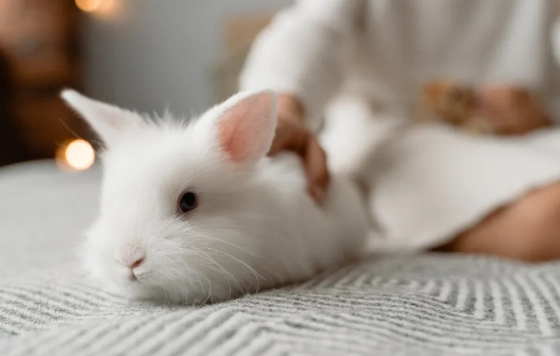
What's Inside This Guide?
The Average Indoor Rabbit Lifespan: Setting Realistic Expectations
Let's get the baseline out of the way. A well-cared-for indoor rabbit has a life expectancy of 8 to 12 years. Smaller breeds like Netherland Dwarfs often live toward the upper end of that range, sometimes beyond 12 years. Larger breeds like Flemish Giants may have a slightly shorter average, closer to 8-10 years. This is a stark contrast to wild rabbits, who are lucky to see 2-3 years due to predation, disease, and harsh conditions.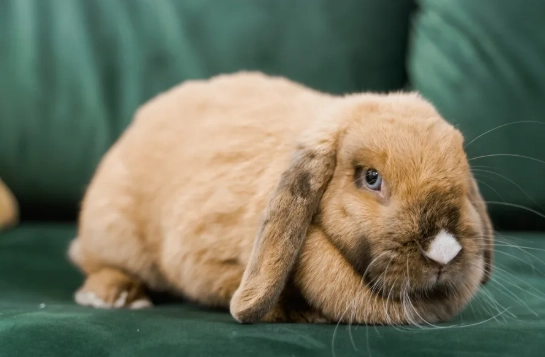
I remember speaking with a vet from the House Rabbit Society, who emphasized that the 8-12 year range assumes "optimal care." Most pet rabbits, they noted, don't receive it. The average might be pulled down to 5-8 years by common but avoidable issues: gastrointestinal stasis from poor diet, uterine cancer in unspayed females, or injuries from improper handling. So, aiming for that 10+ year mark means being intentional about every detail.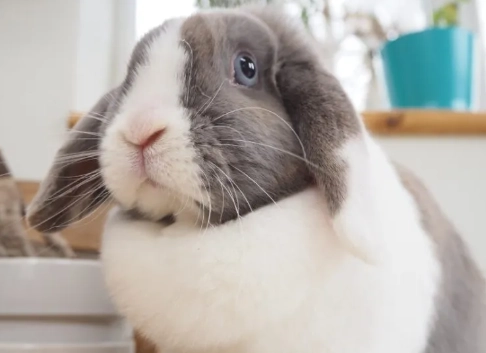
| Environment | Average Lifespan | Primary Influencing Factors |
|---|---|---|
| Wild Rabbit | 1-3 years | Predation, disease, starvation, weather |
| Generic Pet Rabbit (Mixed Care) | 5-8 years | Inconsistent diet, lack of vet care, limited space |
| Indoor Rabbit with Optimal Care | 8-12+ years | Precision diet, preventive vet care, enrichment, companionship |
The 7 Key Factors That Dictate Your Rabbit's Lifespan
Forget just counting years. Let's talk about building them. These are the pillars I've seen determine, without fail, which rabbits thrive into their teens and which don't.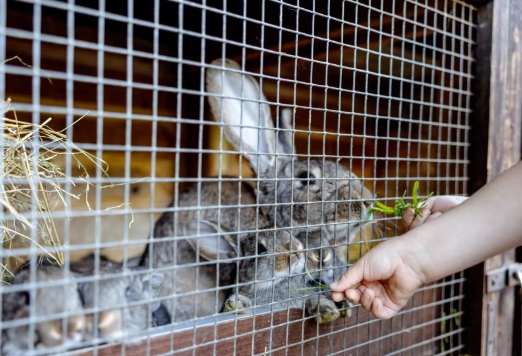
1. Diet: It's Not Just Pellets and Carrots
The biggest mistake? Treating rabbit food like dog food. A bowl of pellets is not a complete meal. The foundation—and I mean 80-90% of their diet—must be unlimited, high-quality grass hay (Timothy, Orchard, Meadow). Hay wears down their constantly growing teeth (preventing fatal dental abscesses) and keeps their gut moving (preventing stasis, a leading killer). Fresh leafy greens come daily. Pellets are just a vitamin supplement; a scant quarter cup for a standard-sized rabbit is plenty. Fruits and starchy veggies are rare treats. I've had to help friends through gut stasis emergencies, and every single time, the diet was hay-poor and pellet-heavy.
2. Housing: Cage is a Four-Letter Word
That cute pet store cage? It's a health hazard for anything longer than a few hours. Rabbits need space to run, jump, and stretch—vertically and horizontally. The House Rabbit Society and many veterinarians recommend a minimum enclosed area of at least 4'x4' for a single rabbit, but really, they should have free-roam time in a rabbit-proofed room for several hours daily. Lack of movement leads to obesity, muscle weakness, and osteoporosis. Their housing isn't just where they sleep; it's their gym and their territory.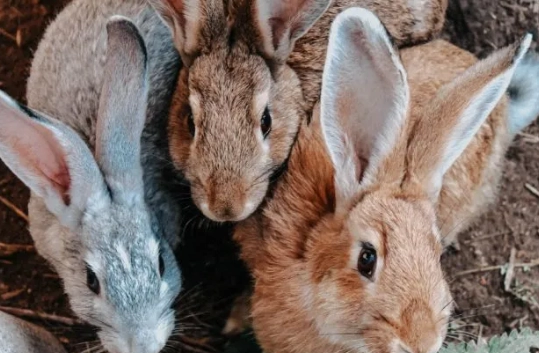
3. Veterinary Care: Exotic Means Specialized
Rabbits are "exotic" pets. Your standard dog-and-cat vet likely lacks the training for them. You need a rabbit-savvy vet. This is non-negotiable. Annual check-ups are crucial because rabbits hide illness (a prey animal instinct). These visits should include a thorough dental exam. More critical is spaying/neutering. For females, spaying virtually eliminates the risk of uterine cancer, which strikes over 60% by age 4. For males, it reduces aggression and spraying. This single surgery is arguably the biggest lifespan extender after diet.
4. Companionship: The Loneliness Factor
Here's the subtle killer most websites gloss over: rabbits are profoundly social. A lone rabbit is often a depressed rabbit, even if you spend hours with them. Depression suppresses the immune system. A bonded pair or trio provides constant grooming, cuddling, and social interaction that humans simply cannot replicate. I always recommend adopting a bonded pair from a rescue. Watching two rabbits groom each other is watching stress melt away. A less-stressed rabbit is a healthier rabbit.
5. Enrichment: Boredom is a Disease
A bored rabbit is a destructive rabbit, yes, but also an unhealthy one. Mental stagnation is real. Enrichment means digging boxes (with child-safe sand or shredded paper), cardboard castles to chew and rearrange, puzzle feeders, and training sessions (they can learn tricks!). It prevents obesity by encouraging activity and prevents the neurotic behaviors (like over-grooming) that can lead to physical problems.
6. Safety and Stress Management
Indoors has its own predators: electrical cords, toxic plants (lilies, philodendron), other pets, and loud noises. Rabbit-proofing is essential. But equally important is managing low-grade chronic stress. Constant loud TV, dogs barking at them, or being chased by young children creates a constant cortisol drip that wears down their system. They need a quiet, secure base.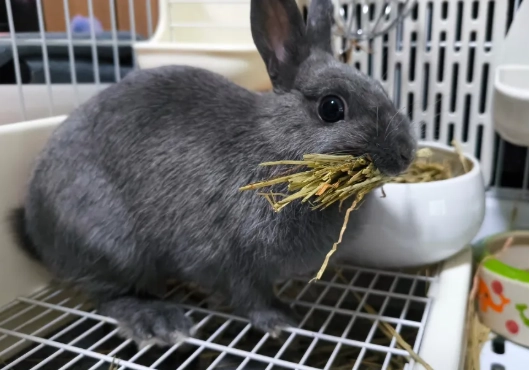
7. Genetics and Breed
We have less control here, but it matters. Purebred rabbits from irresponsible breeders can have congenital issues. Adopting from a rescue often gives you a healthier, mixed-breed rabbit. Some breeds are prone to specific issues (e.g., lop-eared rabbits to dental problems due to skull shape). Knowing your rabbit's potential vulnerabilities lets you be proactive.
How to Spot a Healthy, Happy Rabbit (Beyond Just Living Long)
Longevity isn't the only goal; quality of life is. A rabbit surviving to 12 but sitting listlessly in a corner is a failure. Here's what a truly thriving indoor rabbit looks like:
- The "Binky": That sudden, joyful leap and twist in the air. It's the ultimate sign of happiness. If you see regular binkies, you're doing it right.
- Curious and Interactive: They come to see you, nose boop you, investigate new (safe) items in their space.
- Consistent Eating and Pooping: A healthy gut produces uniform, round, fibrous droppings. Any change is your first red flag.
- Glossy Coat and Clear Eyes: Fur should be smooth, not matted or patchy. Eyes should be bright with no discharge.
- "Flopping": When a rabbit dramatically throws itself onto its side, it means they feel utterly safe. It's a high compliment.
Monitor these daily. They're more telling than any calendar.
Reader Comments