You see a wild rabbit hopping through your yard, looking a bit thin, maybe in the dead of winter when everything's frozen. Your first instinct is to help. What can you put out? A carrot from the fridge? Some lettuce? It seems simple, but getting it wrong can do more harm than good. I've watched and studied backyard rabbits for years, and the biggest mistake people make is treating them like pet bunnies. Their needs are different.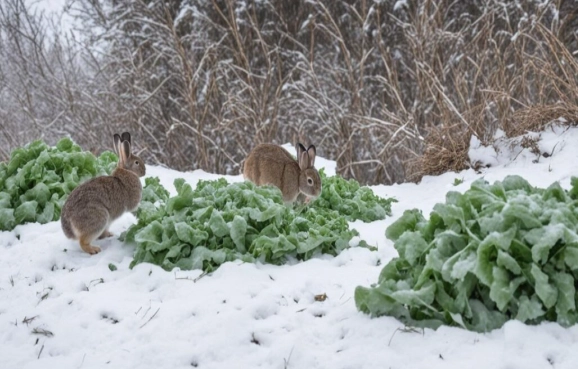
Quick Guide to Feeding Wild Rabbits
What Wild Rabbits Really Eat (It's Not Carrots)
Let's clear this up first. The cartoon image of a rabbit munching a carrot is misleading. A wild rabbit's primary diet is fiber, fiber, and more fiber. Think tough, fibrous plants that are low in sugar and high in roughage. Their digestive systems are finely tuned fermenters, designed to break down grasses, weeds, and bark.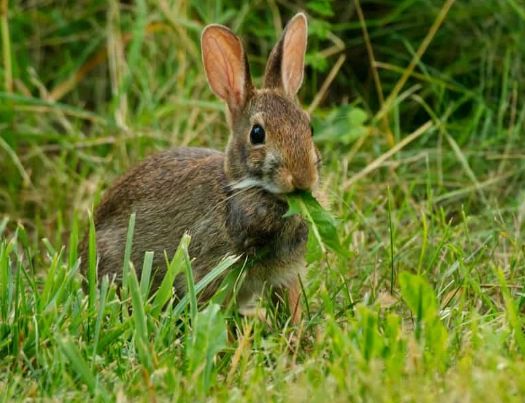
In spring and summer, they feast on a wide variety of grasses (timothy, brome, fescue), clover, dandelion greens and flowers, plantain, and other leafy weeds. Come fall and winter, they switch to woody materials: twigs, buds, the bark of young trees (which can be a nuisance for gardeners), and any remaining dried grasses. Their cecum, a special part of their gut, ferments this tough material to extract nutrients.
Key Insight: A sudden shift from this high-fiber, low-sugar diet to something rich and sugary (like fruit or carrots) can disrupt their delicate gut bacteria. This can lead to a condition called GI stasis, where their digestion slows or stops, which is often fatal. This is the #1 risk of improper feeding that most websites gloss over.
The Safe Foods List: What You Can Leave Out
If you decide to supplement their diet—especially in harsh weather—stick to foods that mimic their natural forage. The goal is to provide safe calories without shocking their system.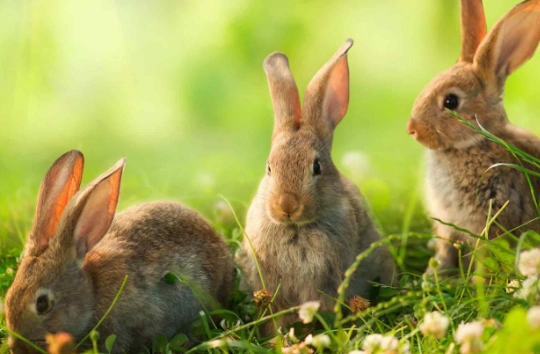
Top Picks for Backyard Feeding
These are the closest to their wild diet and the safest bets.
- Grass Hay: This is the gold standard. Timothy hay, orchard grass hay, or oat hay. You can buy a small bag from a pet store. Scatter a handful in a dry spot. It's perfect fiber and exactly what their guts expect.
- Leafy Green Weeds from Your Yard: If you don't use pesticides, dandelion greens (leaves and flowers), plantain leaves, and chickweed are fantastic. I often see them go for dandelions first when I put out a mix.
- Dark Leafy Lettuces: Romaine, green leaf, red leaf. Avoid iceberg lettuce. It's mostly water and has little nutritional value, and the lactucarium in it can be mildly harmful in quantity.
- Herbs: Small amounts of parsley, cilantro, basil, or mint. These are aromatic and often enjoyed.
- Vegetable Tops: Carrot tops (the greens) are excellent! It's the orange root we need to be careful with. Beet greens and radish tops are also good.
- Twigs and Branches: From safe, untreated trees like apple, willow, or ash. Provides essential chewing material for dental health and mimics winter foraging.
Foods to Offer Sparingly (Treats)
These are higher in sugar or starch. Think of them as a rare offering, not a staple.
- Carrots: The classic. A few thin slices or baby carrot pieces, not a whole carrot. Maybe once a week.
- Apples: A single slice, seeds removed (seeds contain trace cyanide).
- Berries: One or two blueberries, raspberries, or a strawberry fragment.
| Food Type | Examples | How Often | Notes |
|---|---|---|---|
| Staple Foods | Timothy Hay, Dandelion Greens, Romaine Lettuce | Daily (if feeding regularly) | Mimics natural diet, high in fiber, safe for constant foraging. |
| Occasional Greens | Parsley, Cilantro, Carrot Tops, Kale | Few times a week | Good variety, but rotate to prevent excess of any one compound (like oxalates in kale). |
| Rare Treats | Carrot slice, Apple slice, Blueberry | Once a week or less | High in sugar. Offer tiny amounts to avoid digestive upset. |
| Winter Support | Twigs (Apple, Willow), Rabbit Pellets (plain) | As needed in scarcity | Pellets should be plain, alfalfa-based (for energy), not a muesli mix. A tablespoon max. |
Foods to Absolutely Avoid: Common Kitchen Dangers
This list is critical. Many common human foods are toxic or severely disruptive to a wild rabbit.
- Human Processed Foods: Bread, crackers, cookies, cereal, pasta. These offer zero nutritional value, fill them up with empty carbs, and cause major digestive issues.
- Certain Vegetables: Onions, garlic, leeks, potatoes (especially green parts), rhubarb. These are toxic.
- Iceberg Lettuce & Cabbage: Iceberg has lactucarium. Cabbage can cause painful gas and bloating.
- Most Houseplants & Garden Plants: Many are poisonous. Assume any ornamental plant is unsafe unless you've verified it. This includes lilies, foxglove, ivy, and azaleas.
- Dairy Products & Meat: Rabbits are strict herbivores. Their bodies cannot process any animal protein or lactose.
- Nuts & Seeds: Too high in fat and protein, and a choking hazard.
- Chocolate & Candy: Obviously toxic, but worth stating.
Personal Observation: I once saw a neighbor regularly putting out stale bread for "the bunnies." Over a few weeks, I noticed the rabbits looked more lethargic and their coats seemed rougher. They stopped eating the diverse weeds in my yard and just waited for the bread. It created a dependency on junk food and displaced their natural, nutritious foraging. It's a subtle harm many don't see.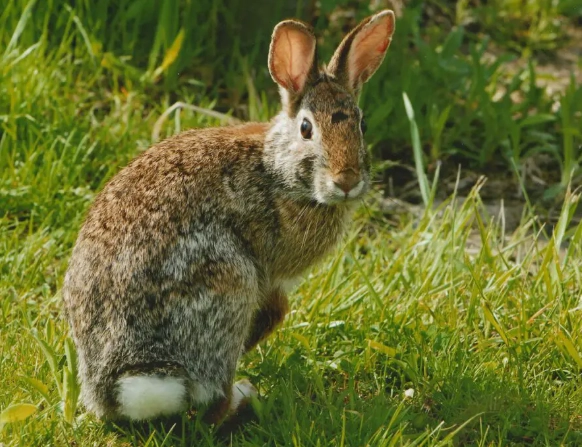
How to Feed Them Properly: Placement and Timing
It's not just what you feed, but how and when. Getting this wrong can attract predators or create unhealthy habits.
Best Practices for Placement
Place food near cover—close to bushes, a woodpile, or tall grass where the rabbit can quickly retreat. Don't put it in the wide open. Scatter leafy greens or hay loosely rather than in a pile, mimicking natural foraging. For water, a shallow, heavy ceramic dish (so it doesn't tip) is better than a deep bowl. Change water daily.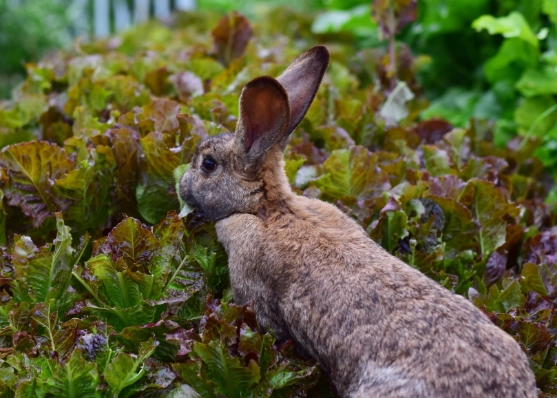
The Timing Question: To Feed or Not to Feed?
This is controversial. Many wildlife experts, like those at the Humane Society of the United States, advise against feeding wildlife to prevent dependency, disease spread, and attracting predators. I lean towards a middle ground: supplemental, not sustaining.
Don't make them reliant on you. If you have a harsh winter with deep snow and ice, putting out some hay and greens can be a genuine help for survival. In spring and summer, when natural food is abundant, there's little need. Your "feeding" can simply be cultivating a rabbit-friendly yard—letting a patch of clover and dandelions grow.
A Note on Water
Wild rabbits get most of their water from dew and juicy plants. In a drought or freeze, providing fresh water can be more critical than food. Use that shallow dish and keep it clean.
Your Wild Rabbit Feeding Questions Answered
Is it okay to feed wild rabbits carrots regularly?
No, it's not ideal. Carrots are high in sugar compared to a wild rabbit's natural diet. Regular feeding can predispose them to digestive problems and doesn't provide the necessary fiber. Think of a carrot slice as a rare candy, not a meal. If you want to help regularly, hay is infinitely better.
I found a baby wild rabbit alone. What should I feed it?
First, don't assume it's orphaned. Mother rabbits feed their kits only at dawn and dusk and stay away the rest of the time to avoid attracting predators. If the kit is cold, injured, or in immediate danger, contact a licensed wildlife rehabilitator immediately. Do not attempt to feed it cow's milk, formula, or vegetables. Their digestive systems are incredibly delicate, and improper feeding is a leading cause of death in hand-reared kits. The National Wildlife Rehabilitators Association can help you find a local expert.
Will feeding wild rabbits attract rats or other pests?
It can, especially if you leave out large amounts, sugary foods, or leave leftovers overnight. This is why the "less is more" and "daylight only" approach is key. Put out a small amount in the morning that will be gone by evening. Avoid grains, bread, and pellets with seeds (which rats love). Scattered hay is less attractive to rodents than a pile of pellets.
What's the single biggest mistake people make when trying to feed wild rabbits?
Projecting pet rabbit care onto wild ones. Buying a bag of colorful muesli-style rabbit mix from the store and dumping it out is a recipe for trouble. Wild rabbits will pick out the sweet, starchy bits (dried corn, peas, colorful pellets) and leave the healthy hay-based pieces, leading to a severe nutritional imbalance. They also lack the gut flora to process those dense carbohydrates efficiently. Stick to simple, single-ingredient foods like hay and dark greens.
Can I feed them rabbit pellets from the pet store?
In a pinch during severe winter conditions, a small tablespoon of plain, green, timothy-based pellets (not the kind with seeds, corn, or colorful bits) can provide concentrated calories. But pellets are a processed food, not a natural one. Hay should always be the primary offering. Alfalfa-based pellets are higher in protein and calcium and are better for growing kits or nursing mothers, but too rich for most adult wild rabbits long-term.
The bottom line is empathy with knowledge. Wanting to help a wild creature is a good impulse. The best help you can offer is understanding their biology and providing support that aligns with it, not what feels convenient from our human pantry. Sometimes, the most helpful thing is to do less—to let them be wild animals and simply ensure your yard has a few safe, edible plants and fresh water available. If you do put food out, make it hay. They'll thank you with a healthy visit.
Reader Comments