You see them hopping around at dawn or dusk—those wild rabbits with their twitching noses and fluffy tails. It's tempting to toss them a treat from your kitchen. I get it. I've spent years watching and, yes, occasionally supplementing the diet of the wild eastern cottontails in my own backyard, but only after doing a ton of research and learning from some hard lessons. The biggest mistake most people make isn't being cruel; it's being kind in the wrong way. Feeding a wild rabbit the wrong thing can do more harm than good, disrupting their sensitive digestive systems and making them dependent.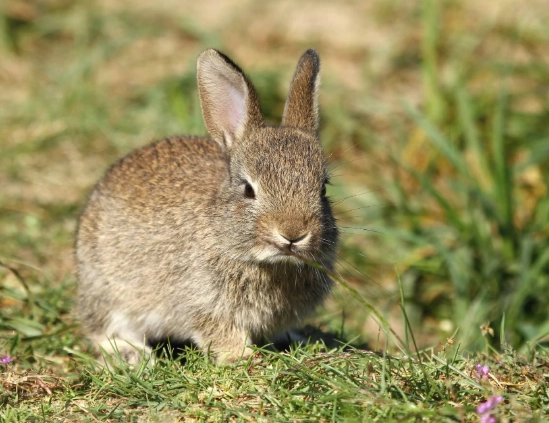
Quick Navigation
Why Feeding Wild Rabbits Requires Care
Let's be clear: wild rabbits are survival experts. Their primary diet consists of grasses, clover, wildflowers, and the bark and twigs of young trees in winter. Their digestive systems are finely tuned fermenting machines, designed to process high-fiber, low-sugar, and low-starch foods. Introducing rich, processed, or sugary human foods is like putting diesel in a gasoline engine—it will cause a breakdown.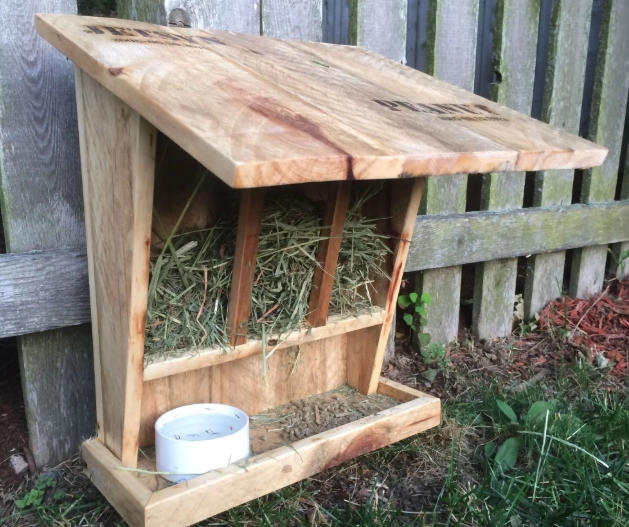
I learned this the hard way years ago. A neighbor thought she was being nice by putting out stale bread and crackers for "the bunnies." We soon noticed the rabbits looked lethargic and their droppings were abnormal. A local wildlife rehabilitator we contacted explained that the high starch and low fiber in the bread can cause a potentially fatal condition called GI stasis, where their gut bacteria get out of whack and their digestion grinds to a halt. That was a wake-up call.
Beyond health, there's the dependency issue. Regular feeding can cause rabbits to lose their natural foraging skills and congregate in high numbers, increasing the risk of disease transmission and attracting predators to your yard. The goal isn't to make them pets, but to offer a supplemental, safe snack that doesn't replace their natural foraging, especially during harsh seasons.
The Golden Rule of Feeding Wildlife: If you choose to feed, do so infrequently and with foods that mimic their natural diet as closely as possible. Your intervention should be minimal and non-disruptive.
A Simple Guide to What You Can (and Cannot) Feed
Think of their wild diet: fibrous, green, and simple. The best foods you can offer are fresh, plain, and pesticide-free. Here’s a breakdown I’ve compiled from veterinary and wildlife rehabilitation sources, like the House Rabbit Society and guidelines from state wildlife agencies.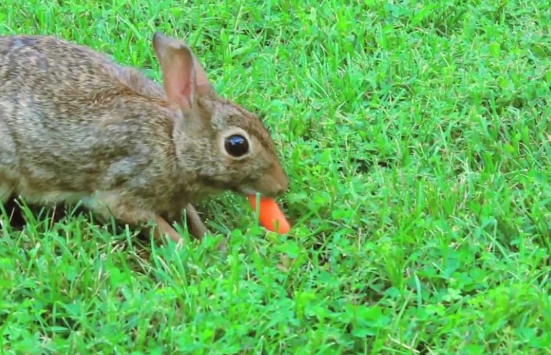
Safe & Recommended Foods (The Green List)
These are excellent choices that align with a wild rabbit's nutritional needs. Always wash thoroughly and serve fresh.
| Food Type | Specific Examples | Notes & Tips |
|---|---|---|
| Leafy Greens | Romaine lettuce, green leaf lettuce, kale, carrot tops, beet greens, cilantro, parsley, basil, mint. | Avoid iceberg lettuce. It’s mostly water and offers little nutrition. Romaine is a much better choice. |
| Garden Herbs | Dill, oregano, rosemary (in small amounts), thyme. | Herbs are potent. Offer small handfuls mixed with greens. |
| Vegetable Tops & Trimmings | Broccoli leaves, radish tops, celery leaves. | These are often parts we throw away but are rabbit gold. |
| Hay | Timothy hay, orchard grass hay. | This is the single best thing you can offer. It’s 80-90% of a healthy rabbit’s diet. A small pile in a dry spot is perfect. |
| Select Garden Veggies | Carrots (sparingly), bell pepper (seeds removed), zucchini. | Carrots are high in sugar. Think of them as a rare treat, not a staple. A couple of small slices are plenty. |
Dangerous & Toxic Foods (The Red List)
This list is critical. Many common human foods and plants are toxic or harmful to rabbits.
Never, ever feed wild rabbits: Bread, crackers, cookies, cereal, pasta, rice, chips, chocolate, candy, yogurt drops, avocado, onions, garlic, leeks, potatoes (raw or cooked), rhubarb, seeds or pits from fruits, meat, dairy products (milk, cheese), or any processed human food.
Also, be aware of toxic plants in your yard. Rabbits usually avoid these instinctively, but if food is scarce, they might sample them. Common toxic plants include foxglove, lily of the valley, rhubarb leaves, and some species of ivy.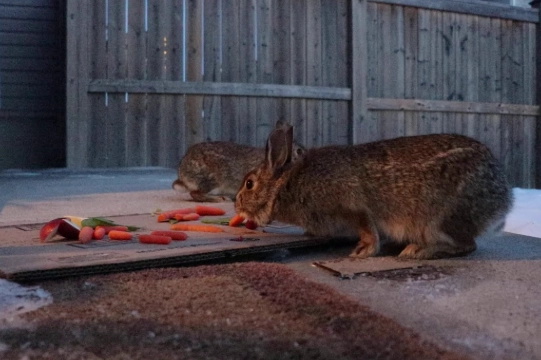
How to Feed Wild Rabbits Safely and Responsibly
It’s not just what you feed, but how and when. Here’s the method I’ve found works best to minimize disruption.
Timing is Everything: Rabbits are crepuscular—most active at dawn and dusk. Place food out in the late afternoon for evening foraging or very early in the morning. This reduces the chance of food sitting out all day, attracting insects or other unwanted animals.
Location, Location, Location: Don’t feed them on your porch or right by your back door. Choose a spot at the edge of your yard, near natural cover like bushes or a woodpile where they feel safe to eat and can quickly retreat. Scatter the food lightly over a small area rather than using a bowl. Bowls can concentrate waste and signal to predators that a rabbit will be in that exact spot.
The Right Amount: This isn't a buffet. A small handful of mixed greens and herbs per rabbit, plus an unlimited amount of hay, is more than sufficient. The idea is to supplement, not supply a full meal. Overfeeding leads to waste and dependency.
Water Source: In dry summer months or winter when water is frozen, providing a shallow dish of fresh water can be a lifesaver. Change it daily to prevent mosquito breeding.
When You Should Not Feed Wild Rabbits
Sometimes, the kindest action is inaction.
If you live in an area with a high density of predators (like foxes, coyotes, or free-roaming cats), feeding can draw rabbits into a dangerous zone. If your neighborhood uses pesticides or herbicides extensively on lawns, the rabbits may be ingesting poisoned greens; adding more food might not help.
Most importantly, do not feed if you see signs of illness—a rabbit that is out during the day, acting lethargic, not running away, or with visible wounds or discharge. Feeding a sick animal can worsen its condition and delay it seeking the varied diet it needs to recover. In this case, contact a licensed wildlife rehabilitator.
Your Wild Rabbit Feeding Questions Answered
Reader Comments