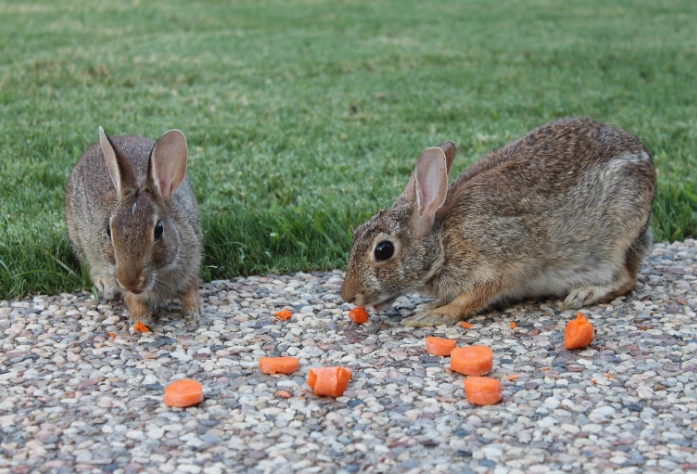
If you've ever watched a cottontail rabbit dart across your Florida lawn, you've probably wondered what it's munching on. Wild rabbits in Florida, primarily the Eastern cottontail (Sylvilagus floridanus), have a diet that's both straightforward and incredibly adaptable. It's not just about carrots—that's a myth I've seen debunked time and again. Their menu changes with the seasons, the habitat, and even human activity. Let's cut to the chase: in Florida, wild rabbits eat grasses, forbs, and browse, but the specifics matter if you're trying to protect your garden or just appreciate local wildlife.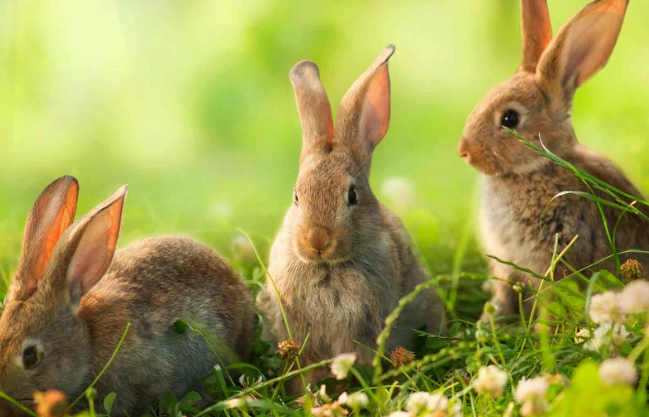
Jump to What Matters
The Natural Diet of Florida Rabbits
Wild rabbits are herbivores, and in Florida, their diet revolves around what's available in their environment. I've spent years observing rabbits in places like the Everglades and suburban Orlando, and their eating habits are more nuanced than most people think. They're not picky eaters, but they have preferences.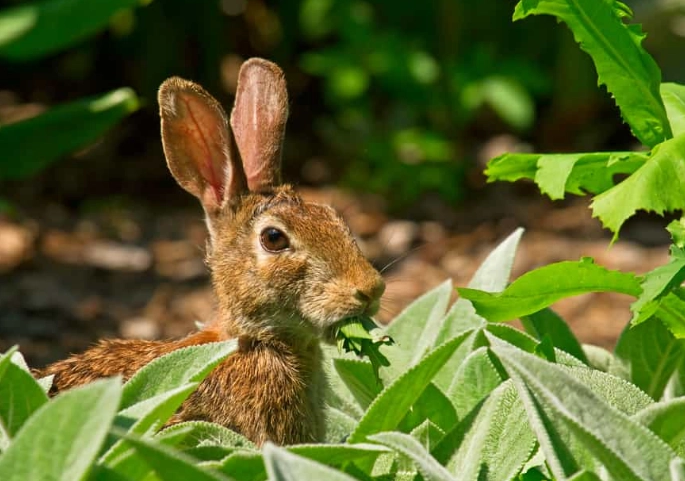
The core of their diet consists of three main categories:
- Grasses: This is the staple. Think bahiagrass, bermudagrass, and St. Augustine grass—common in Florida lawns. Rabbits graze on these, especially at dawn and dusk.
- Forbs: These are broad-leaved herbaceous plants. Clover, plantain, and dandelions are favorites. In my backyard in Tampa, I've noticed rabbits targeting these weeds over the grass.
- Browse: This includes twigs, buds, and bark from shrubs and young trees. During drier months, rabbits might nibble on wax myrtle or saw palmetto.
Here's a quick table to summarize the primary food sources:
| Food Type | Examples in Florida | When It's Eaten |
|---|---|---|
| Grasses | Bahiagrass, Bermudagrass | Year-round, especially in wet seasons |
| Forbs | Clover, Plantain, Dandelion | Spring and summer peaks |
| Browse | Wax Myrtle, Saw Palmetto | Fall and winter, or during droughts |
A common mistake is assuming rabbits only eat green stuff. They also consume their own cecotropes—soft feces rich in nutrients—to digest cellulose better. It's a weird but vital part of their nutrition, something many beginners overlook.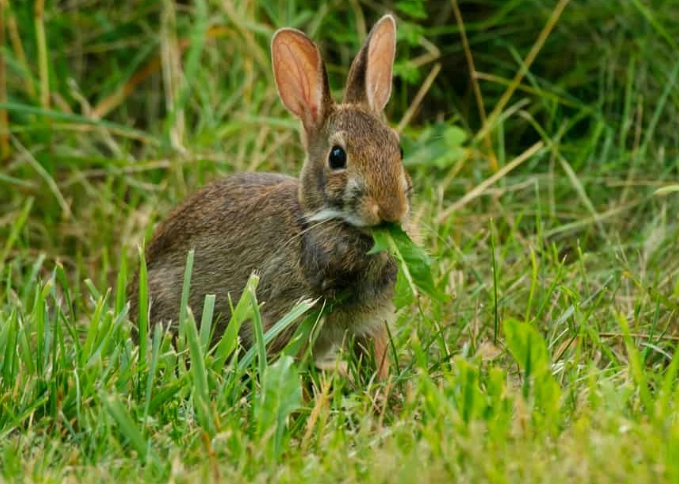
Why Grasses Dominate
Grasses are abundant in Florida's ecosystems, from pine flatwoods to urban parks. Rabbits rely on them because they're easy to find and provide fiber. But not all grasses are equal. I've seen rabbits avoid some invasive species, like cogongrass, which might be too tough or less nutritious. According to the University of Florida IFAS Extension, native grasses are preferred, but rabbits adapt quickly to introduced varieties in lawns.
How Seasons Change Their Menu
Florida's climate—with its wet summers and dry winters—shifts what rabbits eat. This isn't just academic; if you're a gardener, knowing this can save your plants.
In spring and summer, when rainfall is high, rabbits feast on lush grasses and forbs. I remember a summer in Gainesville where rabbits in my neighborhood cleared out patches of clover in days. They're breeding then, so they need more protein and energy.
Come fall and winter, as things dry out, they turn to browse. Twigs and bark become crucial. During a drought year, I've spotted rabbits gnawing on young citrus tree bark in rural areas, which can be a headache for farmers.
Here's the kicker: rabbits don't hibernate, so they're always foraging. In coastal regions like the Keys, the diet might include more salt-tolerant plants, but overall, the seasonal pattern holds.
A Case Study: The Ocala National Forest
Let's get specific. In the Ocala National Forest, rabbits have a diverse menu due to the mixed habitats. During a visit last fall, I noted they were eating:
- Wiregrass (a native grass) in open areas.
- Blackberry leaves and fruits when available.
- Pine seedlings in regenerating burns.
This adaptability is key to their survival. But it also means they can impact vegetation recovery after fires—a subtle point often missed in general guides.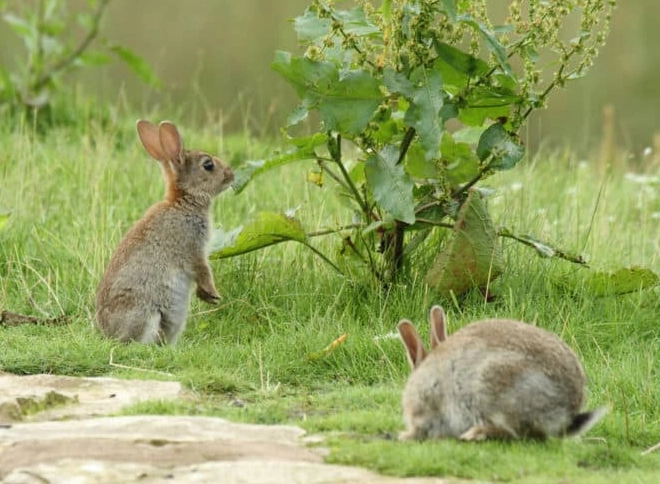
When Rabbits Meet Lawns and Gardens
Human activity changes the game. In suburbs, rabbits often supplement their diet with garden vegetables and ornamental plants. If you've ever found your lettuce nibbled, you know the pain.
But here's my take: blaming rabbits alone is shortsighted. Their natural food sources shrink with urban sprawl, so they're forced into our yards. In Florida, common garden targets include:
- Leafy greens like kale and spinach.
- Bean and pea seedlings.
- Flowers such as pansies and petunias.
To coexist, you need strategies. Fencing is obvious, but I've found that planting rabbit-resistant natives like lantana or firebush works better long-term. It's about creating a balance—supporting wildlife without sacrificing your garden.
Another aspect: feeding wild rabbits. I strongly advise against it. Processed foods or bread can harm their digestion. Instead, if you want to help, leave wild areas with native plants. The Florida Fish and Wildlife Conservation Commission recommends against feeding wildlife to prevent dependency and disease spread.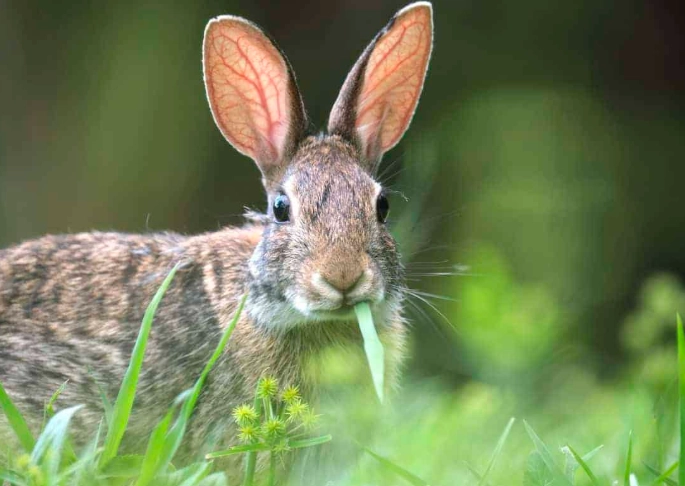
Practical Steps for a Rabbit-Friendly Yard
If you're into conservation, here's what I've done in my own yard:
- Set aside a corner with native grasses and forbs—let it grow wild.
- Use raised beds for vegetables, with mesh covers.
- Avoid pesticides that kill plants rabbits eat, pushing them toward your prized roses.
It's not perfect, but it reduces conflict. I've seen fewer rabbit raids since implementing this.
Understanding what wild rabbits eat in Florida goes beyond curiosity—it's about coexisting with nature. Their diet reflects the state's diverse ecosystems, from wetlands to suburbs. By respecting their needs and adapting our practices, we can enjoy these furry neighbors without conflict. Remember, they're not pests; they're part of Florida's wildlife tapestry. Next time you see a rabbit, you'll know exactly what's on its mind—or at least, on its plate.
Reader Comments