If you've ever watched a wild rabbit nibbling in your yard or a meadow, you might assume they're just eating "grass." It's a common picture, but it's incomplete. The truth about what wild rabbits eat and drink is far more nuanced, fascinating, and critical to their survival. Their diet is a finely-tuned adaptation to being a small, prey herbivore, and getting it wrong—even with good intentions—can cause serious harm. Let's move past the cartoons of rabbits and carrots and dive into the real menu of the wild.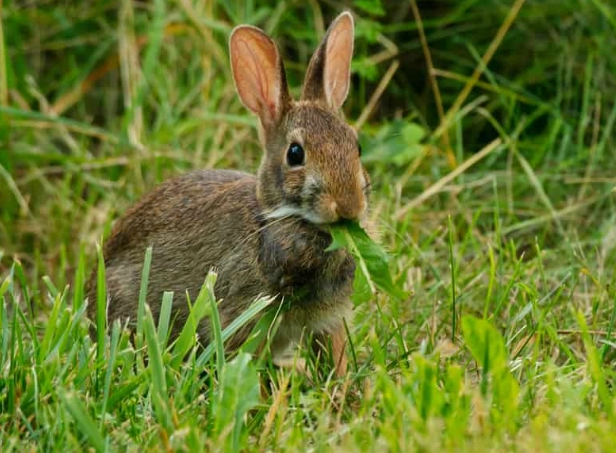
Quick Guide to This Article
Understanding the Wild Rabbit Diet: It's Not Just Grass
Wild rabbits are obligate herbivores. This means their digestive systems are specifically designed to process plant material, and they cannot derive nutrients from meat or most human foods. Their survival hinges on a high-fiber, low-sugar, and low-starch diet. The cornerstone of this is a process called hindgut fermentation.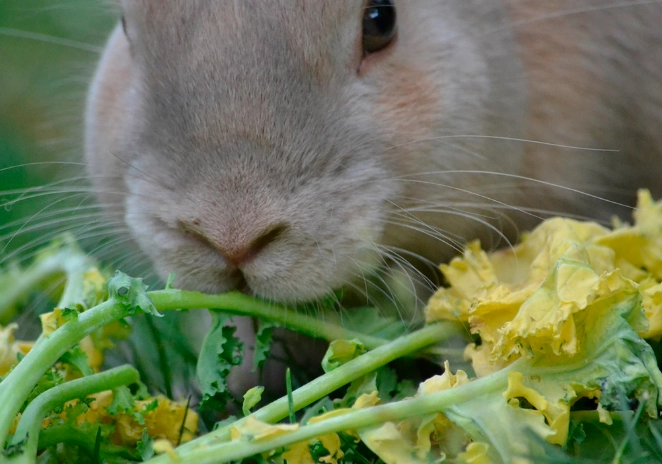
Here's the part most people don't know: rabbits produce two types of droppings. The hard, round pellets you see are waste. But they also produce special, nutrient-rich droppings called cecotropes (or "night feces"). Rabbits re-ingest these directly from their anus to absorb essential proteins, vitamins (like B vitamins), and fatty acids produced by the bacteria in their cecum, a part of their large intestine. This is a normal, vital behavior. If their diet is too rich in sugars or carbs (like bread or too many sweet vegetables), it disrupts this delicate bacterial balance, stopping cecotrope production and leading to malnutrition and digestive disease.
Key Insight: A wild rabbit's gut is a fermentation vat. The right high-fiber foods keep it churning healthily. The wrong foods cause a shutdown that can be fatal within days.
Essential Foods in a Wild Rabbit's Diet
Think of their diet in layers, from the most abundant staple to the critical fallback foods.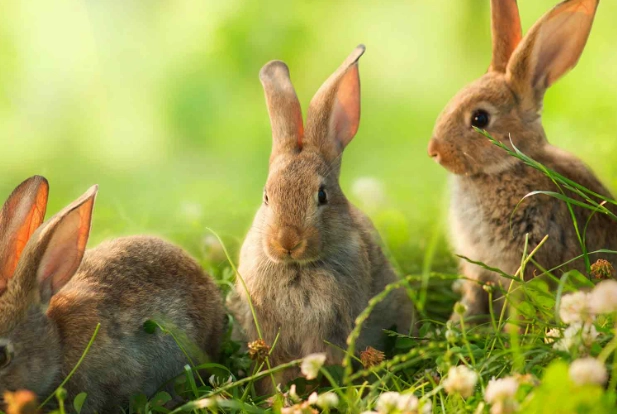
Grasses and Hay: The Foundation (80-90% of Diet)
This isn't just lawn grass. We're talking a variety of meadow grasses, timothy, brome, and oat grass. They eat the long, fibrous blades and stems, not just the tender tips. This roughage is non-negotiable. It wears down their constantly growing teeth and provides the fiber needed for gut motility. In winter, they rely on dried, standing grass (essentially natural hay).
Leafy Weeds and Herbs: The Nutrient Boost
This is where they get vitamins and minerals. Dandelion greens (a favorite), plantain, clover, chickweed, and sow thistle are foraged regularly. These are more nutrient-dense than grass alone. I've spent hours observing rabbits in a field; they'll move methodically from grass clumps to patches of dandelion, clearly seeking variety.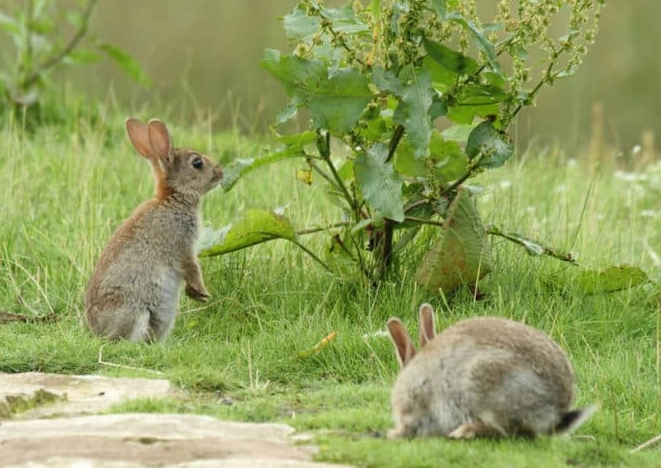
Bark, Twigs, and Buds: The Winter Lifeline
When everything else is buried under snow or dead, rabbits turn to woody vegetation. They'll strip the bark from young trees and shrubs like maple, apple, willow, and raspberry canes. They also nibble on buds. This is survival food—it's tough, not very nutritious, but it provides fiber and something to chew on. You can spot this activity by clean, angled cuts on low branches and saplings.
Garden Vegetables? A Rare Treat, Not a Staple
Yes, rabbits will raid gardens for lettuce, kale, or carrot tops. But in the true wild, these are not part of their natural, balanced diet. These vegetables are too high in water and, in some cases, sugars (like carrot roots) for regular consumption. A garden raid is like finding a fast-food joint—exploitable, but not healthy as a daily meal.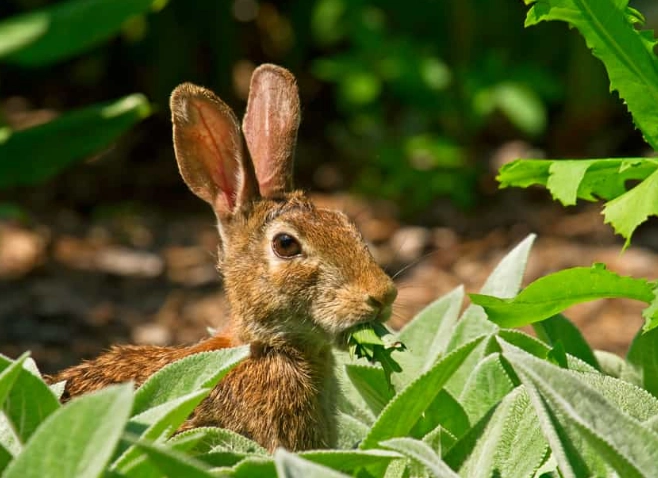
| Food Type | Primary Role | Examples | When It's Eaten |
|---|---|---|---|
| Grasses & Hay | Fiber source, dental wear, gut health | Timothy, meadow grass, brome, dried winter grass | Year-round, foundational |
| Leafy Weeds/Herbs | Vitamins, minerals, variety | Dandelion, clover, plantain, chickweed | Spring through Fall |
| Bark & Twigs | Survival fiber, chewing substrate | Apple, maple, willow, raspberry canes | Primarily Winter |
| Forbs & Flowers | Additional nutrients | Wildflowers, vegetable greens (in gardens) | Seasonally, opportunistically |
How Wild Rabbits Get Their Water (It's Not Just from Bowls)
This is a huge misconception. While wild rabbits will drink from puddles, streams, or dew, a significant portion of their water intake comes directly from their food. Fresh grasses, weeds, and leafy plants have a very high moisture content. This is one reason their diet shifts so much with the seasons—dry winter bark provides almost no water, so they must seek out other sources.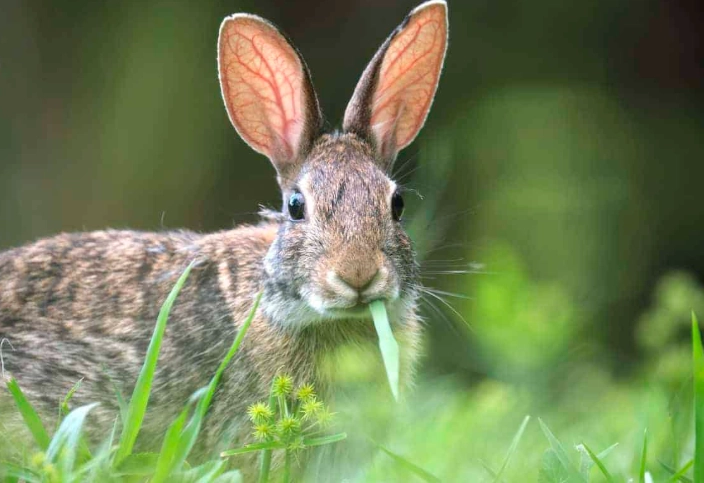
In winter, they may melt snow by eating it or seek out unfrozen seepage. Leaving out a bowl of water in freezing temperatures isn't helpful (it just freezes). The notion that they "don't need much water" is dangerous; they need just as much as any animal, they've just evolved to extract it efficiently from their food when standing water is scarce.
Seasonal Shifts in the Rabbit Menu
Their diet isn't static. It's a responsive, seasonal buffet.
- Spring & Summer: The feast time. Lush grasses, a huge variety of new weeds, clover, and herbaceous plants. This is when they build up reserves and raise young. Diet is diverse and high in moisture.
- Fall: They shift towards more fibrous, drying plants and begin to incorporate more bark and twigs as greenery fades. They also seek out seed heads and remaining hardy greens.
- Winter: The survival challenge. Diet is dominated by dried grasses, bark, buds, and any evergreen leaves they can find (like brambles). Nutritional quality is lowest, which is why winter mortality is high, especially for juveniles.
Common Mistakes and Why Feeding Wild Rabbits is Tricky
Most people's instinct to feed wild rabbits comes from a kind place. But it often goes wrong. Here’s the expert view on what most websites won't tell you clearly enough.
The Big One: Bread, Cereals, and Crackers. These are absolute poison to a rabbit's digestive system. They cause rapid, toxic bacterial overgrowth (enterotoxemia) and bloat. I've spoken with wildlife rehabilitators who say this is a leading cause of admission for "suddenly dead" baby rabbits people tried to feed.
Carrots and Fruit: The cartoon has done so much damage. Carrot roots are high in sugar and starch. Fruit is pure sugar. These are like candy to a rabbit—a tiny amount as a rare treat in a vast diet of hay is okay for a pet, but for a wild rabbit whose system isn't used to it, it causes digestive upset and imbalances.
Lettuce (especially iceberg): It's mostly water with little nutritional value and can contain lactucarium, which in excess can cause diarrhea and lethargy.
The most subtle, overlooked mistake? Feeding them at all in a way that makes them dependent. If you must provide food in a harsh winter, the only safe option is a pile of fresh, high-quality timothy hay. Not alfalfa (too rich), not pellets, just hay. Place it away from cover where predators might hide. But honestly, the best help is habitat: let a section of your yard grow wild with native grasses and weeds.
Your Questions Answered
Understanding what wild rabbits eat and drink pulls back the curtain on a remarkable survival strategy. It's a system built on fiber, fermentation, and seasonal adaptation. The next time you see one, you'll see more than a cute lawn visitor—you'll see a finely-tuned herbivore making complex choices to stay alive. The best way to appreciate them is to protect their habitat and let them follow their ancient, instinctual menu.
Reader Comments