You see those adorable photos online—a tiny, fluffy dwarf bunny nestled contentedly in someone's arms, looking like the perfect living stuffed animal. It's the dream, right? Then you bring your own little Netherland Dwarf or Holland Lop home, full of hope for endless cuddles, only to be met with a skittish creature that darts under the sofa at the slightest movement. So, what's the deal? Are dwarf bunnies cuddly?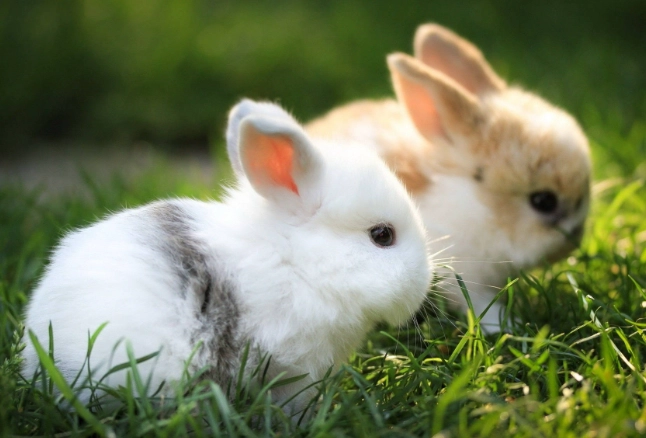
The short, honest answer is: they can be, immensely so, but not in the way a puppy is. Expecting instant, demand-free cuddles is the number one mistake new owners make. Rabbit affection is earned, not given, and it's a language you have to learn to speak. It's less about what you want and almost entirely about what makes your bunny feel safe and respected.
I've shared my home with rabbits for over a decade, and my first dwarf, a feisty little guy named Mochi, taught me this lesson the hard way. For months, I thought I'd adopted a tiny, furry ghost. The turning point didn't come from chasing him for pets; it came from me sitting silently on the floor, ignoring him, while he decided I was harmless. That's the rabbit way.
What’s Inside This Guide?
The Cuddle Factor: It's Complicated
Labeling any animal as universally "cuddly" is a trap. With dwarf bunnies, three major factors intertwine: biology, personality, and your own actions.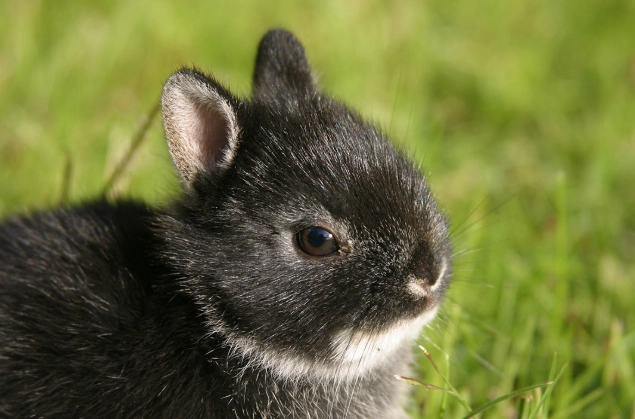
First, biology. Rabbits are prey animals. Their default setting is to be alert and ready to flee. Being picked up triggers a primal panic response—in the wild, that only happens when a predator grabs them. So, that initial resistance isn't a rejection of you; it's a hardwired survival instinct. The House Rabbit Society, a fantastic authority on rabbit care, constantly emphasizes this point: forcing interaction destroys trust.
Then there's personality. This is where it gets interesting. I've had dwarf bunnies who were velcro-bunnies, following me from room to room and nudging my hand for pets. I've also had ones who were more like elegant, independent roommates who tolerated my presence. Breed gives a hint (more on that later), but individual variation is huge. One of my friend's Netherland Dwarfs is a total lap-lover, while mine viewed sitting still as a form of torture.
Finally, your approach. This is the variable you control. A dwarf bunny in a cramped cage, let out only for "cuddle time," will likely be stressed and uninterested. A bunny with a spacious, enriching home base (an exercise pen or bunny-proofed room), a steady routine, and a calm human who speaks their language? That's a bunny poised to become affectionate.
How to Bond with Your Dwarf Bunny for More Cuddles
Forget Hollywood cuddles for now. Your goal is to build a partnership where your bunny chooses to be close to you. Here’s a roadmap that actually works, based on years of trial and error (mostly error at the start).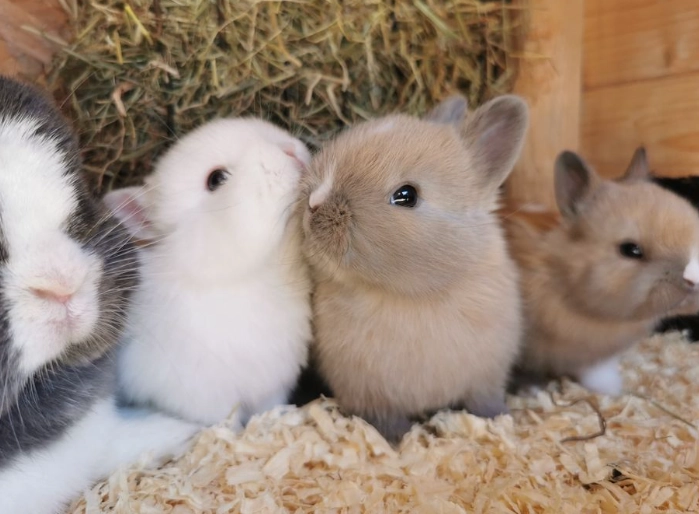
Start on the Floor. Literally. Spend at least 30 minutes a day sitting or lying quietly in your bunny's space. Read a book, scroll on your phone, ignore them. Let them approach, sniff, and investigate you on their terms. You are becoming part of the furniture, and to a prey animal, familiar furniture is safe.
Master the Petting Zones. Rabbits have specific spots they love being petted. The forehead, cheeks, and base of the ears are usually winners. The back and rump can be okay once they're relaxed. Most hate having their chin, feet, or belly touched initially. Let your bunny's body language guide you. If they grind their teeth softly (a purr), stretch out, or melt into the floor, you're golden. If they tense up, thump, or scoot away, stop.
Use Treats Strategically, Not as Bribes. Hand-feeding greens like cilantro or a fragment of a banana slice builds positive association. Don't lure them into being held. Instead, offer a treat while they're near you on the floor, letting them make the connection that your presence equals good things.
Understand Lap-Time vs. Cuddle-Time. True "cuddling" for a rabbit often looks like them flopping next to you or a few inches away while you pet them. Actively holding them in your lap for extended periods is a more advanced move. Start with just a minute or two of gentle holding after they are fully comfortable with you, always supporting their back feet so they feel secure.
The timeline? It can take weeks or even months. Mochi took about three months to willingly take a treat from my hand. By six months, he'd hop onto the couch to sit beside me. It was a victory that felt earned.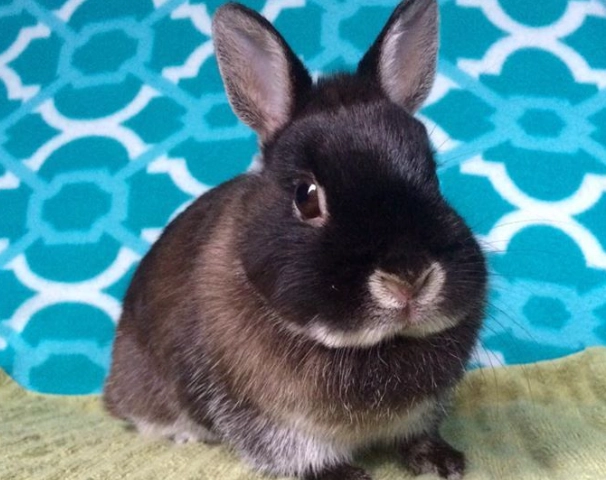
What NOT to Do When Seeking Cuddles
I see these mistakes all the time, and they set the bonding process back by miles.
- Chasing or cornering them. You are now a predator. Game over.
- Picking them up frequently or without support. Scoop from below, never grab from above. If they struggle, put them down immediately.
- Ignoring stress signals. Wide eyes, flattened ears, thumping, and scrambling to get away mean "stop."
- Expecting affection on your schedule. Rabbits have moods. Sometimes they're playful, sometimes they want to be left alone. Respect that.
- Keeping them isolated. A lonely rabbit is often a withdrawn rabbit. Consider adopting a bonded pair—they cuddle each other and are often more confident with people.
A Quick Guide to Dwarf Bunny Breeds and Their Cuddle Potential
While personality is king, breed tendencies offer clues. Remember, "more likely" doesn't mean "guaranteed."
Netherland Dwarf: The tiny, round-faced icon. Often bold and curious, but their high energy can mean they're too busy exploring to sit still. They can form very deep bonds but may express it by following you rather than prolonged petting sessions. Prone to a more "independent" streak.
Holland Lop: With their floppy ears, they look perpetually sweet. Generally known for a laid-back, friendly disposition. Many owners report Hollands being more inclined to enjoy relaxed petting and lap time once bonded. They often have a gentle, patient temperament that lends itself well to cuddling.
Mini Rex: Famous for their incredibly plush, velvety fur. They are often described as "dog-like" in their loyalty and enjoyment of interaction. Their calm and friendly nature makes them excellent candidates for becoming cuddly companions. Petting that luxurious fur is a joy for both human and bunny.
Dwarf Hotot: The "eyeliner" bunny. They can be a mix—sometimes shy, sometimes surprisingly outgoing and playful. Bonding can take patience, but they are known to be very affectionate with their chosen person once trust is established.
The best advice? Meet the individual bunny. A calm, curious bunny at the shelter who approaches the front of the enclosure is often a better bet for a cuddly future than a specific breed chosen solely on looks.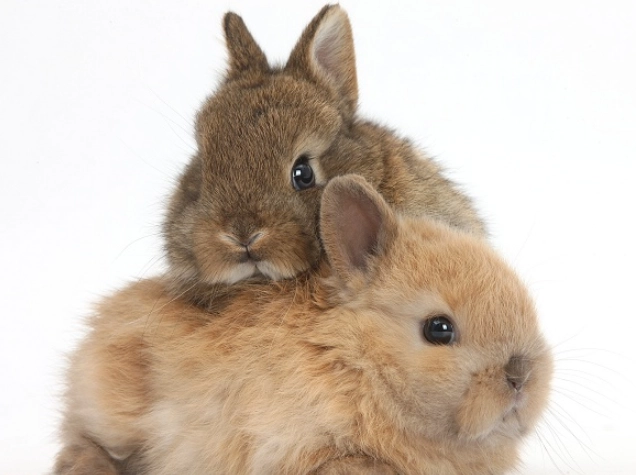
Your Dwarf Bunny Cuddle Questions Answered
So, are dwarf bunnies cuddly? The capacity is there, woven into their social nature. But unlocking it requires a shift in perspective. You're not getting a toy; you're building a relationship with a small, sensitive being with its own rules. Put in the time on their terms—the floor time, the patience, the quiet observation. The moment your dwarf bunny finally flops down beside you, eyes half-closed in contentment as you stroke its forehead, you'll have your answer. And it won't just be a cuddle; it'll be a testament of trust, earned the right way.
Reader Comments