Let's cut to the chase. You're looking at pictures of adorable Netherland Dwarfs or Holland Lops with their tiny ears and round faces, and you're wondering: could one of these furry friends fit into my life? The big question looming is always, are dwarf bunnies high maintenance? The short, honest answer is: they require a committed, specific kind of care that's more involved than many expect. They're not "set it and forget it" pets like a fish, but they're also not as constantly demanding as a high-energy puppy. Think of them as a thoughtful, engaging hobby that happens to be alive.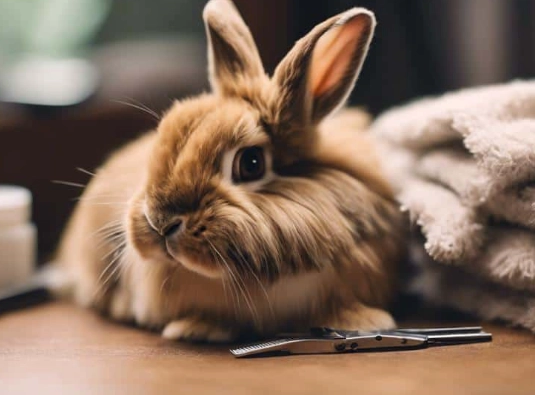
I've cared for rabbits for over a decade, and the biggest mistake I see is people treating them like low-interaction starter pets. That mindset leads to bored, unhealthy, and often rehomed bunnies. Their maintenance isn't necessarily back-breaking daily labor, but it's a consistent, non-negotiable framework of needs.
What You'll Find in This Guide
What "High Maintenance" Really Means for a Rabbit
When we say "maintenance," we're talking about four key pillars: time, money, knowledge, and space. Dwarf bunnies score medium to high on all of these compared to, say, a hamster or a guinea pig.
Time isn't just about feeding. It's daily social interaction (they get lonely and depressed), daily health checks (spotting issues early is critical), and daily environment tidying. You can't skip a weekend.
Money hits hardest at the start and during vet visits. A proper setup (large enclosure, pen, litter boxes, hideouts) can easily cost $300-$500 upfront. Then there's the exotic vet. A routine check-up might be $80-$120, but GI stasis treatment can soar past $500 overnight. The House Rabbit Society rightly emphasizes budgeting for vet care as a core responsibility.
Knowledge is where many falter. Their digestive systems are delicate. You need to know which vegetables are safe, why unlimited hay is non-negotiable, and how to spot subtle signs of pain or illness. Wrong information can be fatal.
Space is a huge misconception. "Dwarf" means small body, not small space needs. They are athletes. A tiny store-bought cage is animal cruelty, full stop. They need a large, multi-level enclosure or an x-pen area as a home base, plus several hours daily of supervised free-roaming in a rabbit-proofed room.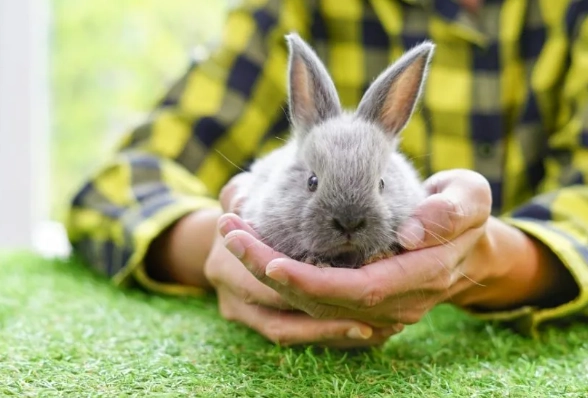
The Nitty-Gritty: A Daily & Weekly Care Breakdown
Let's get concrete. This is what caring for a healthy dwarf bunny actually looks like on your calendar.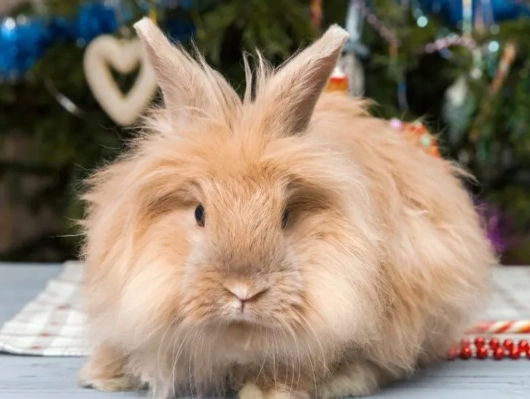
The Non-Negotiable Daily Tasks
- Fresh Food & Water: Unlimited timothy hay (refilled 1-2 times a day), a measured portion of pellets (about 1/4 cup for a dwarf), and a cup of fresh, varied greens (romaine, cilantro, kale). Water bowl cleaned and refilled.
- Litter Box Duty: Spot cleaning. Scoop out soiled litter (paper-based or wood pellets are best) and wet hay. This takes 2 minutes but must be done daily to control odor and encourage good habits.
- Health & Bonding Check: Spend 15-30 minutes just being with them. Pet them, offer a treat, but also feel their body for lumps, check their bottom for cleanliness, watch their eyes and nose for discharge, and ensure they're hopping normally.
- Supervised Exercise: At least 2-4 hours outside their enclosure. This isn't optional. It's for their physical and mental health. You need to be there to prevent chewing on baseboards or cables.
The Essential Weekly Chores
- Full Litter Box Change: Dump everything, scrub the box with white vinegar or pet-safe cleaner, dry, and refresh.
- Full Enclosure Clean: Replace all bedding, wipe down surfaces, wash any fabric liners or beds. This prevents ammonia buildup and lets you inspect the space.
- Grooming Session: Even short-haired dwarfs need a weekly brush to reduce shedding and hair ingestion. During molting seasons (spring/fall), this becomes a near-daily task. For long-haired dwarfs like Lionheads, daily brushing is mandatory to prevent deadly mats.
- Nail Trimming: Every 4-6 weeks. Their nails grow fast. This often requires two people for a wiggly bunny.
See the pattern? It's a rhythm. It's manageable, but it's relentless. If your lifestyle involves frequent 48-hour trips away, you must have a competent rabbit-savvy sitter. You can't just leave out extra food.
How to Make Dwarf Bunny Care Feel Less Demanding
Good news: you can design your setup and routine to minimize the hassle. Smart systems turn chores into quick habits.
Invest in the Right Setup. Buy the biggest litter box you can find (a cat-sized corner box is too small). Use a hay feeder that hangs over the litter box—rabbits love to eat and poop simultaneously. Get a heavy ceramic water bowl that won't tip. A large plastic mat under their pen makes sweeping up stray hay a 30-second job.
Bunny-Proof Ruthlessly. This is the biggest time-saver for exercise time. Use cord protectors, block off furniture gaps with NIC grids, and provide plenty of approved chew toys (applewood sticks, willow balls, cardboard castles). A bored bunny is a destructive bunny, and chasing them away from your laptop charger is exhausting.
Establish a Bond. This sounds fluffy, but it's practical. A bunny that trusts you is easier to handle for grooming, nail trims, and health checks. It makes the daily interaction a joy, not a chore. Sit on the floor with them. Let them come to you. Offer a bit of banana (sparingly!).
One personal trick: I keep all my rabbit supplies (hay, pellets, litter, treats, brush, nail clippers) in one dedicated storage bin. Everything is in one place. No searching. It streamlines the daily routine immensely.
Your Dwarf Bunny Questions, Honestly Answered
So, are dwarf bunnies high maintenance? They demand a specific, informed, and consistent commitment. Their needs aren't flexible. But when you understand and accept that framework, the daily rhythm becomes second nature. The reward is a fascinating, affectionate companion with a huge personality packed into a tiny body. The maintenance is the price of admission for a truly unique pet relationship. Just go in with your eyes wide open, your wallet prepared, and your heart ready for a lot of sweeping up hay.
Reader Comments