You've seen the photos – tiny, fluffy balls of cuteness that fit in a teacup. The promise of a "dwarf" rabbit is incredibly appealing, especially if you live in an apartment or just want a compact companion. But here's the reality check I wish someone had given me before I got my first Netherland Dwarf, Thumper: the word "dwarf" is relative in the rabbit world.
As a rabbit owner for over a decade and someone who's fostered dozens, I've seen the confusion firsthand. People bring home a "dwarf" kit, only to find themselves six months later with a robust, 4-pound rabbit wondering if they were misled. You weren't. You just weren't given the full picture.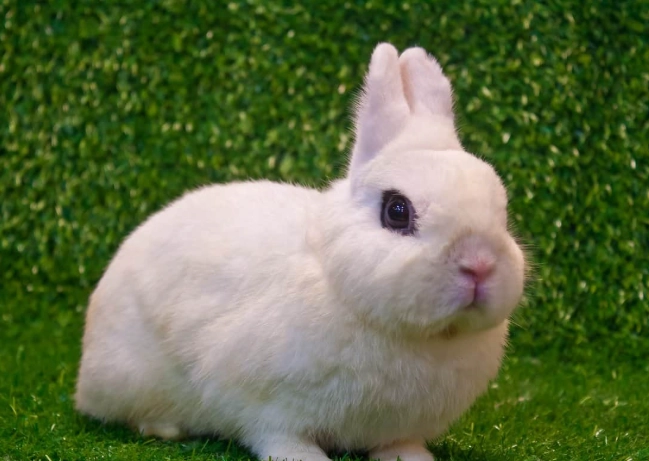
So, let's cut through the cute marketing. How big does a dwarf rabbit get? A true dwarf rabbit typically weighs between 2 and 4.5 pounds (0.9 to 2 kg) when fully grown, with a body length of 8 to 12 inches (20 to 30 cm). But that's just the average. Your rabbit's final size depends on a cocktail of genetics, breed, diet, and care. A poorly fed Netherland Dwarf might be petite, but an exceptionally well-bred, healthy Holland Lop can surprise you with its solid, cuddly heft.
The biggest mistake new owners make is assuming "dwarf" means "remains infant-sized." It doesn't. It means "smaller than standard rabbit breeds," which can still be a significant, lively pet requiring proper space and care.
What's Inside: Your Quick Guide
Dwarf Rabbit Breed Breakdown: From Netherland Dwarfs to Mini Lops
Not all dwarf rabbits are created equal. The term covers several distinct breeds, each with its own size range and build. Getting the breed right is your first step to setting realistic expectations.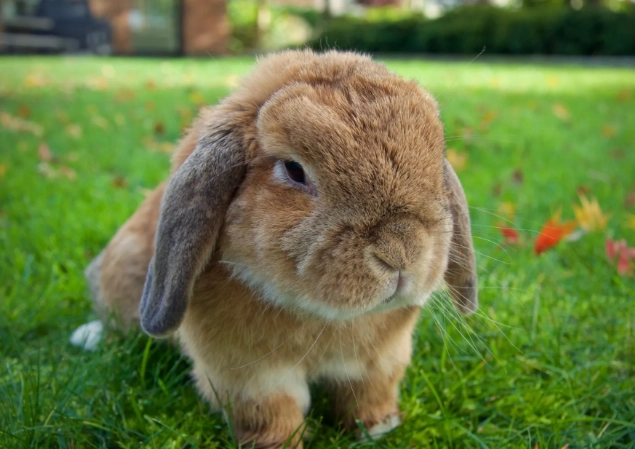
Here’s a straightforward comparison of the most common dwarf breeds you'll encounter:
| Breed | Average Adult Weight | Average Body Length | Key Physical Traits | Personality Notes |
|---|---|---|---|---|
| Netherland Dwarf | 1.1 - 2.5 lbs (500g - 1.1kg) | 7.5 - 9 inches (19-23 cm) | Compact, rounded body; short face; large eyes; tiny, erect ears. | Often spirited and energetic. Can be shy; early socialization is key. |
| Holland Lop | 2 - 4 lbs (0.9 - 1.8 kg) | 10 - 12 inches (25-30 cm) | Muscular, compact body; signature floppy ears; broad head. | Typically sweet-tempered, calm, and friendly. A very popular family pet. |
| Mini Rex | 3 - 4.5 lbs (1.4 - 2 kg) | 8.5 - 10.5 inches (22-27 cm) | Plush, velvety fur; well-rounded body; erect ears. | Curious, playful, and often enjoys being handled. The fur is a major draw. |
| Dwarf Hotot | 2.5 - 3.5 lbs (1.1 - 1.6 kg) | 8 - 10 inches (20-25 cm) | Pure white with distinctive black "eyeliner" rings; compact body. | Can be bold and inquisitive. Their striking appearance makes them stand out. |
| Britannia Petite | 1.5 - 2.5 lbs (0.7 - 1.1 kg) | 7 - 8.5 inches (18-22 cm) | Extremely fine-boned, arched body; alert, erect ears. | Very active and energetic. Not always recommended for first-time owners or young children. |
See the variation? A Holland Lop can be nearly twice the weight of a Britannia Petite. When someone asks me "how big do Netherland dwarf rabbits get?", I tell them they're the true featherweights of the group, but they pack a lot of personality into that small frame.
A subtle point most guides miss: within each breed, there's a show standard and a pet standard. Show-quality Netherland Dwarfs are bred to be extremely compact, sometimes under 2 lbs. Pet-quality rabbits from the same breed might have slightly longer ears or a less perfect profile, and can often be a bit heavier and sturdier – which, in my opinion, often makes for a hardier pet.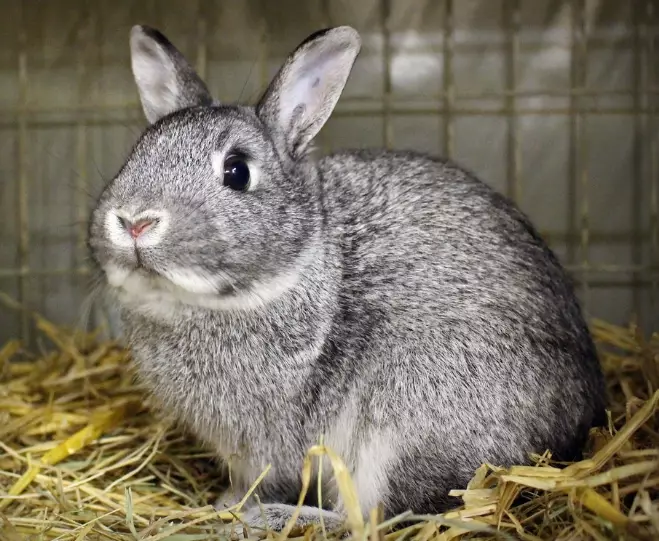
What Really Determines Your Rabbit's Final Size?
Genetics load the gun, but environment pulls the trigger. You can have two rabbits from the same litter end up different sizes based on how they're raised.
1. The Genetic Blueprint (The Biggest Factor)
The "dwarf" gene is what makes these breeds small. But it's not a simple on/off switch. Responsible breeders select for healthy, breed-standard size over generations. A rabbit from a breeder who prioritizes health and temperament over extreme tininess will likely be a more robust, longer-lived pet. Be wary of anyone advertising "teacup" or "micro" rabbits – these are not recognized breeds and often involve unethical breeding practices that can lead to health problems.
2. Diet: The Growth Fuel
This is where many owners unknowingly go wrong. A growing dwarf rabbit kit (under 7 months) needs unlimited alfalfa-based pellets and alfalfa hay for proper bone and muscle development. Restricting food during this stage can stunt growth. However, the switch is critical. After 7 months, you must transition to timothy hay or another grass hay and limit pellets to a measured amount based on weight. Overfeeding pellets in adulthood is the fastest way to an overweight dwarf rabbit, which people often mistake for "just being big-boned."
3. The Impact of Spaying/Neutering
This is rarely discussed. Getting your rabbit fixed does affect their metabolism and body composition. Neutered/spayed rabbits are prone to weight gain if their diet isn't adjusted. They often become less hyperactive and more food-motivated. After the surgery, you need to be even more vigilant about pellet portions and encourage exercise. Don't fall into the trap of thinking your calm, fixed rabbit needs fewer calories by default – they often need a more carefully managed diet.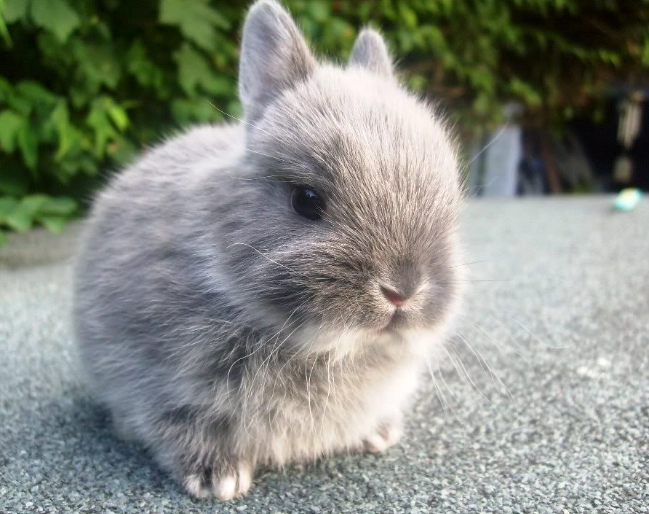
How to Measure and Monitor Your Rabbit's Healthy Size
Forget the scale for a second. Weight is a number, but body condition is what matters. A 3.5-pound rabbit can be obese, and a 3-pound rabbit can be perfectly fit.
Here’s how to do a hands-on check monthly:
The Rib Test: Run your hands along your rabbit's sides. You should be able to feel their ribs with a slight covering of fat, like the back of your hand. If you have to press hard to feel ribs, they're likely overweight. If the ribs feel sharp and prominent, they're underweight.
The Spine and Hips: Gently feel along the spine and over the hip bones. These should be palpable but not sharp or protruding. A noticeable dip along the spine or a ridge of fat over the hips are signs of excess weight.
The Dewlap (in females): A dewlap (the fold of skin under the chin) is normal in mature females. However, an excessively large, fatty dewlap can interfere with grooming and eating.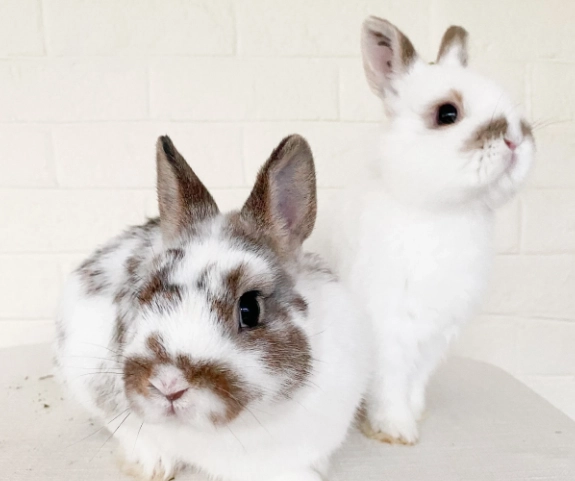
Cage, Pen, and Play Space: Planning for Their Actual Size
This is the practical consequence of understanding their size. The pet store cages marketed for "dwarf rabbits" are almost always too small. A rabbit's enclosure is their safe base, not their whole world.
Think in terms of movement. Even a small 2.5-pound Netherland Dwarf needs to take at least 3-4 full hops in any direction inside their enclosure. The House Rabbit Society recommends a minimum of 8 square feet of enclosed space, plus constant access to a larger exercise area of at least 24 square feet for several hours daily.
For a Holland Lop or Mini Rex, think bigger. I use a large dog exercise pen (at least 4ft x 4ft) as a base for my rabbits, attached to a larger, rabbit-proofed room. The rule of thumb: if your rabbit can't run, jump, and explore, their space is too small, regardless of their "dwarf" status.
Furniture matters too. Hideouts need to be big enough for them to turn around comfortably. Litter boxes should be roomy (many use cat-sized boxes). The idea that everything can be "mini" because the rabbit is "dwarf" is a setup for frustration—for both you and your pet.
Your Dwarf Rabbit Size Questions, Answered
My dwarf rabbit seems bigger than expected. Is this normal, or could it be mixed with a larger breed?
It's very common. First, compare your rabbit to the breed standards in the table above. Is it within the upper range? Many pet rabbits are. If your rabbit is significantly over (e.g., a Netherland Dwarf over 3 lbs), it's possible it's a mixed breed, sometimes sold as a "dwarf" due to small parents. The good news? Mixed breeds are often incredibly healthy and wonderful pets. The key is adjusting your care to the rabbit you have, not the label you were given. Focus on their body condition score, not just the number on the scale.
At what age is a dwarf rabbit fully grown?
Most dwarf rabbits reach their full skeletal size by 6-8 months old. However, they often continue to "fill out," gaining muscle and reaching their mature weight, until they are about 1 to 1.5 years old. This is why diet management from 7 months onward is so crucial—they're not growing taller, but they can easily grow wider.
Can I keep two dwarf rabbits in the same size enclosure as one?
No. This is a critical error in space planning. Two rabbits need significantly more room than one. You must at least double the minimum space requirements. They need separate hideouts (to avoid conflict), enough room to get away from each other, and ample space for simultaneous zoomies. A bonded pair is wonderful, but cramming them into a space meant for one rabbit will stress the bond and lead to behavioral issues. Think of it as a studio apartment vs. a one-bedroom.
What's the biggest health risk related to a dwarf rabbit's size?
Obesity, hands down. Their small frames aren't designed to carry extra weight. Obesity leads to a cascade of problems: sore hocks (ulcers on feet), arthritis, fatty liver disease, and makes grooming difficult (leading to flystrike risk). The second biggest risk is related to their compact skulls, particularly in breeds like the Netherland Dwarf. They can be prone to dental issues (malocclusion) because their teeth are the same size as a larger rabbit's but crammed into a smaller jaw. Regular vet check-ups that include a dental exam are non-negotiable.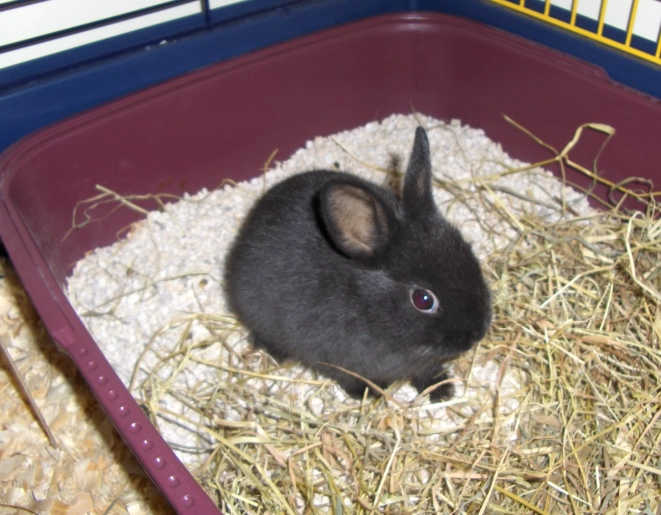
I live in a small apartment. Is a dwarf rabbit still a good pet?
Yes, but with a major caveat about vertical space. You don't need a sprawling house, but you do need to commit to rabbit-proofing a significant area. Get creative. Use vertical space with secure cat trees or shelves they can jump on. Use room dividers or pens to section off a safe, large play zone. The enclosure itself can be a large pen that takes up a chunk of your living area. It's about dedicating a percentage of your home's footprint to them, not the total square footage. If you can't commit to letting them have a meaningful run area daily, a dwarf rabbit isn't the right pet, no matter how small they are.
So, how big does a dwarf rabbit get? Big enough to need a proper home, a thoughtful diet, and a committed owner. Their size is part of their charm, but it's not a free pass for minimal care. When you understand and plan for their true adult size—from the sturdy Holland Lop to the diminutive Netherland Dwarf—you're setting the stage for a long, healthy, and hopping-good life together.
Look past the baby pictures. Plan for the wonderful, full-sized adult rabbit they will become. That's when the real companionship begins.
Reader Comments