That sleek, jet-black Netherland Dwarf rabbit staring back at you isn't just a ball of cute fluff—it's a complex little creature with specific needs and a personality that can range from sweetly shy to boldly mischievous. I've spent over a decade caring for rabbits, and the black Netherland Dwarf holds a special place. Their coat is like polished obsidian, but it's their character that truly shines... once you understand how to care for them properly. Most guides just list facts. Let's talk about what it's actually like to live with one, the mistakes I see new owners make constantly, and how to ensure your tiny black companion thrives.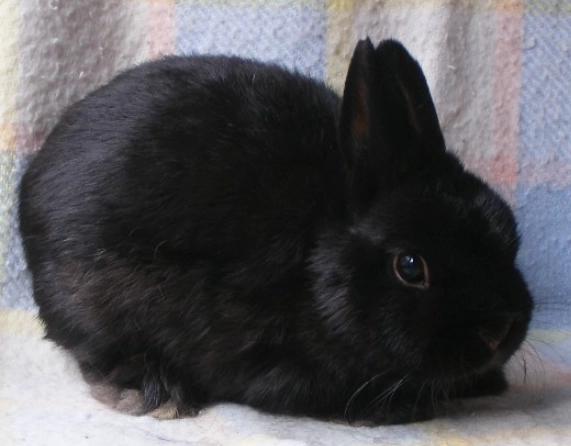
In This Article
What Exactly is a Netherland Dwarf Rabbit Black?
First, let's clear something up. "Netherland Dwarf rabbit black" isn't a separate breed. It's a color variant of the Netherland Dwarf, one of the most popular dwarf rabbit breeds in the world. The American Rabbit Breeders Association (ARBA) recognizes the black color as a standard variety. It should be a deep, uniform black from skin to tip, with dark brown eyes.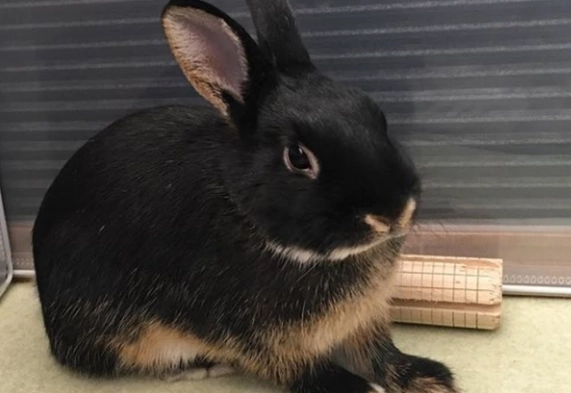
What makes them stand out, beyond the color, is their distinctive dwarf build. We're talking compact, rounded bodies, short little ears that stand straight up, and a broad head with a cute, flat face (though not as extreme as a "brachycephalic" breed like a Persian cat). An ideal weight is between 1.1 and 2.5 pounds. They're tiny.
I remember bringing home my first black Netherland Dwarf, Onyx. In certain lights, his fur had a subtle blue-ish sheen, which is completely normal for a dense black coat. It's a stunning effect you don't get with lighter colors.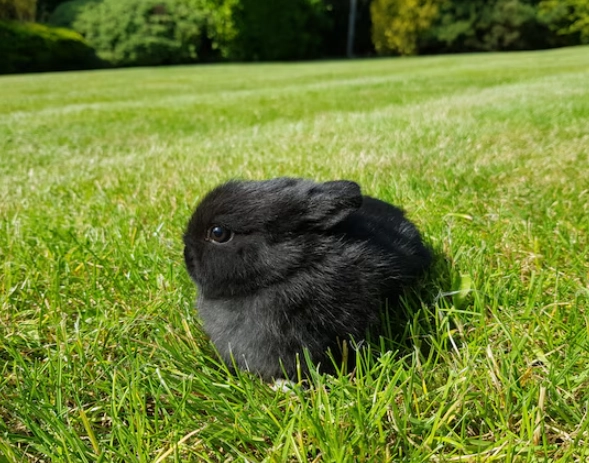
Black Netherland Dwarf Rabbit Care: A Detailed Guide
Caring for a black dwarf rabbit isn't fundamentally different from caring for any other Netherland Dwarf, but the color does highlight a few things. Shedding black fur on a light carpet is... noticeable. And keeping that coat glossy requires specific attention. Let's break down the essentials.
Diet & Nutrition: It's Not Just Pellets
The biggest mistake? Overfeeding pellets. These little guys have tiny stomachs and a propensity for weight gain. A diet heavy on pellets leads to obesity and neglects their need for fiber.
The foundation is unlimited, high-quality grass hay (Timothy, Orchard, Oat). This wears down their constantly growing teeth and keeps their gut moving. Pellets should be a strict supplement—about 1/8 to 1/4 cup of plain, alfalfa-free pellets per day for an adult. Fresh greens (romaine, cilantro, bok choy) are daily essentials. Treats like a tiny slice of apple or a blueberry are just that—treats.
| Food Type | Daily Amount (Adult Rabbit) | Purpose & Notes |
|---|---|---|
| Grass Hay | Unlimited, fresh supply | Essential for dental health, gut motility, and preventing boredom. 80% of diet. |
| Fresh Greens | 1-2 packed cups | Provides vitamins and moisture. Introduce new greens slowly. |
| Plain Pellets | 1/8 - 1/4 cup | Concentrated nutrition. Avoid mixes with seeds or colorful bits. |
| Fresh Water | Unlimited, changed daily | Use a heavy ceramic bowl. Bottles are often insufficient. |
How to Groom Your Black Netherland Dwarf Rabbit?
That black coat is gorgeous, but it shows every speck of dandruff and loose hair. Here’s the grooming routine that actually works, not just the generic advice.
During non-shedding seasons, a weekly brush with a soft slicker brush or a fine-toothed comb is enough to distribute oils and keep the coat shiny. The real work comes during molts, which can happen a few times a year. You'll see tufts of black fur everywhere. This is when you need a shedding tool like a "hairbuster" comb or a rubber grooming mitt.
My pro tip? Do grooming sessions on a dark-colored towel. It reduces stress (they're not sliding around) and you can see the lighter undercoat you're removing. Never bathe your rabbit. It's extremely stressful and can cause shock. For a dirty bottom, a "butt bath" (just cleaning the soiled area) with warm water is the safe approach.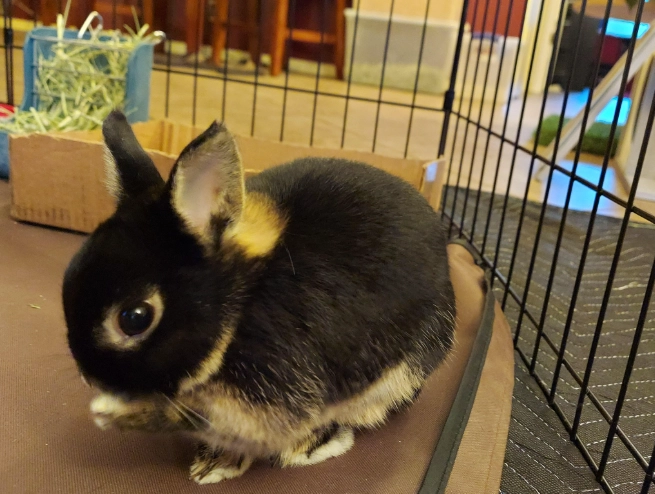
Housing & Environment
A small cage is a prison, not a home. Netherland Dwarfs are active. They need space to run, binky (that joyful jump-twist), and explore. An exercise pen (x-pen) or a thoroughly rabbit-proofed room is ideal. The base should be solid—wire floors hurt their sensitive feet. Provide a large hidey-house (they love to feel secure), a litter box (yes, they can be litter-trained), and plenty of hay-filled toys to chew.
Temperature matters. Their small size makes them susceptible to temperature extremes. Keep them indoors, away from direct sunlight and drafts, in a room between 60-75°F (15-24°C). That black coat absorbs heat, so be extra vigilant in summer.
Understanding the Black Netherland Dwarf Rabbit Personality
Don't believe the old myth that Netherland Dwarfs are always nervous or aggressive. That's often a result of poor breeding or a lack of proper, gentle socialization. A well-bred, socialized black Netherland Dwarf can be incredibly sweet and interactive.
However, they tend to have a more pronounced sense of self than some larger, more docile breeds. They can be sassy, curious, and stubborn. One of mine, Pepper, would deliberately nudge her food bowl if she felt dinner was late. It's a personality quirk, not malice.
The key is patience and letting them come to you. Sit on the floor with them during free-roam time. Offer a treat from your hand without grabbing. It might take weeks or even months for them to seek out pets, but that trust, once earned, is incredibly rewarding. They form deep bonds with their humans and can even get along with other gentle, spayed/neutered pets.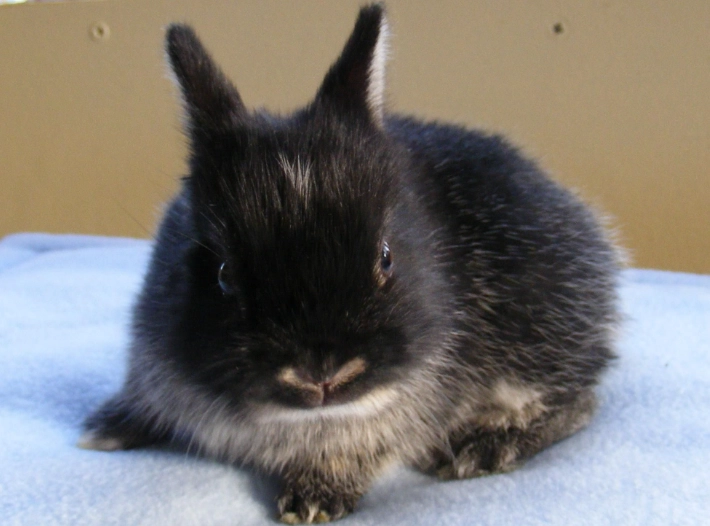
Common Health Issues in Black Netherland Dwarf Rabbits
Their compact anatomy makes them prone to certain conditions. Being proactive is everything.
Dental Problems: Their teeth grow continuously. A diet low in hay is the top cause of overgrown teeth, which can lead to painful abscesses and an inability to eat. You might notice drooling, weight loss, or dropping food. Annual vet check-ups should include a dental exam.
Gastrointestinal (GI) Stasis: This is the silent killer. A rabbit's gut must keep moving. Stress, pain, or a poor diet can cause it to slow down or stop. Symptoms include no fecal pellets, lethargy, and a hunched posture. This is a life-threatening emergency requiring immediate vet care. Prevention is a high-fiber diet, low stress, and plenty of exercise.
Respiratory Issues: Their short faces can make them slightly more susceptible to snuffles (pasteurellosis). Watch for sneezing, nasal discharge, or wet front paws from wiping the nose.
Find a vet who specializes in exotic pets or rabbits specifically before you have an emergency. A regular dog/cat vet often lacks the specific knowledge.
Is a Black Netherland Dwarf Rabbit Right for You?
They're not low-maintenance starter pets. They're a 8-12 year commitment to a fragile, intelligent animal. Ask yourself:
- Can I provide a large, safe space, not just a cage?
- Am I home enough to provide social interaction and monitor their health?
- Can I afford potential vet bills (exotic vets are more expensive)?
- Do I have the patience to build trust slowly, on their terms?
- Is my household quiet and calm? Young children and these tiny, easily startled rabbits are often a bad mix.
If you answered yes, you might be ready for the unique joy of a black Netherland Dwarf. Their compact size, striking appearance, and big personalities make them unforgettable companions.
Your Questions Answered
My black Netherland Dwarf rabbit is shedding everywhere. What’s the best brush to use?
For heavy shedding, skip the basic brushes. A tool like the "Hairbuster" comb or a fine-toothed flea comb (meant for cats) is far more effective at pulling out the loose undercoat. Use it gently in the direction of hair growth over a dark towel. For daily upkeep, a soft-bristled baby brush works well to keep that black coat smooth and shiny without irritating their skin.
Are black Netherland Dwarfs harder to photograph than other colors?
Honestly, yes, but it's a fun challenge. Their dark fur can absorb light, making details disappear. The trick is to use indirect, natural light. Avoid direct flash, which creates harsh reflections. A well-lit room near a window is perfect. Get down to their level and focus on their eyes—the contrast between the dark fur and their bright, dark eyes makes for stunning photos.
I've heard black rabbits are less adoptable. Does that affect their personality?
This is a sad phenomenon sometimes called "Black Rabbit Syndrome." Some shelters report that black animals are adopted less frequently. This has absolutely no basis in their personality or quality as a pet. It's a human bias. A black Netherland Dwarf from a responsible breeder or a shelter will have the same range of wonderful traits as any other color. Choosing a rabbit based on color over temperament is a mistake. Their personality is what you'll live with for a decade.
How do I find a reputable breeder for a healthy black Netherland Dwarf?
Avoid pet stores and online marketplaces where the source is unclear. Look for breeders who are members of the American Rabbit Breeders Association (ARBA). They should welcome questions, show you where the rabbits are kept (clean and spacious), ask you questions in return, and provide pedigree papers. A good breeder talks about genetic lines, health guarantees, and is focused on temperament, not just color. They'll also insist the rabbit is at least 8 weeks old before going home.
Comment