Let's talk about dwarf rabbit breeds. Those impossibly cute, pocket-sized bundles of fluff you see on social media. The idea of a tiny, low-maintenance companion is incredibly appealing, especially if you live in an apartment. I've raised rabbits for over a decade, and I can tell you—the reality of dwarf rabbit care is more nuanced, and frankly, more interesting, than those cute videos let on. They're not just "small rabbits." They're a unique category with specific genetics, personalities, and health considerations that every potential owner needs to understand before bringing one home.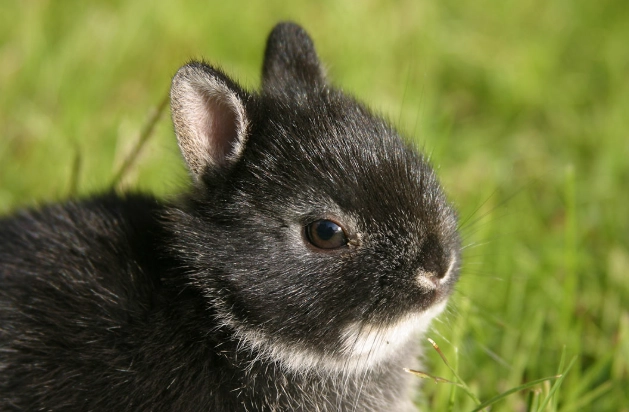
Your Quick Guide to Dwarf Rabbits
What Really Makes a Dwarf Rabbit Breed?
It's all in the genes. True dwarf rabbit breeds carry a specific dwarfing gene. This gene affects their overall size, but it also influences their distinctive body shape: compact, rounded bodies with short necks and heads that seem large in proportion to their bodies. The most recognizable feature? Their short, close-set ears.
Here's a crucial distinction many pet shops get wrong. A "small" rabbit is not automatically a "dwarf" breed. A young standard breed rabbit can be small. A true dwarf breed will have that specific, cobby build and stay under a certain weight threshold for its entire life, typically under 4 lbs (1.8 kg) for most breeds. The British Rabbit Council and the American Rabbit Breeders Association have strict standards defining these breeds.
Meet the Breeds: A Side-by-Side Look
Not all dwarf rabbits are the same. Their personalities can vary as much as a Chihuahua's from a Bulldog's. Here’s a breakdown of the most popular dwarf rabbit breeds you're likely to encounter.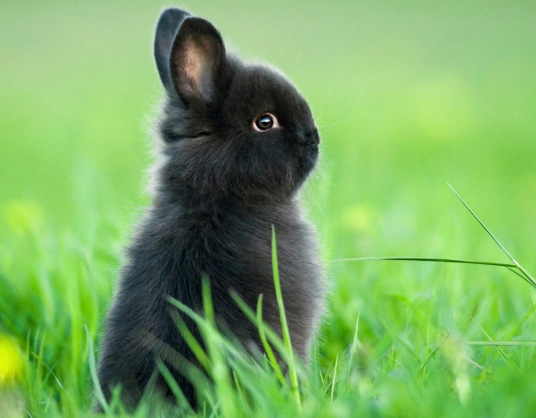
| Breed | Average Weight | Key Personality Traits | Best For... | Considerations |
|---|---|---|---|---|
| Netherland Dwarf | 1.1 - 2.5 lbs (0.5 - 1.13 kg) | Often energetic, curious, can be timid or feisty. Not always a "lap rabbit." | Experienced owners who enjoy a lively, interactive pet. | Early, gentle socialization is critical. Can be skittish. |
| Holland Lop | 2 - 4 lbs (0.9 - 1.8 kg) | Typically laid-back, sweet-natured, and playful. Known for being affectionate. | First-time rabbit owners, families with gentle children. | Those floppy ears need regular checks for wax buildup. |
| Mini Lop (U.K.) / Miniature Lop (U.S.) | 3 - 4.5 lbs (1.4 - 2 kg)* | Docile, friendly, and often very tolerant. A calm companion. | Owners seeking a calm, cuddly dwarf breed. | Slightly larger than other dwarfs. Prone to weight gain. |
| Dwarf Hotot | 2.5 - 3.5 lbs (1.1 - 1.6 kg) | Can be bold and playful, with a curious streak. Known for their "eyeliner" markings. | Someone who wants a visually striking and engaging pet. | Their white coats require diligent cleaning to stay bright. |
| Britannia Petite | 1.5 - 2.5 lbs (0.7 - 1.1 kg) | Alert, active, and athletic. Can be more independent. | Very experienced owners who appreciate a spirited rabbit. | One of the most active and high-energy dwarf breeds. |
*Note: Weight standards differ slightly between U.K. and U.S. breed clubs.
I've found Holland Lops to be the most consistently easygoing, which is why they're often recommended for beginners. But I've also met Netherland Dwarfs that were absolute lovebugs—it depends heavily on breeding and early life handling.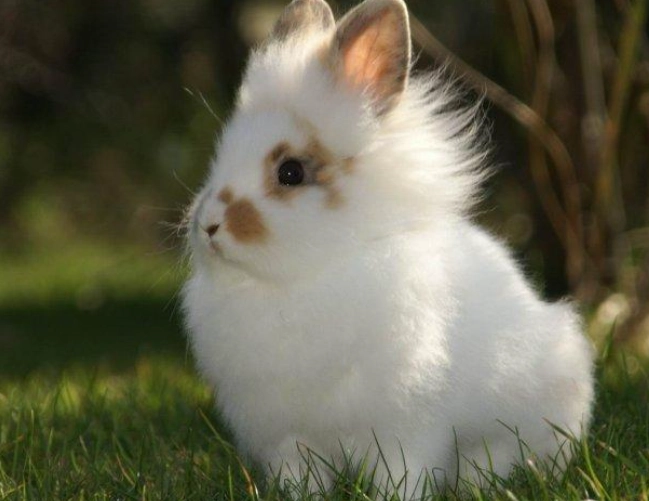
The 3 Biggest Mistakes New Dwarf Rabbit Owners Make
After years in rabbit rescue communities, I see the same issues crop up. Avoiding these will set you and your bunny up for success.
1. The "Small Cage" Fallacy
Because they're small, people think a tiny cage is fine. It's the opposite. Dwarf rabbits are often bundles of energy. They need space to run, hop, and explore. A minimum enclosure size is 4ft x 2ft, but bigger is always better. They should only be confined to a cage for sleeping or when unsupervised; otherwise, they need several hours of free-roam or exercise pen time daily.
2. Overfeeding Pellets, Underfeeding Hay
It's easy to pour a little bowl of pellets and think you're done. The foundation of a dwarf rabbit's diet must be unlimited, high-quality grass hay (Timothy, Orchard, Meadow). Hay wears down their constantly growing teeth and keeps their gut moving. Pellets are just a supplement—for an adult dwarf, about 1/8 to 1/4 cup per day max. Overfeeding pellets leads to obesity and dental disease.
3. Assuming They're Low-Maintenance
Their size is deceptive. They require the same level of commitment as a cat: daily feeding and social interaction, litter training, weekly grooming (especially for wool breeds like Jersey Wooly dwarfs), regular nail trims, and annual vet check-ups with a rabbit-savvy veterinarian. This is not a "set it and forget it" pet.
Setting Up the Perfect Dwarf Rabbit Home
Let's get practical. Here's what you actually need to buy or prepare.
The Enclosure: Skip the pet store "starter kits." Use a large dog exercise pen (x-pen) or a custom-built NIC (Neat Idea Cube) grid enclosure. This gives them vertical space to stand up and horizontal space to move. Line it with a washable fleece blanket or vet bedding over a waterproof layer.
Litter Box: A medium-sized cat litter box works well. Fill it with a layer of paper-based or aspen wood pellet litter (never clumping cat litter or pine/cedar shavings). Put their hay rack directly over the box—rabbits like to munch and poop at the same time.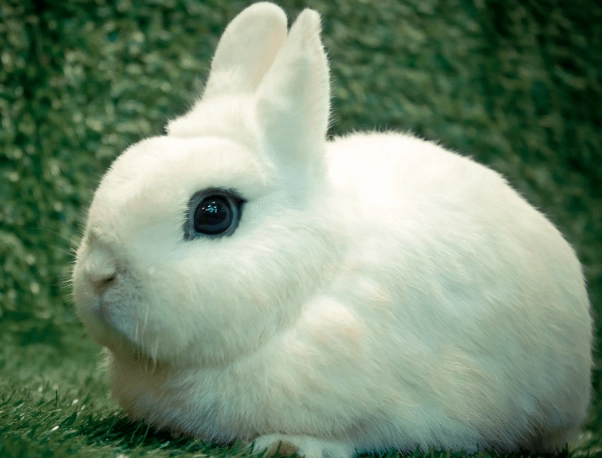
Essentials Checklist:
- Heavy ceramic food and water bowls (tip-proof).
- A sturdy hay rack stuffed with fresh hay.
- Hidey house (a cardboard box with two exits works perfectly).
- Chew toys: applewood sticks, willow balls, untreated wicker.
- Digging box: a shallow tray filled with shredded paper or child-safe sand.
Dwarf Rabbit Health: What to Watch For
Dwarf breeds are prone to specific issues. Being proactive is everything.
Dental Problems: This is the big one. Their compact skulls can lead to malocclusion—misaligned teeth that don't wear down properly. Signs include drooling, dropping food, weight loss, and a wet chin. They need unlimited hay to grind teeth down and yearly dental checks.
Gastrointestinal Stasis (GI Stasis): A silent killer. When a rabbit's delicate gut slows or stops. Signs are no fecal pellets, lethargy, and a hunched posture. This is an emergency requiring immediate vet care. Prevention is key: high-fiber diet (hay!), plenty of water, and regular exercise.
Respiratory Issues: Their small nasal passages can make them susceptible to snuffles (pasteurellosis). Watch for sneezing, nasal discharge, and crusty front paws from wiping their nose.
Find a vet before you get the rabbit. Not all vets see "exotics." The House Rabbit Society has a vet listing, or ask local rabbit rescues for recommendations.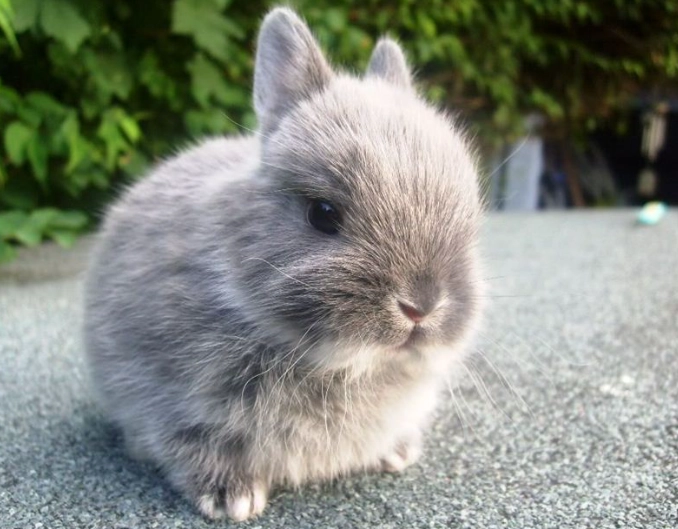
Finding Your Perfect Dwarf Match
Please, avoid pet stores. Their rabbits often come from mass-breeding mills and may have undisclosed health or behavioral issues. You have two fantastic, ethical options:
Reputable Breeders: A good breeder focuses on health and temperament, not just color. They will welcome questions, let you see the living conditions, ask about your home, and provide a pedigree and health history. They socialize their kits from birth.
Rabbit Rescues & Shelters: My personal favorite option. So many wonderful dwarf and dwarf-mix rabbits end up in shelters through no fault of their own. The huge advantage? Their personality is already known. Rescues often have them spayed/neutered and started on litter training. You're giving a second chance.
Visit, interact with a few rabbits. See which one chooses you. Sometimes the quiet one in the corner is just waiting for a calm home.
Reader Comments