Let's cut to the chase: dwarf rabbits aren't all tiny fluff balls that stay palm-sized forever. Most range from 20 to 35 centimeters in body length, but I've seen some hit 40 cm if you're not careful about breed or diet. If you're planning to get one or already have a bunny, knowing the exact size in centimeters isn't just trivia—it's crucial for picking the right cage, avoiding health issues, and keeping your pet happy. I've kept dwarf rabbits for over a decade, and trust me, getting the size wrong leads to messy problems.
Jump to What Matters
Breed-Specific Sizes in Centimeters
Not all dwarf rabbits are created equal. The term "dwarf" covers several breeds, and their sizes vary more than you'd think. Here's a breakdown based on data from the American Rabbit Breeders Association (ARBA) and my own measurements over the years.
Netherland Dwarf: The Classic Small One
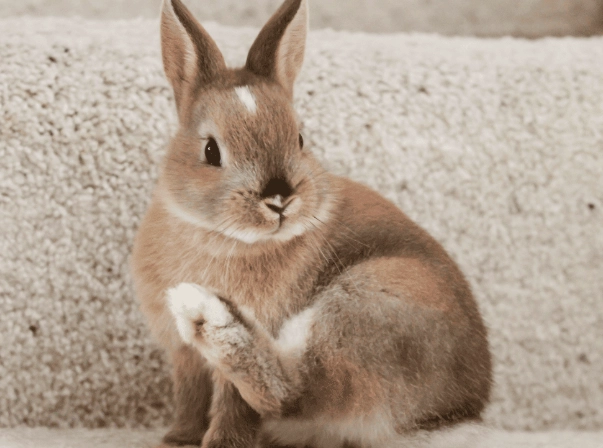
This is the breed most people picture—tiny, round, and adorable. An adult Netherland Dwarf typically measures 20 to 25 cm from nose to tail base. Weight? Around 1 to 1.5 kg. But here's a tip many miss: some lines, especially from pet stores, can creep up to 28 cm if they're mixed with larger breeds. I once adopted one sold as "purebred" that ended up at 27 cm, barely fitting a standard small cage.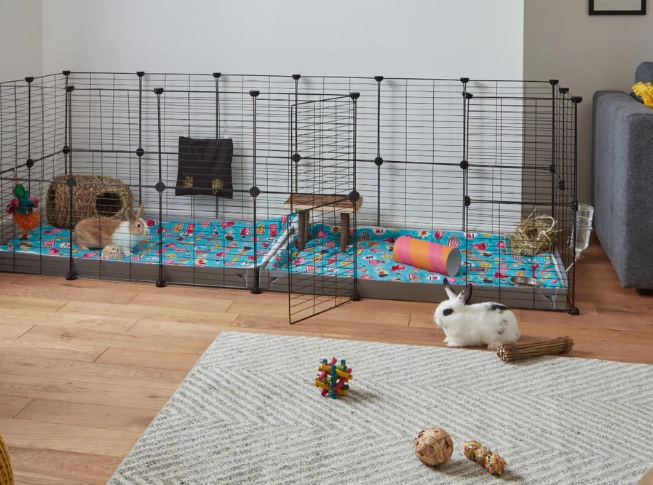
Holland Lop: Floppy Ears, Moderate Size
Holland Lops are a bit bulkier. Their body length averages 25 to 30 cm, with ears adding another 10 cm or so. They weigh 1.5 to 2 kg. The ears don't count for cage space, but their body width does—these guys need room to flop around.
Mini Rex: The Plush Velvet Rabbit
Mini Rex rabbits are compact but dense. They're usually 25 to 35 cm long and weigh 1.5 to 2 kg. Their fur is short, so they look smaller than they are. A common mistake is assuming a Mini Rex fits a tiny hutch; in reality, they're active and need space to hop.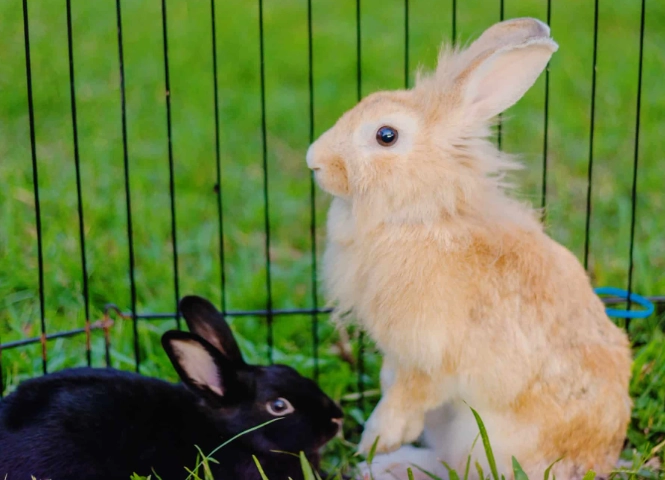
| Breed | Average Body Length (cm) | Average Weight (kg) | Notes |
|---|---|---|---|
| Netherland Dwarf | 20-25 cm | 1-1.5 kg | Smallest common breed; prone to size variation |
| Holland Lop | 25-30 cm | 1.5-2 kg | Ears add length; requires wider cages |
| Mini Rex | 25-35 cm | 1.5-2 kg | Dense build; often underestimated |
| Dwarf Hotot | 22-28 cm | 1.2-1.8 kg | Eyeliner markings; moderate size |
| Polish Rabbit | 20-25 cm | 1-1.5 kg | Often confused with Netherland Dwarf |
Notice how even within "dwarf" breeds, there's a 15 cm range? That's why guessing can backfire. I recommend always asking breeders for parent sizes—it's a good predictor.
How to Measure Your Rabbit Accurately
Measuring a rabbit isn't like measuring a static object. They wiggle, they hop, they get nervous. Here's a step-by-step method I've refined after many attempts.
First, wait until your rabbit is calm, maybe after a meal or during a lazy afternoon. Use a soft measuring tape—the fabric kind, not metal. Place the rabbit on a flat surface, gently holding it still. Measure from the tip of the nose to the base of the tail, following the spine's curve. Don't include the tail; it's not part of the body length for cage purposes.
Why is this important? I've seen owners measure from nose to tail tip, adding 5-10 cm unnecessarily. That leads to oversized cages that waste space or, worse, undersized ones if they round down. For weight, use a small digital scale. Weigh yourself first, then hold the rabbit and subtract. Do this monthly to track growth.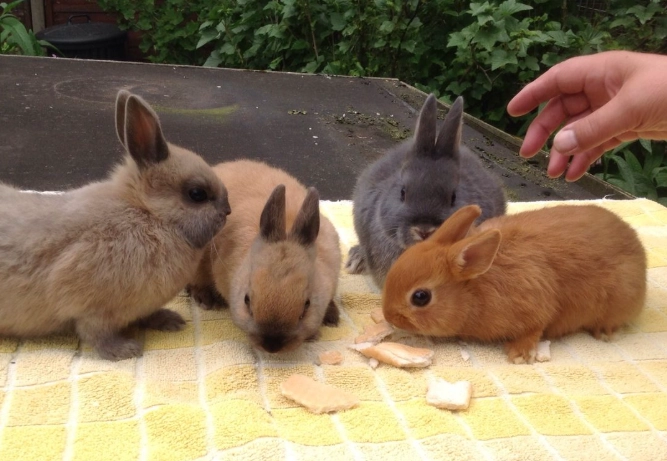
Pro tip: If your rabbit hates being measured, try the "treat distraction" method. Lay the tape along their side while they're eating a leafy green. It's not perfect, but it's better than a stressed bunny.
Why Size Affects Health and Habitat
Size in centimeters directly impacts two big things: cage selection and health risks. Get this wrong, and you're setting up for trouble.
Cage Size Recommendations
The House Rabbit Society suggests a minimum cage size of 1.2 meters by 0.6 meters for most rabbits, but for dwarfs, you can adjust based on length. As a rule, the cage should be at least 4 times the rabbit's body length in one direction. So for a 25 cm rabbit, that's 100 cm (or 1 meter) of running space. Depth and height matter too—they need room to stand up and turn around.
I made a mistake early on: I bought a cute 60 cm cage for a Netherland Dwarf, thinking it was enough. Within weeks, the rabbit started chewing bars and seemed lethargic. Upgrading to a 90 cm cage solved it. Lesson learned: bigger is always better, but don't go overboard; too large can make them feel insecure.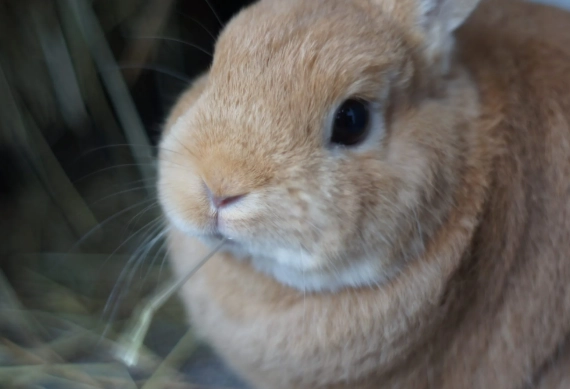
Health Implications
Obesity is a huge issue in dwarf rabbits. If they're overfed or under-exercised due to small cages, they pack on weight fast. A rabbit that's 30 cm long but weighs 2.5 kg is overweight, which strains their joints and heart. Conversely, a too-small cage can cause stress, leading to gastrointestinal stasis—a deadly condition where their gut slows down.
Breed-specific concerns: Netherland Dwarfs are prone to dental problems if their jaw size is mismatched with diet; measuring their head width (about 8-10 cm) can help choose appropriate chew toys. Holland Lops, with their lopped ears, need extra headroom to avoid ear infections.
Common Myths About Dwarf Rabbit Size
Let's bust some myths I hear all the time.
Myth 1: "Dwarf rabbits stay baby-sized forever." Nope. They reach full size by 6-8 months. A baby dwarf might be 15 cm, but it'll grow. I've met owners shocked when their "tiny" bunny hits 30 cm.
Myth 2: "All dwarf breeds are the same size." As the table shows, breeds differ. A Mini Rex is often bigger than a Netherland Dwarf, but pet stores lump them together.
Myth 3: "Size doesn't matter if they're free-roaming." Even free-roaming rabbits need a safe base cage. If it's too small, they might avoid it, leading to accidents or stress.
A non-consensus point: many experts say to focus on weight, but I argue length in cm is more critical for habitat planning. Weight fluctuates with diet, but length stabilizes and dictates spatial needs.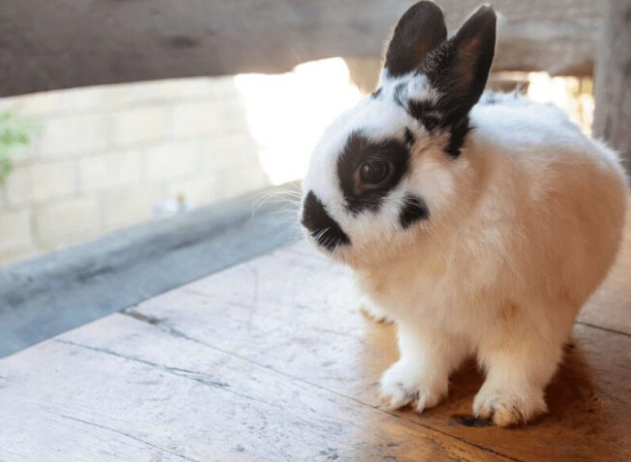
Your Top Questions Answered
Wrapping up, understanding dwarf rabbit size in cm isn't about numbers for the sake of it. It's about giving your pet a better life. Measure carefully, choose breeds wisely, and always err on the side of more space. After years of keeping these little guys, I've learned that a few centimeters can make all the difference between a stressed rabbit and a thriving one. Got more questions? Drop a comment—I love chatting about rabbit care.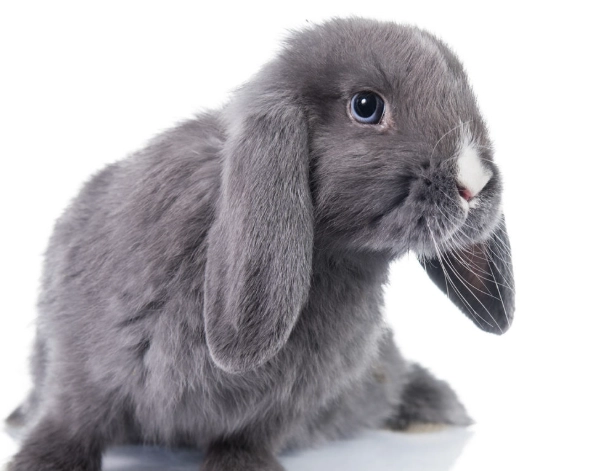
Reader Comments