If you've ever watched a cottontail dart across your yard, you might have wondered about its life. The stark truth about a wild rabbit's lifespan often surprises people. While their domesticated cousins can live 8-12 years, a wild rabbit's life is measured in a much shorter, more brutal timeframe. On average, most wild rabbits don't live past their first year. That's the harsh reality of nature. But that "average" hides a more complex story of survival, resilience, and the specific factors that dictate whether a rabbit sees one spring or several.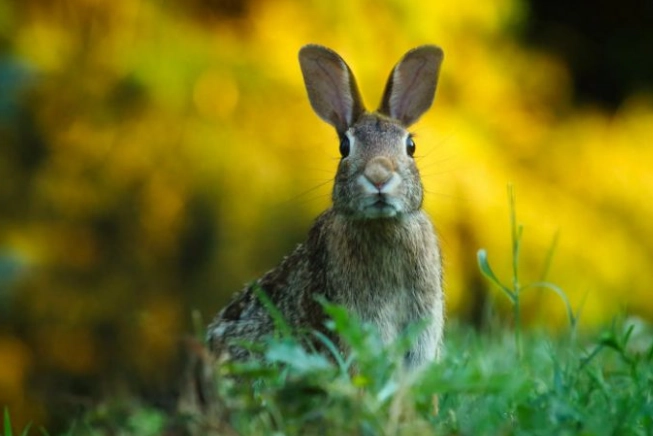
What's Inside This Guide
Factors That Shorten a Wild Rabbit's Life
Calling a wild rabbit's existence "precarious" is an understatement. They're born into a world where nearly everything is a threat. The low average lifespan isn't due to one single cause, but a relentless combination of pressures.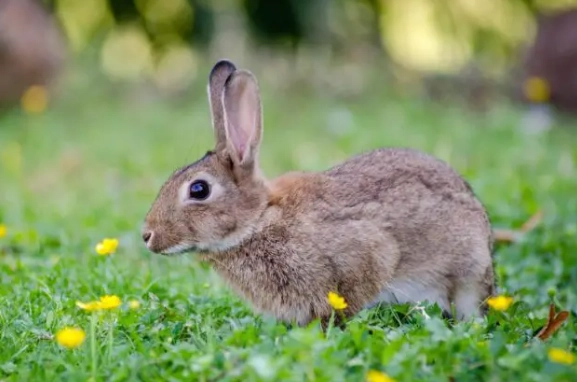
The Predator Problem: A Rabbit's Daily Reality
This is the big one. Rabbits are a foundational prey species. Their survival strategy isn't armor or strength, but sheer numbers and reproduction. The list of predators is a who's who of the animal kingdom.
- Aerial Threats: Hawks, owls, eagles. Their silent approach from above is a constant danger, especially at dawn and dusk.
- Ground Hunters: Foxes, coyotes, bobcats, weasels, stoats. These predators use scent and stealth. A weasel can follow a rabbit right into its burrow.
- Domestic Threats: Free-roaming cats and dogs. The impact of domestic cats on local wildlife, including juvenile rabbits, is significant and well-documented by conservation groups.
I remember finding a rabbit nest in my overgrown garden as a kid. One day it was full of kits; the next, just a hollow lined with fur. A neighbor's cat was the likely culprit. It was a blunt early lesson in how fragile that first month of life is.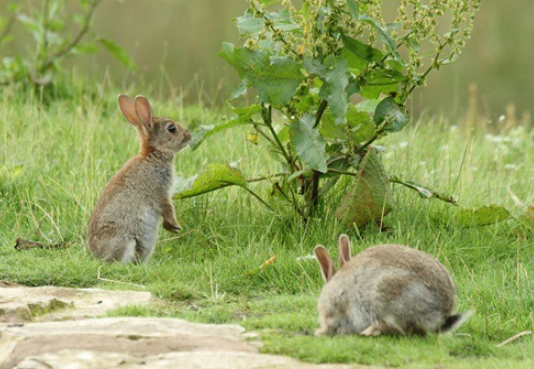
Disease and Parasites: The Invisible Killers
While predators get the spotlight, disease can be just as deadly, and it often works in tandem with other stressors. A rabbit weakened by parasites is easier prey.
Key Insight: Many people assume disease is the primary killer, but predation usually claims more lives first. However, in dense populations or stressed groups, disease can become the dominant factor, leading to rapid die-offs.
Myxomatosis and Rabbit Hemorrhagic Disease (RHD) are two viral diseases that have caused massive mortality in wild populations globally. Ticks, fleas, and internal worms sap energy and spread illness. Snuffles, a bacterial respiratory infection, is common in wet, cold conditions. You might see a wild rabbit with crusty eyes or a runny nose—that's often a sign of a serious health battle it's unlikely to win.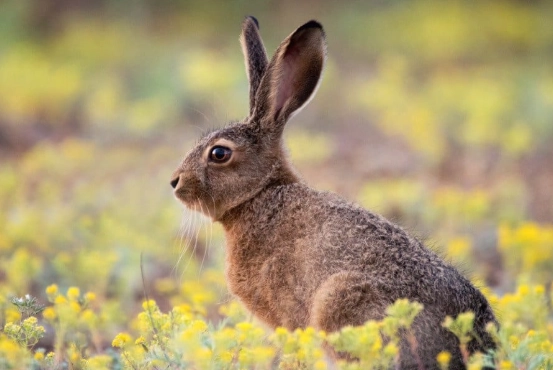
Food Scarcity and Weather Extremes
Winter isn't just cold; it's a time of nutritional deficit. Rabbits switch to bark, twigs, and any remaining greenery. This low-quality diet can lead to starvation, especially for younger rabbits. Deep snow also makes them more visible to predators and limits escape routes.
Conversely, a summer drought can wipe out the lush grasses and herbs they depend on. Finding clean water can also become a challenge. Extreme weather events—flash floods that drown nestlings, late frosts that kill early spring vegetation—add another layer of random misfortune.
How Long Do Different Wild Rabbit Species Live?
Not all wild rabbits face identical odds. "Wild rabbit" covers several species with different habits and habitats, which influences their potential lifespan.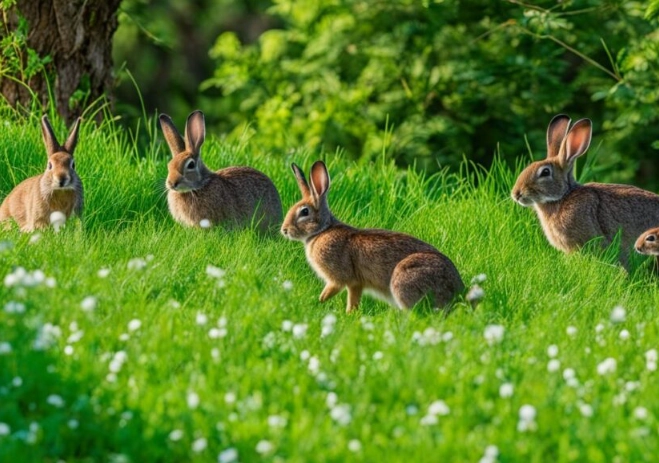
| Species (Common Name) | Typical Average Lifespan in Wild | Maximum Recorded Potential | Key Survival Notes |
|---|---|---|---|
| Eastern Cottontail (North America) | Less than 1 year | 3-5 years (rare) | Doesn't dig complex burrows; uses shallow depressions or abandoned dens. Highly vulnerable, especially as juveniles. |
| European Rabbit (Europe, introduced elsewhere) | 1-2 years | 7-9 years (rare) | Lives in large, complex warrens (burrow systems). Social structure and shared burrow defense offer slightly better odds. |
| American Pika (Rocky Mountains) | 3-4 years | 6-7 years | Not a true rabbit, but a close relative. Lives in rocky alpine zones with fewer mammalian predators, though vulnerable to climate change. |
| Jackrabbit (Hare) | 1-5 years | Up to 8 years | Larger, faster, and born precocial (fully furred, eyes open). Their speed and size give them a significant advantage over smaller rabbits. |
The table shows a clear pattern: behavior and habitat shape survival. The European Rabbit's warren life, while not predator-proof, provides more shelter than a cottontail's surface nest. Jackrabbits, being hares, have a developmental head start. This nuance is often missed in general discussions.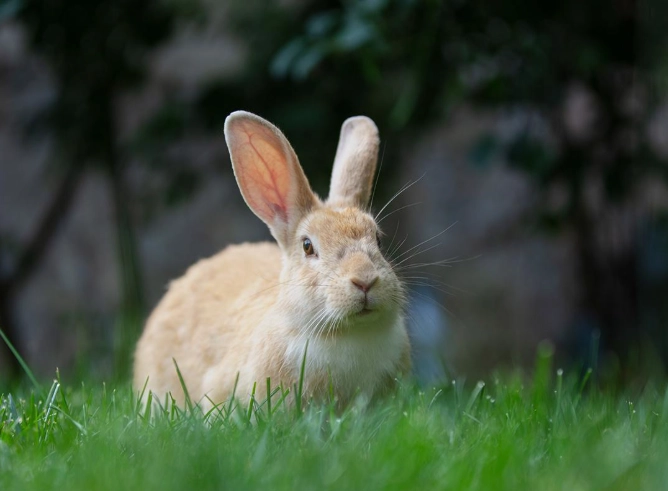
What Helps a Wild Rabbit Live Longer?
So how do any rabbits make it to that "maximum potential" age? It's a combination of luck, innate traits, and learned behavior.
Surviving the First Month: The single biggest hurdle. Kits are blind, deaf, and furless for the first week. The mother only visits to nurse once or twice a day to avoid attracting attention. If they get past weaning at about 4 weeks, their chances improve dramatically.
Learning Evasion: A rabbit that survives its juvenile period learns. It memorizes bolt-hole locations, understands which areas have the best cover, and becomes more vigilant. An older, experienced rabbit is far more adept at using its zig-zag running pattern and sudden stops to evade predators than a naive youngster.
Habitat Quality: Rabbits in areas with dense, diverse cover—brush piles, tall grasses, shrublands—simply have more places to hide. Fragmented habitats or overly manicured landscapes offer little refuge. Research from wildlife agencies consistently shows habitat loss as a major pressure on wild rabbit populations.
Reproductive Output: This is their evolutionary bet. A single female cottontail can have 3-4 litters per year, with 3-8 kits per litter. Even with a 90% mortality rate, the math works for population survival. The few that live longer contribute disproportionately to the gene pool by producing many litters.
Your Wild Rabbit Lifespan Questions Answered
The life of a wild rabbit is a high-stakes game of odds. Their remarkably short average lifespan is a direct result of their ecological role as a prey species. Yet, within that statistic lies the story of the survivors—the rabbits that, through a mix of instinct, learned skill, and plain luck, navigate the gauntlet of predators, disease, and hunger to see multiple seasons. They are the ones that pass on the behaviors that help the next generation endure. Understanding these factors doesn't just answer the question of "how long"—it reveals the intense, fragile, and resilient nature of their existence right outside our doors.
Comment