You're thinking about getting a rabbit, or maybe you already have one hopping around. One of the first questions that pops up is: how long will my bunny be with me? It's a big commitment. The answer isn't simple, and that "rabbits live 8-12 years" line you see everywhere? It's a decent average, but it hides a massive range. A Netherland Dwarf's journey looks very different from a Flemish Giant's. The breed is your starting point, but it's just the first chapter of a much longer story about care, genetics, and a bit of luck.
What's Inside This Guide?
The Breed Lifespan Spectrum: From Dwarf to Giant
Let's get specific. Generalizations are useless when you're looking at a specific floppy-eared friend. Based on data from breed clubs like the American Rabbit Breeders Association (ARBA) and decades of breeder and veterinarian observations, here's a more realistic breakdown. Remember, these are averages for well-cared-for rabbits. Many live shorter, and with exceptional care, many live longer.
| Breed | Average Lifespan Range | Key Characteristics & Lifespan Notes |
|---|---|---|
| Netherland Dwarf | 10 - 12+ years | Often one of the longest-lived. Their small size (under 2.5 lbs) is linked to fewer joint issues, but they can be prone to dental problems due to brachycephalic (short-faced) features. |
| Mini Rex | 7 - 10 years | The plush velvet fur is a highlight. Generally robust, but their compact build requires monitoring for obesity, which is a major lifespan shortener. |
| Holland Lop | 7 - 12 years | A huge range here. Their lopped ears are adorable, but the skull shape can predispose them to dental and ear canal issues. Lineage and care make a dramatic difference. |
| Lionhead | 7 - 10 years | That magnificent mane requires daily grooming to prevent matting and GI stasis from ingested fur. Neglect here can significantly shorten their life. |
| New Zealand | 5 - 8 years | Larger breeds (9-12 lbs) tend to have shorter average lifespans. They are generally hearty but more susceptible to heart and joint strain. Often used in commercial settings, which skews data. |
| Flemish Giant | 5 - 8 years | The gentle giants (14+ lbs). Their size puts immense stress on their skeletal and cardiovascular systems. Arthritis and heart issues are common concerns as they age. |
A crucial note on "mixed breed" or rescue rabbits: Don't despair if you don't know the breed! Mixed breeds often benefit from hybrid vigor, meaning they can be hardier and live just as long, if not longer, than purebreds. Focus on their size (dwarf, medium, giant) as a rough guide for potential health considerations.
What Really Decides How Long Your Rabbit Lives?
Breed gives you the map, but you're the driver. I've seen two rabbits from the same litter live vastly different lengths of life because of their home environment. If you want to beat the averages, these are the levers you can pull.
1. Diet: It's Not Just About Pellets
The biggest mistake I see? Overfeeding pellets and underfeeding hay. An adult rabbit's diet should be 80-90% unlimited grass hay (Timothy, Orchard, Oat). Hay wears down their ever-growing teeth and keeps their gut moving. Pellets are a supplement, not the main course—a quarter cup per day for a 5 lb rabbit is plenty. Fresh leafy greens (romaine, cilantro, kale) are daily essentials.
Fruits and carrots? Treats only. Sugar disrupts their delicate gut bacteria. A rabbit with a poor diet is a ticking time bomb for gastrointestinal stasis, a leading killer.
2. Veterinary Care: The Exotic Animal Specialist
This is non-negotiable. Rabbits are exotic pets. Your standard dog-and-cat vet likely lacks the specific training. You need an exotic or rabbit-savvy veterinarian. The House Rabbit Society maintains a directory. Annual check-ups are critical for spotting subtle issues like early dental spurs or heart murmurs. Spaying/neutering is also a major lifespan extender, drastically reducing the risk of reproductive cancers (very common in does).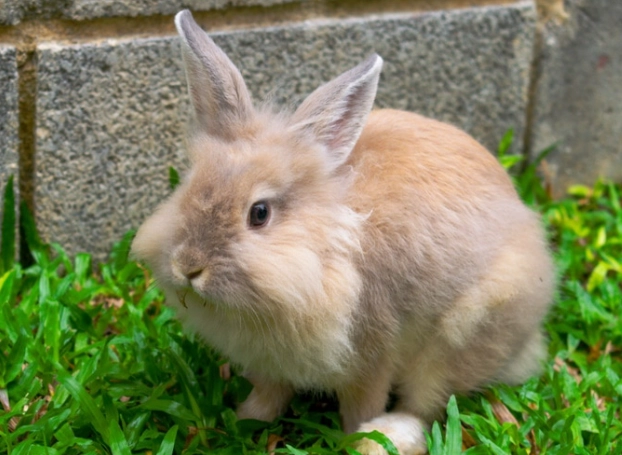
3. Environment & Lifestyle: Stress Kills
A rabbit living alone in a small cage will not reach its potential. They need:
- Space: An exercise pen (x-pen) is better than any cage. Room to run, binky, and explore is vital for physical and mental health.
- Companionship: Rabbits are social. A bonded partner reduces stress and encourages activity. A lonely rabbit is often a depressed, inactive rabbit.
- Safety: Rabbit-proof your home. Electrical cords, toxic plants, and precarious heights are real dangers.
- Mental Stimulation: Cardboard castles, tunnels, puzzle feeders, and digging boxes prevent boredom, which can lead to destructive behaviors and stress.
Actionable Steps to Help Your Rabbit Live Longer
Let's move from theory to practice. Here’s a checklist you can start today.
The Daily/Weekly Routine:
- Check food and water intake. Any drop is a red flag.
- Monitor poop output. Size, shape, and quantity matter. Fewer or misshapen poops mean trouble.
- Provide at least 3-4 hours of supervised free-roam time.
- Groom, especially during molting seasons. Ingested fur is a primary cause of blockages.
The Monthly Check:
- Weigh your rabbit. A kitchen scale works. Unexplained weight loss is often the first sign of illness.
- Do a gentle physical check: eyes clear? nose clean? bottom clean? nails trimmed?
The Annual Must-Do:
- Visit your exotic vet for a full check-up, including a dental exam.
I learned the weight lesson the hard way. My first rabbit, a Mini Lop named Bean, seemed fine—eating, hopping around. But over two months, he'd quietly lost half a pound. By the time he showed obvious signs (lethargy), we were in an emergency situation. A simple monthly weigh-in would have caught it weeks earlier.
Your Rabbit Lifespan Questions Answered
So, what's the final answer on rabbit lifespan by breed? It's a framework, not a fate. Choose a breed whose needs you understand and can meet for a decade or more. Then, focus everything on the day-to-day care. The hay, the space, the vet, the companionship. That's where you truly write your rabbit's life story. It's a long commitment, but watching a happy, healthy bunny grow old is one of the most rewarding experiences a pet owner can have.
Reader Comments