So you're thinking about getting a white rabbit, or maybe you already have one hopping around your living room. One of the first questions that pops up is, "How long will my fluffy friend be around?" It's a fair question. You're making a commitment, and you want to know what you're signing up for. The short answer is that a well-cared-for pet rabbit, white or otherwise, can live a surprisingly long time—often between 8 to 12 years. Some even push past 12 with exceptional care.
But what does "average" really mean? And why do some rabbits sadly pass away at 4 or 5, while others are still binkying (that joyful rabbit jump) at 10? The color white itself isn't a lifespan factor, but the genetics, care, and common misconceptions tied to certain white breeds absolutely are. I've seen it all in over a decade of rabbit rescue and ownership—the heartbreak of preventable early loss and the joy of a rabbit thriving into its teens. Let's cut through the myths and talk about what actually determines how long your white rabbit lives.
What’s Inside: Your Quick Guide
How Long Do White Rabbits Live? Breaking Down the Numbers
Throwing out an "average" of 8-12 years is helpful, but it's vague. Lifespan varies wildly by breed, which is a crucial point most generic articles miss. A white rabbit isn't just a white rabbit. Is it a tiny Netherland Dwarf or a massive Flemish Giant? The breed dictates size, common health predispositions, and ultimately, life expectancy.
Here’s a more useful breakdown. This table shows common breeds that often come in pure white (think of the classic red-eyed white) and their typical lifespan ranges based on data from organizations like the House Rabbit Society and veterinary consensus.
| Breed (Common White Varieties) | Average Size | Typical Lifespan Range | Key Health Notes |
|---|---|---|---|
| Netherland Dwarf | Very Small (2-2.5 lbs) | 10 - 12+ years | Often long-lived, but prone to dental issues due to brachycephalic (short) skulls. |
| Mini Rex / Rex | Small to Medium (3.5-4.5 lbs / 7.5-10.5 lbs) | 7 - 10 years | Generally robust. Rex fur requires specific grooming to prevent skin issues. |
| New Zealand White | Large (9-12 lbs) | 5 - 8 years | Frequently used in labs/past meat production; may have less diverse genetics. Prone to weight gain. |
| American Fuzzy Lop / Holland Lop | Small (3-4 lbs) | 7 - 12 years | Lop ears can be prone to infections and wax buildup. Regular ear checks are non-negotiable. |
| Flemish Giant | Giant (13+ lbs) | 5 - 8 years | Larger breeds often have shorter lifespans. Joint issues (arthritis) can develop earlier. |
See the pattern? Smaller breeds tend to outlive larger ones. That Netherland Dwarf hitting 12 is common, while an 8-year-old Flemish Giant is a senior citizen. The "New Zealand White" is a classic example—often the image people have of a lab rabbit. Their average tends to be on the lower end, partly due to historical breeding purposes not always prioritizing longevity.
Genetics is the hand your rabbit is dealt. You can't change it. But the next factors are entirely in your control, and they're where most rabbits' lifespans are won or lost.
The 4 Biggest Factors That Control Rabbit Longevity
Forget magic potions. A rabbit's long life is built on a foundation of four pillars. Miss one, and the whole structure gets shaky.
1. Diet: It's Not Just About Pellets
This is the number one mistake I see. People think a bowl of pellets and the occasional carrot is a complete diet. It's not. It's a shortcut to obesity, GI stasis, and dental disease.
Unlimited grass hay (Timothy, Orchard, Meadow) should be 80-90% of their diet. Hay wears down their constantly growing teeth and keeps their gut moving. Pellets are just a supplement—a quarter cup per day for a medium-sized rabbit is plenty. Fresh leafy greens (romaine, kale, herbs) are daily essentials. Fruits and carrots? Treats only, like once a week.
Expert Tip: If your rabbit's poop is small, hard, or infrequent, the first thing to check is hay consumption. Not eating enough hay is the leading dietary cause of life-threatening GI stasis.
2. Veterinary Care: Find a Rabbit-Savvy Vet NOW
Rabbits are prey animals. They hide illness until they can't anymore. By the time they stop eating or seem "off," it's often an emergency. Annual check-ups with a vet who specializes in or is very experienced with exotic pets (rabbits, guinea pigs) are critical. They'll check teeth, weight, and overall condition.
Spaying or neutering is non-optional for longevity. For females, it virtually eliminates the risk of uterine cancer, which strikes up to 80% of unspayed does over age 4. For males, it reduces aggression and spraying. The surgery is safer when they're young (4-6 months).
3. Environment: Safe, Spacious, and Stimulating
Life in a tiny hutch outdoors shortens lifespan. Period. Threats include predators, extreme temperatures, flies causing flystrike, and sheer loneliness. House rabbits live longer.
Your rabbit needs a large, puppy-pen style enclosure or a rabbit-proofed room. They need space to run, jump, and explore for several hours daily. Mental stimulation—toys, cardboard castles, digging boxes—prevents boredom and depression. A lonely rabbit is an unhealthy rabbit. Consider a bonded pair; they groom each other and provide constant companionship.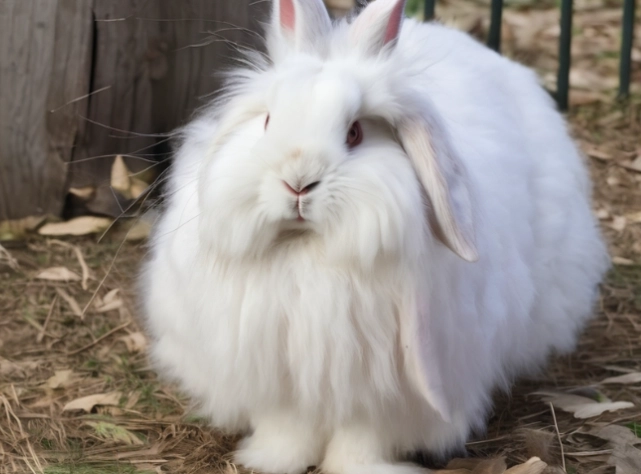
4. Genetics & Breed-Specific Issues
We touched on breed. Now, dive deeper. That beautiful white rabbit with blue eyes? It might be a REW (Ruby Eyed White), which is a color pattern, not a breed. The key is the "cc" gene that suppresses color. There's a myth that REWs are more prone to health issues. The color gene itself isn't the problem. However, some lines, especially in dwarf breeds, may have been inbred to fix the white color, potentially concentrating other undesirable traits. The lesson? Get your rabbit from a reputable rescue or breeder who prioritizes health over color.
How to Extend Your White Rabbit's Lifespan: A Practical Plan
Let's make this actionable. Here’s your longevity checklist, beyond the basics.
Yearly Vet Visit: Not "when needed." Yearly. Include a dental check. Rabbits' teeth roots can develop painful spikes you can't see.
Daily Observation: Spend 10 minutes just watching. Know their normal eating, drinking, and poop patterns. Notice the size and quantity of droppings. This is your early warning system.
Weight Management: Weigh your rabbit monthly. A kitchen scale works. Gradual weight loss or gain is a huge red flag. An overweight rabbit is at high risk for heart disease, arthritis, and liver lipidosis.
Grooming Routine: Especially for white rabbits! Their fur shows everything. Regular brushing prevents hairballs (which can cause fatal blockages). Check their bottom daily to ensure it's clean and dry to prevent flystrike.
Emergency Kit: Have critical items ready: syringe for feeding, simethicone drops (for gas), a pet carrier, and the number/address of your vet and the nearest 24-hour exotic emergency clinic. Seconds count.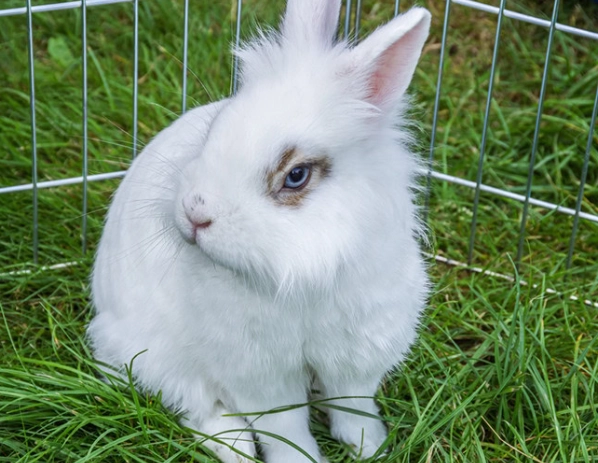
Common Mistakes That Shorten a Rabbit's Life
Let's be blunt. These are the things I see well-meaning owners do that break my heart.
Overfeeding pellets and treats. It feels like love, but it's like feeding a child candy for every meal. It leads to a slow, unhealthy decline.
Keeping them isolated in a cage. Loneliness and lack of exercise cause physical and mental decline. A rabbit needs a friend and a space to be a rabbit.
Waiting too long to go to the vet. "He's just quiet today" is the most dangerous phrase in rabbit care. If a rabbit stops eating for 12 hours, it's a veterinary emergency. Don't wait until morning.
Using the wrong antibiotics. Never let a vet who isn't rabbit-savvy prescribe medication. Oral penicillin, for example, is fatal to rabbits. Always confirm the vet's exotic experience.
Your White Rabbit Lifespan Questions Answered
Caring for a white rabbit—or any rabbit—is a marathon, not a sprint. That 8-12 year lifespan is a promise you make to them, and it's kept not with grand gestures, but with daily, quiet consistency: the fresh hay, the clean water, the watchful eye, the safe space to play. It's about partnership. When you get it right, you're rewarded with over a decade of unique, quirky companionship from one of the most misunderstood and wonderful pets out there. Start with the hay. Find that vet. Your rabbit's long, hoppy life depends on it.
Reader Comments