Let's be honest. You're probably here because you saw a picture. A cloud with ears, a living teddy bear, a ball of fluff so extreme it defies logic. That's the Angora Lionhead rabbit, a deliberate cross between the long-fiber Angora and the distinctive Lionhead. It's stunning. It's also one of the most high-maintenance pets you can invite into your home. I've kept rabbits for over a decade, and hybrids like this one are where enthusiasm often meets a harsh reality check. This isn't a pet for the faint of heart or the time-poor. But if you're committed, it can be an incredibly rewarding companion. This guide strips away the fluff (pun intended) and gives you the unvarnished truth about care, cost, and commitment.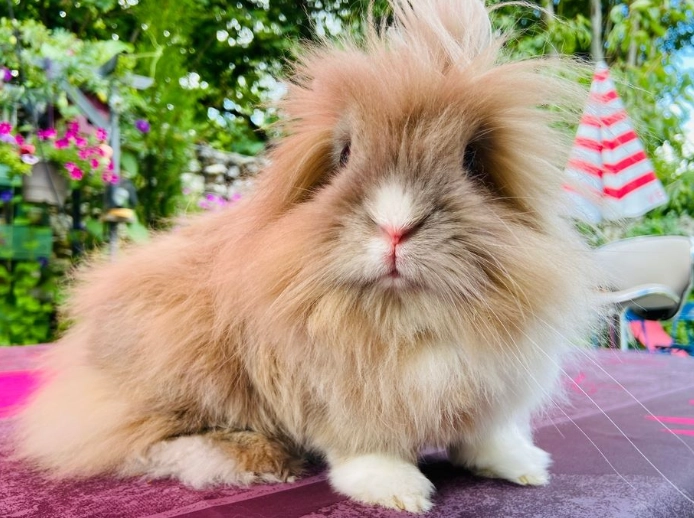
What You'll Find in This Guide
What Exactly Is an Angora Lionhead Rabbit?
First things first: this is not a recognized breed by major organizations like the American Rabbit Breeders Association (ARBA). You won't find an official breed standard. It's a "designer" or hybrid rabbit, bred to combine the Angora's luxurious, wool-producing coat with the Lionhead's signature mane. The goal? Maximum fluff factor. The result varies wildly. Some get the Angora's long body wool but keep a pronounced Lionhead mane. Others look more like a fluffy Lionhead. There's no consistency, which is a crucial point many breeders gloss over.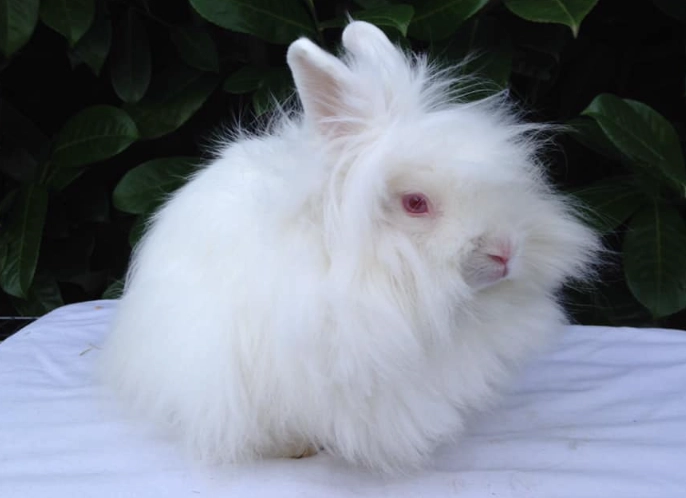
Their temperament is just as mixed. You might get the laid-back, tolerant nature of a well-bred English Angora, or the energetic, sometimes cheeky personality of a Lionhead. Most land somewhere in the middle: friendly, intelligent, but with a clear need for attention and space. They are not cage rabbits. Period.
A quick note on genetics: Because they're hybrids, their wool type isn't stable. Some inherit the Angora's continuous growth wool, which must be shorn or will felt. Others have a slower-growing coat that still mats if ignored. You won't know until you're several months in, so always prepare for the highest-maintenance scenario.
The Non-Negotiable Daily Care Routine
Forget what you know about typical rabbit care. An Angora Lionhead's routine is centered almost entirely around preventing its coat from becoming a solid, painful mat. Here's what a committed day looks like, broken down.
Morning (15-20 minutes): Quick health check. Look at eyes, nose, bottom (for cleanliness). Offer fresh hay and water. A thorough once-over with your hands, feeling for any small tangles starting around the armpits, chest, and hindquarters. This is called "felting" and it's the beginning of a mat. A light brushing might be needed.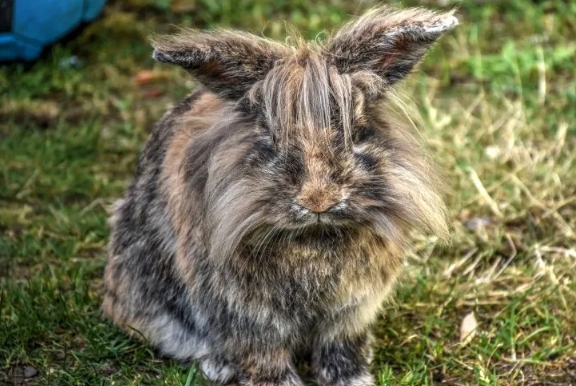
Evening (30-45 minutes, longer on grooming days): This is the main session. Bonding time is grooming time. You'll need to get the rabbit out, onto a secure table or your lap, and work through the coat section by section. This isn't a quick pat with a brush. You're checking the entire undercoat. Feed the evening portion of pellets and veggies during or after as a reward.
Weekly, you'll need a full 60-90 minute session for deep combing. The table below breaks down the absolute essentials you cannot skip.
| Task | Frequency | Why It's Critical |
|---|---|---|
| Full Body Comb-Through | Every 2-3 Days (Minimum) | Prevents mats that pull skin, cause sores, and restrict movement. Mats near the rear can block excretion. |
| Bottom "Sanitary Trim" | As Needed (Often Weekly) | Long wool traps urine and cecotropes, leading to urine scald and flystrike—a fatal condition. |
| Nail Trimming | Every 4-6 Weeks | Long nails alter gait, get caught in wool, and can tear out. |
| Full Shearing/Trimming | Every 3-4 Months | Resets the coat, manages summer heat, and gives you (and the rabbit) a break from intensive grooming. |
The biggest mistake I see? People only brush the top layer. The mat forms underneath, against the skin, where a slicker brush never reaches. You must use a comb that reaches the skin.
Grooming Breakdown: Tools and Techniques
Using the wrong tool is worse than using no tool at all. A cheap, fine-toothed slicker brush will just tease the top of a mat and break the hair. You need a toolkit.
Essential Grooming Toolkit
- Greyhound Comb: The workhorse. A 7.5-inch fine/medium comb gets through wool to the skin. This is for daily detangling.
- Slicker Brush (with Long, Bent Wires): Only for after combing, to fluff and remove loose hair. Never start with it on a tangled coat.
- Blunt-Tipped Scissors: For carefully snipping out small, impossible mats without cutting skin. The skin is incredibly thin and tents up into the mat.
- Small Pet Clippers: Like Andis or Wahl. Vital for sanitary trims and full shearing. A quiet model is best.
- Cornstarch or Talc-Free Powder: Sprinkle a little on a tight mat before working it; it helps the comb teeth slide.
Technique is everything. Always hold the base of the hair close to the skin when combing a tangle. This prevents you from pulling their skin. Work from the tips of the hair slowly toward the root. If you hit a solid mat, don't yank. Use your fingers to gently pull it apart, or carefully snip it out with scissors parallel to the skin.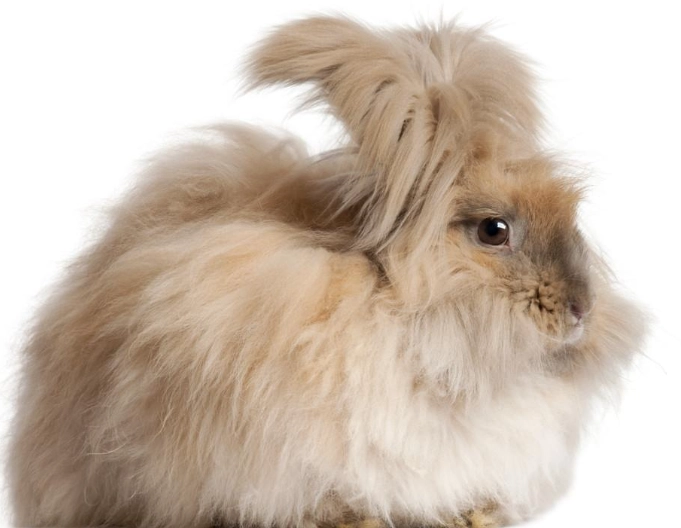
Diet and Nutrition for Optimal Health
A proper diet does more than keep them healthy; it directly impacts wool quality and digestive function, which is paramount for long-haired breeds prone to wool block.
Unlimited Grass Hay: 80% of their diet. Timothy hay is ideal. It provides the fiber needed to keep their gut moving and pass any ingested wool. Orchard grass or oat hay are good alternatives. The hay rack should always be full.
High-Quality Pellets: Limited. For an adult, about 1/4 cup per day of a plain, timothy-based pellet. Avoid mixes with seeds, corn, or colorful bits. Look for at least 18% fiber. Brands like Oxbow or Small Pet Select are reliable.
Fresh Vegetables: About 1 packed cup per 2 lbs of body weight daily. Favorites include romaine lettuce, cilantro, bell peppers, and bok choy. Introduce new veggies slowly. Avoid high-calcium greens like spinach and kale as staples.
Water: Always fresh, in both a bowl (better for drinking) and a bottle as backup. Bowls need cleaning daily.
The hidden danger here is wool block. They ingest huge amounts of their own fur. Without immense amounts of hay fiber, that fur sits in the stomach, causing a blockage, loss of appetite, and eventually GI stasis. It's a silent killer. If you see smaller, misshapen poops strung together with hair, increase hay immediately and consider a digestive supplement like plain canned pumpkin (not pie filling).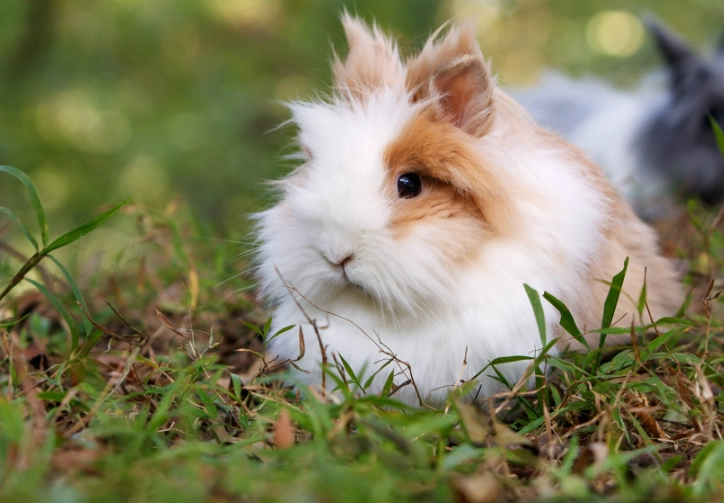
Common Health Issues to Watch For
Beyond general rabbit ailments, the Angora Lionhead mix is predisposed to specific problems.
Wool Block / GI Stasis: As mentioned. The number one threat. Signs: reduced poop size, loss of appetite, lethargy, hunched posture. This is an emergency requiring a vet.
Mats and Skin Infections: Tight mats cut off air circulation, leading to moist, inflamed skin and bacterial or fungal infections. You'll smell it before you see it.
Urine Scald: Wool around the genitals soaks up urine, burning the skin. It's painful and invites flies. Hence the need for constant sanitary trims.
Overheating: That magnificent coat is a winter parka in summer. They must be kept in air conditioning. Temperatures over 80°F (27°C) are dangerous.
Dental Issues: Like all rabbits, their teeth constantly grow. A hay-based diet is non-negotiable to wear them down. Annual vet check-ups should include a molar exam.
You must have an exotics or rabbit-savvy vet lined up before you bring one home. Regular vets often lack experience with wool block and proper rabbit anesthesia.
Is This Rabbit Right For You? A Reality Check
Let's do a quick self-audit. An Angora Lionhead is a good fit if:
- You are home most evenings and have 30-60 minutes daily for grooming.
- You have a dedicated, air-conditioned space for a large exercise pen, not just a cage.
- You view grooming as a bonding activity, not a chore.
- You have a steady budget for high-quality hay, pellets, vet care, and grooming tools.
- You are patient and fine with cleaning up scattered hay and the occasional stray poop.
This rabbit is likely a bad fit if:
- You want a low-maintenance pet for a child.
- You travel frequently or have an unpredictable schedule.
- The idea of regular trimming, clipping, or dealing with bodily fluids on fur bothers you.
- You're allergic to hay or dust.
Consider a short-haired Lionhead or a Rex rabbit instead. They offer wonderful personalities without the overwhelming grooming commitment.
Finding a Responsible Breeder
Avoid pet stores. You need a breeder who is transparent about the challenges. Red flags: breeders who only show perfect baby pictures, downplay grooming needs, or don't ask you questions about your home setup.
Green flags: Breeders who show you the parents (note their coat condition), provide a detailed care sheet, discuss genetic health testing, and are available for follow-up questions. They should be knowledgeable about both Angora and Lionhead traits. Expect to be on a waiting list and pay significantly more than for a standard rabbit, reflecting the specialized care they've received.
Ask to see where the rabbits are kept. It should be clean, spacious, and the rabbits should be curious, not fearful. A good resource for starting your search is the listings on the American Rabbit Breeders Association (ARBA) website, even for hybrid breeders, as many reputable ones are members.
Your Angora Lionhead Questions Answered
Can I shave my Angora Lionhead rabbit short in the summer to avoid grooming?
Absolutely, and you should plan on it. A full body clip every 3-4 months is a lifesaver for you and the rabbit. It prevents mats, keeps them cool, and lets you monitor their skin. Use quiet, small animal clippers with a #10 blade. Leave at least half an inch of wool to protect the skin. Never shave down to the skin. Get a helper to hold the rabbit securely, and go slowly against the grain of the wool.
My Angora Lionhead's poop is strung together with hair. Is this an emergency?
It's a serious warning sign, one step away from an emergency. This is the early stage of wool block. Immediately increase unlimited timothy hay intake. Offer fresh pineapple juice (a few teaspoons) or papaya enzyme tablets—these contain enzymes that may help break down the hair. Ensure they are drinking water. If their appetite decreases or they stop pooping entirely within 12 hours, it's a vet emergency for motility drugs and fluids.
Are Angora Lionhead rabbits good with other pets or young children?
Generally, no to both as primary companions. Their delicate bone structure can't handle rough handling or being dropped by a young child. The constant grooming need is not a child-friendly task. Regarding other pets, they can coexist peacefully with calm, rabbit-trained cats or dogs, but introductions must be supervised with extreme caution. Their fluffy appearance can trigger a prey drive in some dogs. Their primary bond and "flock" should be you, the human caretaker.
What's the biggest mistake new owners make with this hybrid?
Underestimating the grooming by about 300%. They buy the rabbit because it's cute, use a cheap brush on the surface for a few weeks, and then discover a solid, felted pelt matted to the skin that requires surgical-level careful removal. This is traumatic for the rabbit and the owner. The second biggest mistake is feeding a pellet-heavy diet without enough hay, which directly leads to the fatal wool block we keep discussing.
Owning an Angora Lionhead rabbit is a journey. It's messy, time-consuming, and occasionally frustrating when you find a mat you missed. But for the right person, it's also deeply rewarding. There's nothing quite like the trust of a fluffy creature that depends on your hands for its comfort and health. If you've read this far and your reaction is "I can handle that," then you might just be ready. Start by assembling your grooming toolkit and finding that vet. Then, and only then, go find your cloud.
Comment