If you've landed here, you probably have a fluffy Angora mix rabbit or are thinking of getting one. Let's cut to the chase: these rabbits are gorgeous but high-maintenance. I've had Angora mixes for over a decade, and I've seen everything from matting disasters to happy, healthy bunnies. This guide isn't just a rehash of generic rabbit care—it's the stuff you won't find in most articles, based on real mistakes and successes.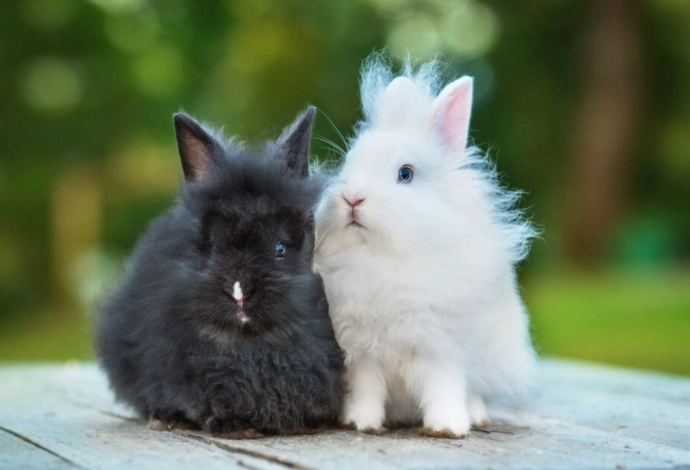
Jump to What You Need
What Exactly is an Angora Mix Rabbit?
An Angora mix rabbit is exactly what it sounds like—a cross between an Angora breed (like English, French, or Giant Angora) and another rabbit breed. Think of it as a fluffy hybrid. But here's the kicker: many people assume all long-haired rabbits are pure Angoras, but mixes are more common than you'd think. They often inherit that luxurious fur, but with varied textures and shedding patterns.
I adopted my first Angora mix, Whiskers, from a rescue. She was labeled as an "Angora mix" but had some Netherland Dwarf in her, making her smaller with a denser coat. This mix meant her fur matted faster if neglected. Understanding the mix matters because it affects everything from grooming to health risks.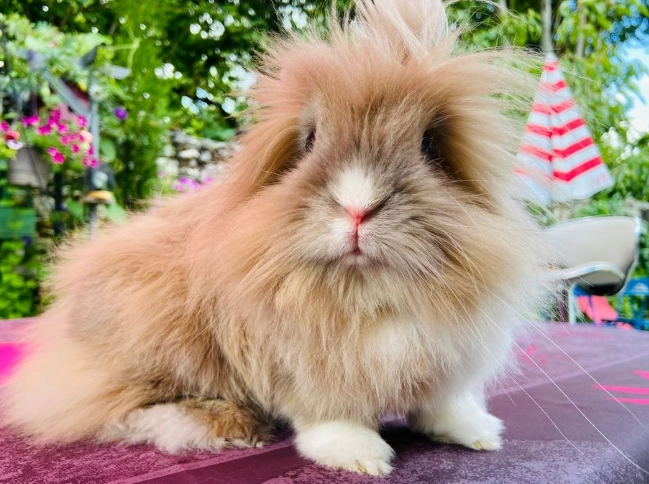
Common Mixes and Their Traits
Angora mixes can vary wildly. For instance, an Angora-Lionhead mix might have a mane-like fur, while an Angora-Rex mix could have plush, velvety hair. The House Rabbit Society notes that mixed breeds often have hybrid vigor, meaning they might be healthier, but their fur care needs are unpredictable. Don't rely on generic advice—observe your rabbit's specific coat type.
The Non-Negotiable: Grooming Your Angora Mix
Grooming isn't optional for Angora mixes; it's a survival skill. I've seen rabbits develop severe skin infections from ignored mats. Let's break it down without the fluff.
Daily Brushing Routine: What Most Guides Get Wrong
Most articles say "brush daily," but they don't tell you how. For Angora mixes, use a slicker brush for the topcoat and a wide-toothed comb for undercoat. Start from the skin outward, not just the surface. Here's a trick: if your rabbit hates brushing, try during feeding time—distraction works wonders. I use a small treat like a piece of hay to keep Whiskers still.
One common mistake? Using cheap brushes that pull hair. Invest in a quality brush like those recommended by the American Rabbit Breeders Association; it saves time and pain. For mats, never cut them out with scissors—you risk cutting skin. Instead, gently tease them apart with your fingers or a mat splitter.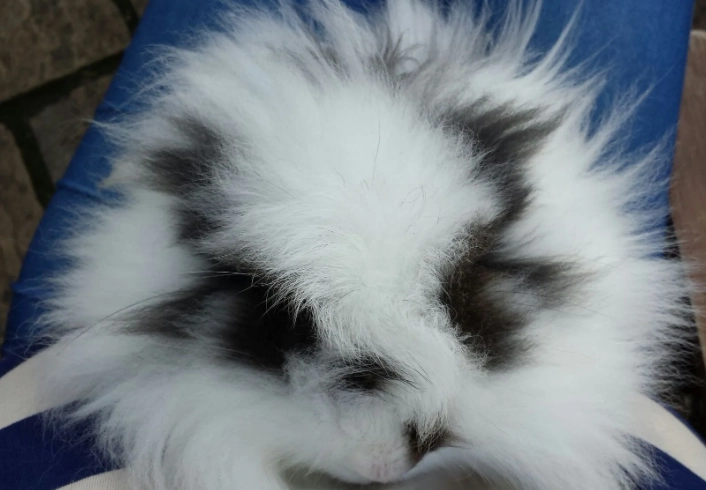
Dealing with Shedding and Matting
Angora mixes shed seasonally, but some shed year-round. During heavy sheds, brush twice daily. I keep a grooming journal to track shedding cycles—it helps anticipate needs. If matting occurs, don't panic. Apply a bit of cornstarch to the mat to loosen it, then work slowly. For severe cases, a vet or professional groomer might be needed.
Pro Tip: Many owners overlook the belly and behind the ears. These areas mat quickly because rabbits often lie down. Check them every other day to prevent issues.
Fueling the Fluff: Diet and Nutrition
Diet directly impacts fur quality and health. Angora mixes need a balanced diet to support their coat growth, but overfeeding pellets is a rookie error.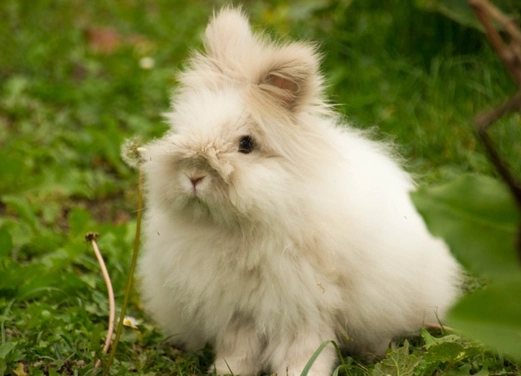
Best Foods for Angora Mix Rabbits
Base their diet on unlimited hay—timothy hay is ideal. Add fresh greens like romaine lettuce and herbs, but introduce slowly to avoid digestive upset. Pellets should be limited: about 1/4 cup per 5 pounds of body weight daily. I learned this the hard way when Whiskers gained weight from too many pellets, leading to grooming difficulties.
Here's a quick table for reference:
| Food Type | Daily Amount | Notes |
|---|---|---|
| Hay (Timothy) | Unlimited | Essential for digestion and fur health |
| Fresh Vegetables | 1-2 cups | Introduce one at a time; avoid iceberg lettuce |
| Pellets (High-fiber) | 1/4 cup per 5 lbs | Choose brands with at least 18% fiber |
| Treats (e.g., fruit) | Sparingly | Once or twice a week; high sugar content |
Water is critical—use a heavy bowl, not just a bottle, to encourage drinking. Dehydration can cause fur blockages in the gut.
Keeping Them Healthy: Common Concerns and Prevention
Angora mixes are prone to specific health issues, mostly linked to their fur. GI stasis is a big one—when hair builds up in the stomach. Regular grooming reduces this risk, but it's not foolproof.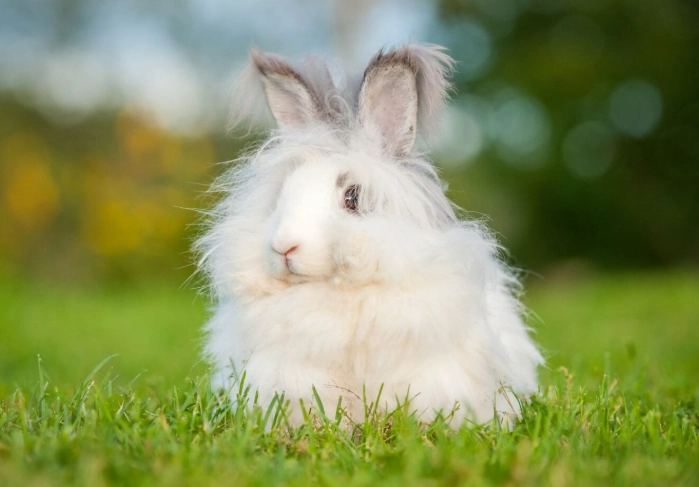
Common Health Issues and Early Signs
Watch for signs like reduced appetite, small or no droppings, and lethargy. These could indicate GI stasis. I've rushed Whiskers to the vet twice for this; early intervention with fluids and motility drugs saved her. Other issues include wool block (fur ingestion) and dental problems from inadequate hay.
Prevention tips: Provide plenty of hay to aid digestion, and consider a weekly fur supplement like papaya enzyme tablets, though consult your vet first. Regular vet check-ups are non-negotiable—aim for at least once a year.
Skin infections can arise from wet or dirty fur. Keep their living area dry and clean. If you notice redness or bald patches, seek vet advice immediately.
Understanding Their Behavior: Bonding and Enrichment
Angora mixes aren't just pretty faces; they have personalities. Many are calm but can be stubborn. Bonding takes patience—don't force it.
Start by spending quiet time near their enclosure. Offer treats from your hand to build trust. I found that Whiskers loved gentle chin scratches, but hated being picked up. Respect their boundaries; it strengthens the bond.
Enrichment is key to prevent boredom, which can lead to over-grooming or fur chewing. Provide toys like cardboard tubes, willow balls, and puzzle feeders. Rotate toys weekly to keep things fresh.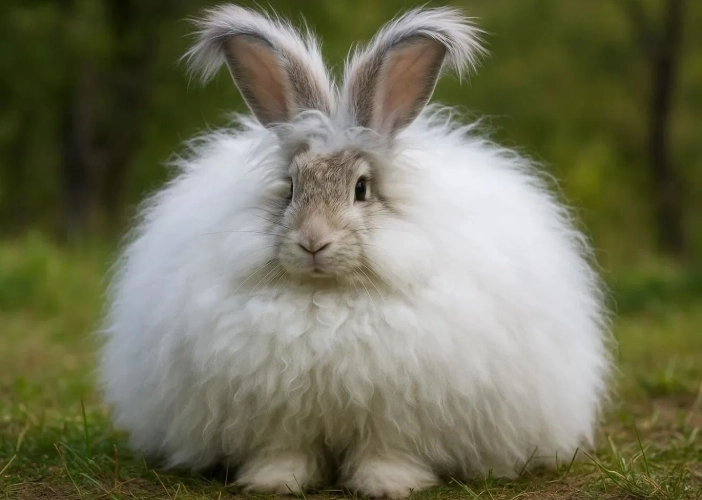
Social needs vary. Some Angora mixes do well with rabbit companions, but introduce slowly under supervision. Others prefer human company. Observe your rabbit's cues.
Your Angora Mix Rabbit Questions Answered
Wrapping up, caring for an Angora mix rabbit is a rewarding journey with unique challenges. Focus on consistent grooming, a balanced diet, and proactive health checks. Learn from your rabbit's individual traits—no guide can replace observation. Share your experiences in the comments; we're all learning together.
Reader Comments