If you just brought home a bunny, you're probably staring at those twitching noses and wondering what to feed them. The cartoon image of a rabbit munching on a carrot is everywhere, but here's the truth right off the bat: a rabbit's absolute favorite and most essential food isn't a carrot, or lettuce, or even those colorful pellets from the pet store. It's hay. Plain, simple, fibrous hay should make up about 80-90% of their diet. I learned this the hard way years ago when my first rabbit, Thumper, developed dental problems because I was too heavy-handed with the "treats." Getting their diet right isn't just about preference; it's about preventing serious, painful health issues.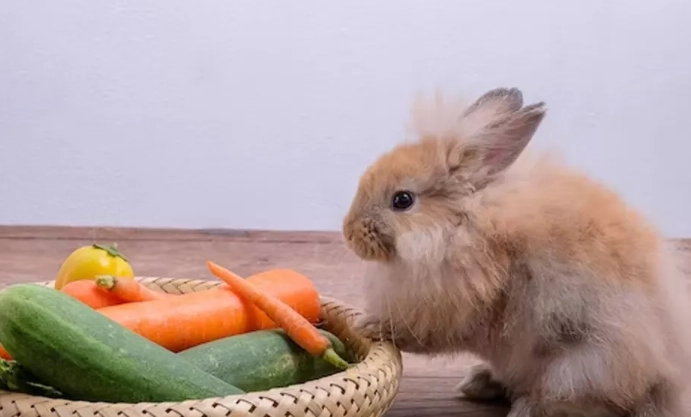
Quick Bites: What's Inside
Why Hay is the Non-Negotiable Cornerstone of a Rabbit's Diet
Think of hay as the rabbit equivalent of whole-grain bread for humans—it's the staple. The primary reason is their digestive system. Rabbits are hindgut fermenters, meaning they need a constant flow of high-fiber material to keep their gut moving. If the gut slows down, it can lead to gastrointestinal stasis, a life-threatening condition. The second reason is dental. Rabbit teeth grow continuously, and the abrasive action of chewing hay grinds them down naturally. Without enough hay, their teeth can overgrow, causing abscesses and making eating painful.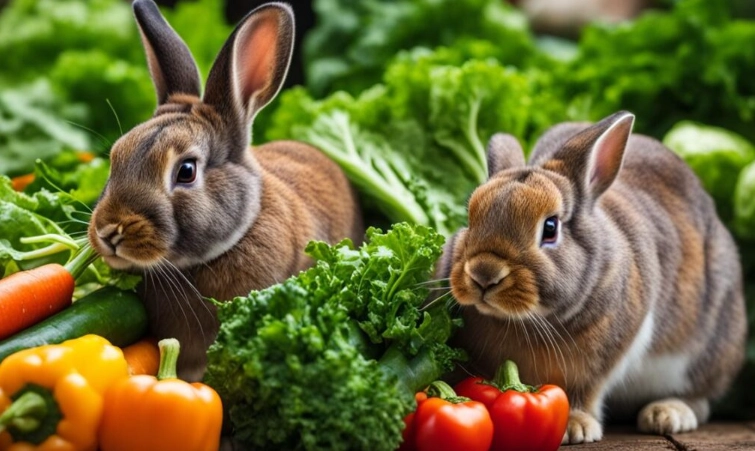
You'll see two main types: grass hay (like Timothy, Orchard, Meadow) and legume hay (like Alfalfa). For most adult rabbits, grass hay is the go-to. Alfalfa is richer in protein and calcium, which is great for growing kits (baby rabbits) but can lead to obesity and bladder sludge in adults. I always keep a mix of Timothy and a bit of Orchard grass for variety—bunnies get bored too!
How much? An unlimited supply. Their hay rack should never be empty. A good rule of thumb is they should eat a pile of hay roughly the size of their own body every day. If you find they're not eating enough hay, it's often because they're filling up on pellets or treats. Cut those back.
The Safe Veggie & Fruit Buffet: What Rabbits Actually Enjoy
This is where we get to the "favorite" part. After hay, fresh leafy greens are the next most important component. They provide moisture, vitamins, and enrichment. Fruits are pure treats—think of them as candy. You have to be strict with portions.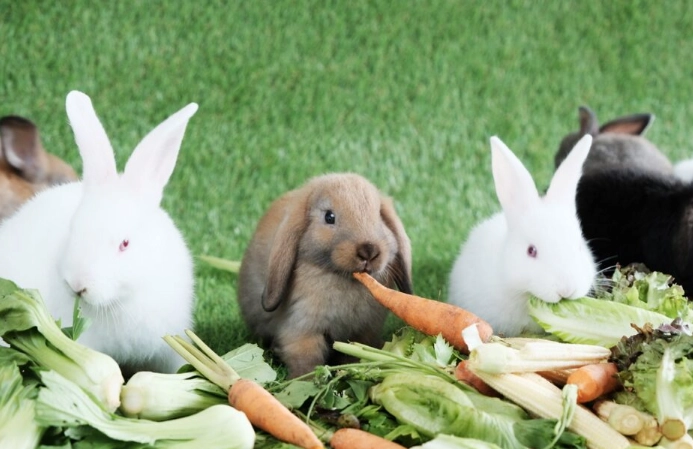
I like to break it down into daily staples and occasional treats. A general guideline is about 1 cup of packed greens per 2 lbs of body weight daily, fed in one or two servings.
| Food Type | Examples (Rabbit-Approved!) | How Often & How Much | Why Rabbits Love It |
|---|---|---|---|
| Daily Leafy Greens | Romaine lettuce, Green/Red leaf lettuce, Spring greens, Kale (sparingly), Arugula, Cilantro, Basil, Mint, Dandelion greens (yes, from your pesticide-free yard!) | Daily, 1 cup per 2 lbs body weight. Rotate 2-3 types. | High in fiber and water, low in sugar. The variety in taste and texture keeps meals interesting. |
| Occasional Veggies | Bell peppers (any color, seeds removed), Broccoli (florets only, can cause gas), Carrot tops (the greens, not the root!), Brussels sprouts | 2-3 times a week, a small piece (e.g., one slice of pepper). | Provides different nutrients. Bell peppers are a vitamin C boost. |
| Fruit Treats | Apple (no seeds), Banana, Blueberries, Strawberry (top and all), Pear, Peach | 1-2 times a week, a teaspoon-sized amount. Banana is especially sugary—a slice the size of your thumbnail is plenty. | High in natural sugars. This is the equivalent of their dessert, and they will go crazy for it. |
Notice carrots are in the "occasional" category, not daily. The orange root is high in sugar. The green tops, however, are fantastic daily greens. A non-consensus point here: many lists say parsley is a daily green, but it's high in oxalates. I give it once or twice a week at most to avoid potential kidney stress, especially in older bunnies.
Foods That Are Dangerously Toxic to Rabbits: A Must-Know List
This is critical. Some common human and even other pet foods can make a rabbit severely ill or be fatal. Their digestive systems are not built to handle grains, starches, or certain compounds.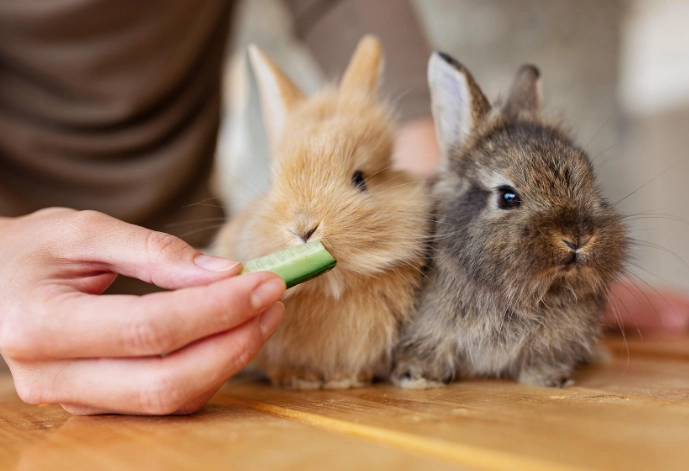
- Allium Vegetables: Onions, garlic, leeks, chives. These cause oxidative damage to red blood cells.
- Iceberg Lettuce: It's not "toxic" per se, but it's mostly water with lactucarium, which can cause diarrhea and offers no nutritional value.
- Grains & Legumes: Bread, crackers, cereal, beans, peas, corn (the kernel and the cob are a major choking/blockage hazard).
- Nuts & Seeds: Too high in fat and can cause digestive upset.
- Chocolate, Candy, Coffee: Theobromine and caffeine are highly toxic to them.
- Meat or Dairy: They are strict herbivores.
- Houseplants: Many, like lilies, philodendron, and pothos, are poisonous. Assume all houseplants are unsafe.
If you suspect your rabbit has eaten something toxic, contact your vet or an emergency animal poison control center like the ASPCA immediately. Don't wait for symptoms.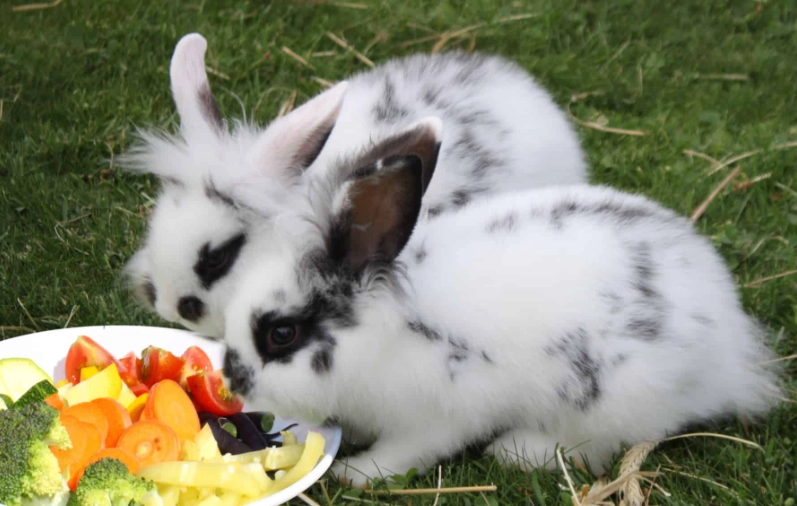
How to Introduce New Foods to Your Rabbit's Bowl
Rabbits have sensitive guts. Introducing a new food too quickly is a recipe for soft stools or worse. The golden rule: one new food at a time, in a tiny amount.
Here's my step-by-step method that's worked for years:
- Day 1-3: Offer a piece about the size of your thumbnail. I usually hand-feed it to build positive association.
- Observe: Check their poop for the next 24 hours. It should remain firm, round, and plentiful. If it gets soft, mushy, or they stop pooping, stop the new food immediately and go back to just hay for a day.
- Gradual Increase: If all is well after 3 days, you can very slowly increase the amount over the next week until it reaches a normal portion size for that food type.
- Keep a Log: I'm serious. Jot down what you introduced and when. If digestive issues pop up later, this log is a lifesaver for you and your vet.
Some rabbits are just more sensitive than others. One of my current bunnies can't handle kale at all, while the other devours it with no issue. You have to learn your individual pet's tolerances.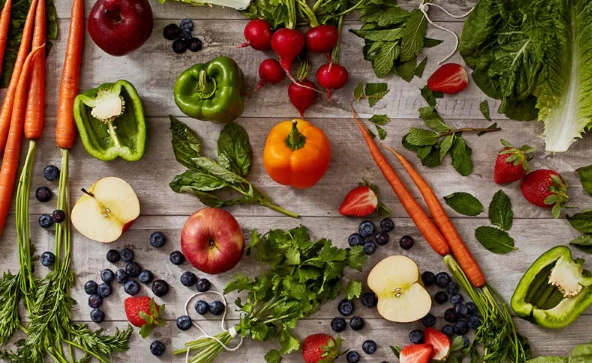
Your Rabbit Diet Questions, Answered
Reader Comments