You’re chopping vegetables for dinner, and those big, curious bunny eyes are watching your every move. It’s tempting to share a scrap. But wait—is that safe? Knowing what rabbits are not allowed to eat isn't just about a list; it's about understanding their unique, delicate digestive systems. A rabbit's gut is a finely tuned fermentation vat, and the wrong ingredient can shut the whole system down, sometimes fatally. I learned this the hard way years ago when a well-meaning guest fed my first rabbit, Thumper, a piece of cracker. The resulting GI stasis was a terrifying and expensive lesson. This guide goes beyond the basic "no chocolate" rule. We'll dive into the why behind the dangers, cover the often-overlooked toxic items, and give you a clear action plan for emergencies.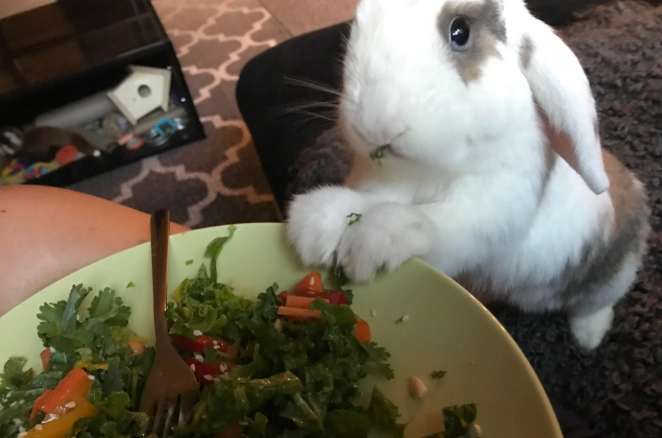
Your Quick Guide to Rabbit Food Safety
- The "Big Three" Toxins Every Owner Must Know
- Dangerous Vegetables, Fruits, and Household Plants
- Common Human Food Traps to Avoid
- Why These Foods Harm Rabbits: A Simple Explanation
- Emergency Action: What to Do If Your Rabbit Ate Something Toxic
- Building a Safe Diet: What Rabbits *Should* Eat
- Expert FAQ: Your Top Questions Answered
The "Big Three" Toxins Every Owner Must Know
These are the non-negotiables. Even small amounts can be deadly, and they're more common in homes than you think.
1. Allium Vegetables (Onions, Garlic, Leeks, Chives)
This is the number one mistake I see. People think, "It's a vegetable, how bad can it be?" The answer is: very. Alliums contain N-propyl disulfide, which destroys a rabbit's red blood cells, leading to hemolytic anemia. It's a slow poison. A tiny piece of garlic bread or some onion scraps mixed into salad greens might not cause immediate symptoms, but over days, your bunny becomes weak, lethargic, and pale. The damage is often irreversible by the time you notice.
2. Chocolate & Caffeine
Yes, rabbits have a sweet tooth, and the theobromine and caffeine in chocolate are potent stimulants for their small bodies. It affects their heart and nervous system. Dark chocolate and baking chocolate are the most concentrated, but any amount is a risk. The first signs are hyperactivity, rapid breathing, and tremors, quickly progressing to seizures.
3. Iceberg Lettuce & Other Lactucarium Risks
Here’s a controversial one that many general pet sites get wrong. Iceberg lettuce isn't "toxic" in the same way as poison. The problem is twofold. First, it contains lactucarium, a milky fluid that can be a mild sedative and GI irritant. Second, and more importantly, its nutritional value is near zero—it's just water and fiber. Feeding it fills up your rabbit without providing nutrients, leading to an imbalanced diet and potential gut slowdown. Romaine, green leaf, and red leaf lettuce are far safer choices.
Dangerous Vegetables, Fruits, and Household Plants
The rabbit world is full of seemingly innocent greens that hide dangers. This list isn't exhaustive but covers the most common offenders.
- Potatoes (Raw) & Tomato Leaves/Vines: Part of the nightshade family. Raw potatoes and the green parts of tomato plants contain solanine, a glycoalkaloid poison. The ripe tomato fruit itself is safe in small amounts, but never the plant.
- Rhubarb Leaves: Extremely high in oxalic acid, which can cause kidney damage and tremors.
- Avocado: Contains persin, a fungicidal toxin. All parts—skin, flesh, pit—are dangerous and can cause respiratory distress and heart failure.
- Stone Fruit Pits & Seeds: Apple seeds, and the pits of peaches, plums, cherries, and apricots contain cyanogenic glycosides, which can release cyanide when chewed. The fleshy fruit is fine, but always remove seeds and pits.
- Houseplants: Many are toxic. Lilies are often fatal. Pothos, philodendron, dieffenbachia, and sago palms are also major risks. Always check the ASPCA's toxic plant list before bringing a new plant home.
Common Human Food Traps to Avoid
We project our diets onto our pets. What's a treat for us is often a toxin for them.
Grains, Bread, Pasta, Cereal: Rabbits cannot process high amounts of starch and complex carbohydrates. These foods cause a rapid, unhealthy shift in their gut bacteria, leading to painful gas, bloating, and life-threatening GI stasis. That "cute" video of a rabbit eating a Cheerio? It's setting a bad example.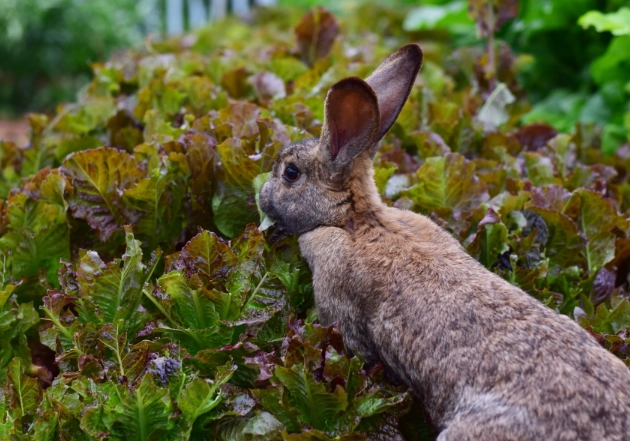
Nuts & Seeds: Too high in fat and protein for a herbivore's system. They can cause obesity and hepatic lipidosis (fatty liver disease).
Yogurt Drops & Commercial "Treats": This is a huge pet peeve of mine. Most yogurt drops sold for rabbits are pure sugar, dairy, and artificial junk. Rabbits are lactose intolerant after weaning. These treats are a direct ticket to digestive upset and tooth decay. Stick to a tiny piece of fresh fruit as a rare treat instead.
Meat, Eggs, Dairy: Rabbits are strict herbivores. Their digestive tract lacks the enzymes to break down animal protein and fat. Feeding these can cause severe kidney strain and digestive shutdown.
Why These Foods Harm Rabbits: A Simple Explanation
Think of a rabbit's digestive system as a one-way, high-efficiency conveyor belt. Food goes in, gets fermented in the cecum (a large pouch), and the nutritious cecotropes are re-ingested. It's a delicate bacterial ecosystem.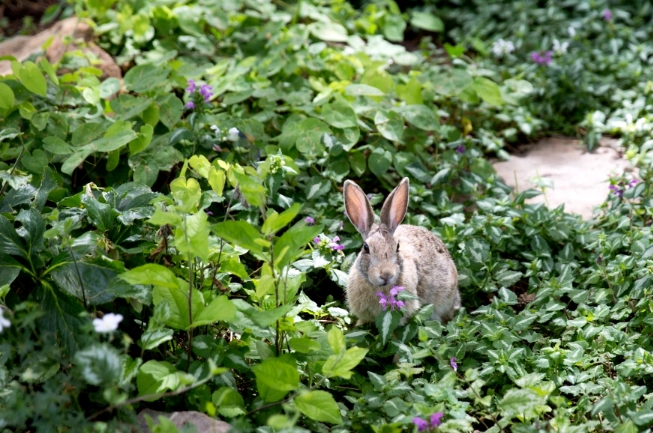
Toxic foods like alliums directly poison the blood. High-starch/sugar foods (bread, treats) feed the wrong bacteria, causing a gas-producing explosion that stops the conveyor belt (GI stasis). High-fat foods (nuts) overwhelm the liver. Foods with wrong compounds (oxalic acid in rhubarb) damage organs as they're processed.
The common thread? A rabbit's metabolism didn't evolve to handle these substances. There's no safe "little bit."
Emergency Action: What to Do If Your Rabbit Ate Something Toxic
Don't panic, but act quickly. Time is critical.
- Identify and Isolate: Figure out what and how much they ate. Remove any remaining toxic material.
- Call Your Vet Immediately: This is not a "wait and see" situation. Call your exotic/small animal vet. If after hours, call the nearest emergency vet clinic. Describe the substance and the approximate amount.
- Do NOT Induce Vomiting: Rabbits are physically incapable of vomiting. Attempting this is dangerous and futile.
- Follow Professional Advice: Your vet may tell you to come in immediately or may give you instructions to monitor specific symptoms. Have a carrier ready.
Building a Safe Diet: What Rabbits *Should* Eat
Knowing the dangers is half the battle. The other half is providing a diet so good they aren't tempted by unsafe scraps.
Unlimited Grass Hay (80-90% of diet): Timothy, orchard, oat hay. This is non-negotiable. It provides the essential fiber to keep their gut moving and teeth worn down.
Fresh Leafy Greens (1-2 cups daily): Romaine lettuce, kale (in moderation), cilantro, parsley, dandelion greens, bok choy, carrot tops. Rotate for variety.
Limited Pellets (1/4 cup per 5 lbs): High-fiber, timothy-based pellets only. Avoid mixes with seeds, nuts, or colored bits.
Treats (Sparingly): A thin slice of apple, a blueberry, a small piece of banana. Fruit is high in sugar—think of it as candy.
Fresh, clean water must be available at all times, changed daily.
Reader Comments