If you're asking "what is the best thing to feed rabbits?", the short, non-negotiable answer is this: unlimited, high-quality grass hay. Forget the colorful bags of treats at the pet store or the idea of a bowl full of pellets. The cornerstone of a healthy rabbit diet is boring, fibrous, and essential. I've been keeping rabbits for over a decade, and the single biggest mistake I see new owners make is underestimating hay. They treat it like a side dish when it's the main course, the digestive regulator, and the dental plan all rolled into one.
Getting rabbit nutrition wrong doesn't just lead to a picky eater; it leads to expensive vet bills for GI stasis and dental malocclusion. This guide will break down the exact hierarchy of a rabbit's diet, give you specific brands and quantities, and point out the subtle mistakes even experienced owners sometimes make.
Your Quick Feeding Guide
The Hay Foundation: Why It's Non-Negotiable
Hay should make up about 80-90% of your rabbit's diet. It's not an exaggeration. Their digestive systems are designed for a near-constant intake of high-fiber material. The fiber keeps everything moving, prevents hairballs from causing blockages, and, crucially, grinds down their ever-growing teeth.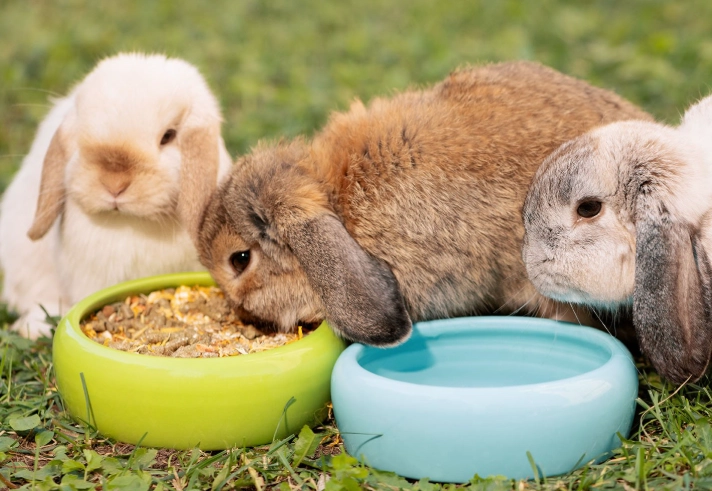
Here’s a breakdown of the main types and when to use them:
| Hay Type | Best For | Notes & Tips |
|---|---|---|
| Timothy Hay | All adult rabbits. The gold standard. | Look for green, fragrant, long-strand hay. Avoid dusty, brown, or stemmy batches. Brands like Oxbow and Small Pet Select are consistently good, but I’ve found fantastic local farm hay that’s cheaper and fresher. |
| Orchard Grass | Rabbits allergic to Timothy, or as a variety. | Softer and often more palatable. A great alternative with similar fiber content. |
| Oat Hay | Adding variety and encouraging picky eaters. | Has tasty seed heads that rabbits love. Use as a supplement, not the main hay, as it can be lower in fiber. |
| Alfalfa Hay | Only baby rabbits, pregnant/nursing does, or underweight adults. | High in calcium and protein. Feeding this to a healthy adult rabbit is a common error that can lead to bladder sludge and obesity. |
How Much Hay Do Rabbits Need?
A simple rule: a pile roughly the size of their body every single day. I use a large hay rack, but I also scatter a big handful directly in their litter box (rabbits naturally graze while they poop) and in a cardboard box for foraging. The key is accessibility. If the hay is hard to get to, they'll eat less of it.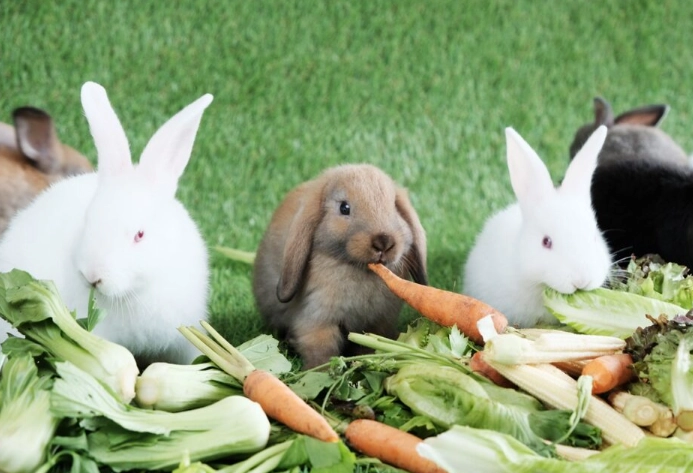
Pro Tip from the Hay Aisle: Don't just buy the first bag you see. Squeeze it. Good hay should spring back, not crumble to dust. Smell it. It should smell sweet and grassy, like a dry summer meadow, not musty or stale. Bad hay is worse than no hay—it can cause respiratory issues.
Pellets & Greens: The Supporting Cast
This is where most confusion lies. Pellets are a supplement, not a staple. Think of them as a daily vitamin pill, not a meal.
Choosing the Right Pellets
Avoid the colorful mixes with seeds, corn, and dried fruit like the plague. These are junk food and a leading cause of selective feeding (they pick out the treats and leave the healthy bits). You want a plain, uniform, Timothy hay-based pellet.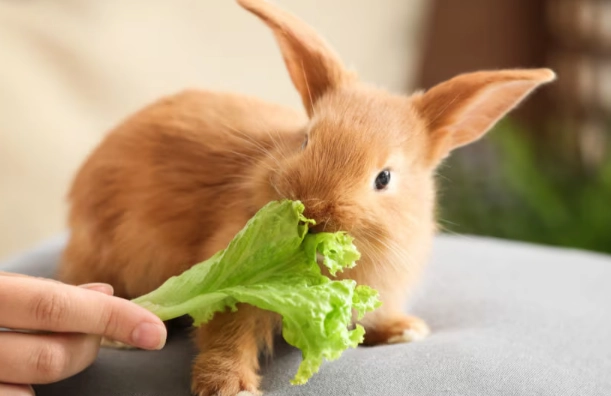
What to look for on the bag: - Fiber: >18% (the higher, the better) - Protein: 12-14% for adults - Fat:
Brands like Oxbow Essentials or Science Selective Rabbit are reliable. The House Rabbit Society, a fantastic resource, has detailed guidelines on pellet composition that I've always trusted.
How Many Pellets?
For a standard 5-6 lb adult rabbit, you're looking at about 1/4 cup per day. Yes, that's all. For dwarf breeds, even less. Overfeeding pellets is the number one reason rabbits become hay-snubbing, overweight prima donnas.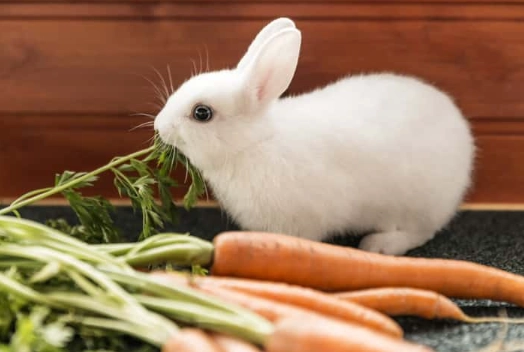
The Fresh Greens: The Daily Salad
This is the fun part. A daily handful of dark, leafy greens provides moisture, vitamins, and enrichment. Introduce new greens one at a time and in small amounts to avoid upsetting their stomach.
Excellent Daily Greens: Romaine lettuce, green leaf/red leaf lettuce, cilantro, parsley, carrot tops, dandelion greens (untreated!), bok choy, kale (in moderation due to calcium).
Treat Veggies (Feed 1-2 times a week): Carrot (it's a treat, not a daily staple!), bell pepper, broccoli florets, zucchini.
A good salad portion is about 1 packed cup per 2 lbs of body weight. I wash everything, spin it dry (soggy greens can cause issues), and mix a couple of types together.
The No-Go List: Dangerous & Harmful Foods
Some foods are toxic. Others are just terrible for their unique digestion. This list isn't exhaustive, but it covers the major offenders.
Never, Ever Feed: Allium vegetables (onions, garlic, leeks), iceberg lettuce (it's mostly water and can cause diarrhea), potatoes, rhubarb, seeds/pits from fruits, chocolate, candy, yogurt drops (marketed for rabbits but full of sugar and dairy—rabbits are lactose intolerant!), most human cereals or bread.
The Fruit Dilemma: Fruit is pure sugar to a rabbit. A tiny piece of apple (no seeds), banana, or berry is a fine treat once or twice a week. I mean tiny—a thumbnail-sized piece of banana is plenty. More than that and you're asking for an imbalanced cecum and a sugar-addicted bunny.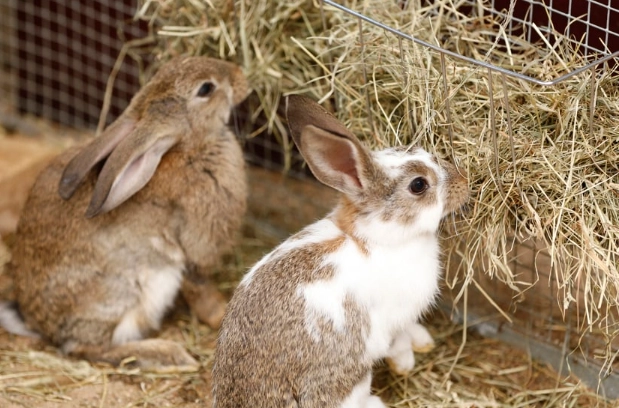
Putting It All Together: A Sample Feeding Schedule
Let's make this concrete. Here’s what a day looks like for my 6-pound rabbit, Mochi:
Morning (7 AM): I refresh his hay rack and litter box hay. He gets his full daily allowance of 1/4 cup of Oxbow pellets in a slow-feeder bowl (slows him down).
Evening (6 PM): This is "salad time." He gets a big mixing bowl with romaine, a few sprigs of cilantro, and a carrot top. The crunching is immensely satisfying to hear. I check his hay and top it off if needed—it should always be available.
Treats: Maybe twice a week, I'll slip him a blueberry or a sliver of apple during our training session. The key is frequency and size.
Water, of course, is available 24/7 from a heavy ceramic bowl (I prefer bowls over bottles as they allow a more natural drinking posture).
Your Rabbit Feeding Questions Answered
So, what's the best thing to feed rabbits? It's a system, not a single magic food. Unlimited hay is the non-negotiable foundation. Quality pellets are a measured supplement. Fresh greens are the daily joy. And everything else is just occasional trimming. Get this balance right, and you're not just feeding your rabbit; you're building the foundation for a long, healthy, and hoppy life.
Reader Comments