Let's be honest. When you first brought your bunny home, you probably grabbed a bag of colorful pellets and a bag of something labeled "rabbit food" from the pet store. I did the same thing with my first rabbit, Thumper, over a decade ago. It took a costly vet visit for GI stasis to learn that a proper rabbit diet at home is simpler, cheaper, and wildly different from what most marketing suggests.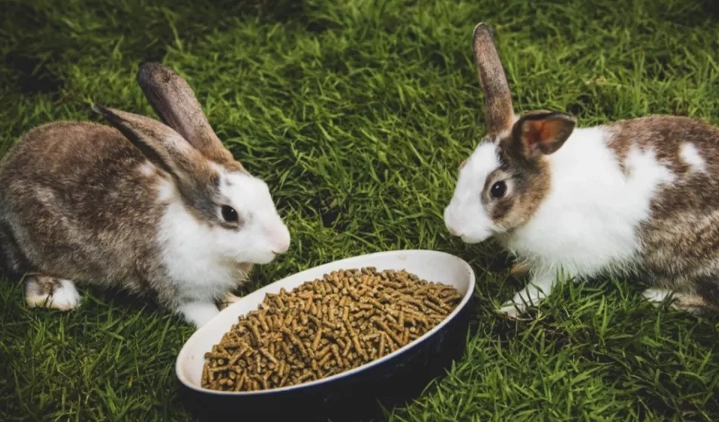
Feeding your rabbit correctly isn't just about filling a bowl. It's about mimicking their natural foraging behavior and supporting a digestive system that's a high-performance, non-stop fermentation factory. Get it wrong, and you're looking at expensive vet bills, a miserable bunny, and a shortened lifespan. Get it right, and you'll have a vibrant, energetic companion for years.
What’s Inside?
The One Thing Your Rabbit's Diet Can't Live Without
Hay. It's that simple. If you remember nothing else from this guide, remember that unlimited, high-quality grass hay should constitute 80-90% of your rabbit's diet. Not pellets. Not vegetables. Hay.
Why is hay so non-negotiable?
First, it's essential for dental health. Rabbit teeth grow continuously, about 2-3mm per week. Chewing the long, fibrous strands of hay grinds them down naturally. Without this constant abrasion, their teeth can overgrow, causing painful spurs, abscesses, and an inability to eat.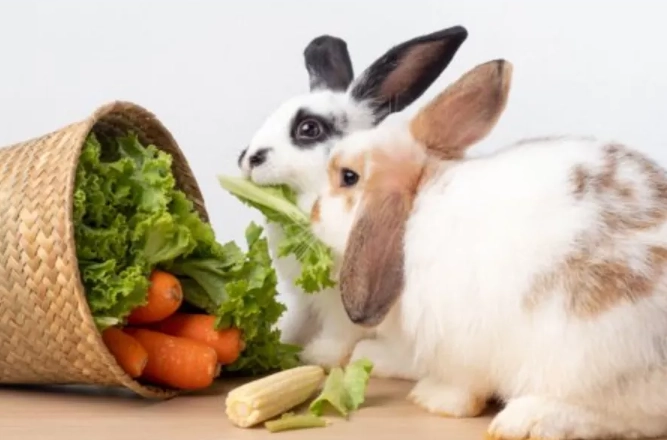
Second, and arguably more critical, is gut motility. A rabbit's digestive system is designed to be constantly moving. The high fiber in hay keeps everything pushing through. When a rabbit stops eating hay, their gut slows down, leading to gastrointestinal (GI) stasis—a life-threatening condition where the digestive system shuts down. The House Rabbit Society calls hay the "most important" part of a rabbit's diet for this exact reason.
So, what kind of hay?
- Timothy Hay: The gold standard for adult rabbits. It's high in fiber, lower in protein and calcium, perfect for maintaining weight and health.
- Orchard Grass or Meadow Hay: Excellent alternatives if your rabbit is picky about Timothy. Similar nutritional profile, sometimes a softer texture.
- Oat Hay: Can be a nice variety, often includes the tasty oat tops as a bonus.
- Alfalfa Hay: This is for babies (under 7 months), pregnant/nursing does, or underweight rabbits needing a boost. It's too rich in protein and calcium for healthy adults and can lead to obesity and urinary sludge.
My current rabbit, Luna, turned her nose up at three different brands of Timothy before she settled on one from a specific farm. Don't be afraid to experiment. The best hay is the one your rabbit will eat in massive quantities. It should smell sweet and grassy, not dusty or moldy.
Beyond the Bag: Building a Fresh Food Routine
Fresh vegetables are the vitamin and hydration boost to the hay foundation. Think of them as daily supplements, not the main course. A good rule of thumb is about 1 packed cup of fresh veggies per 2 lbs of body weight daily.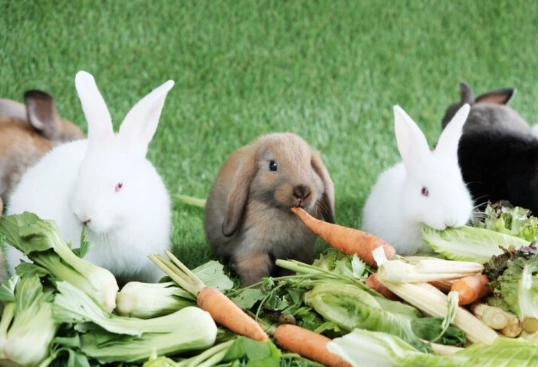
Pro Tip: Always introduce new vegetables one at a time and in very small amounts. Wait 24 hours to monitor for soft stools. A sudden salad buffet is a surefire way to upset a sensitive bunny stomach.
Here’s a breakdown of what to reach for and what to avoid. I like to think in categories:
Leafy Greens (The Daily Staples)
These should make up about 75% of the veggie portion. Rotate through 2-3 different kinds each day.
- Romaine, Green/Red Leaf, Butter Lettuce (Not iceberg—it's mostly water and low in nutrients)
- Arugula
- Spring Mix (check for spinach, use sparingly)
- Bok Choy
- Cilantro, Parsley, Mint, Basil
- Dandelion Greens (a huge hit with most bunnies, just ensure they're pesticide-free)
- Kale, Spinach, Mustard Greens (High in oxalates/calcium. Feed in moderation, 1-2 times a week)
Non-Leafy Veggies (The Add-Ins)
These add variety and different nutrients. Offer a few pieces mixed in with the greens.
- Bell Peppers (any color, seeds removed)
- Broccoli Florets (stems are great too, start small—it can be gassy)
- Brussels Sprouts (one small one at a time)
- Carrot Tops (yes! The greens are fantastic. The carrot root is a treat.)
- Celery (cut into small pieces to avoid stringy fibers causing choking)
- Zucchini, Cucumber (great for hydration)
Danger Zone: Never feed onions, leeks, garlic, potatoes, rhubarb, avocado, or any beans/legumes. These are toxic to rabbits. Also avoid corn and seeds.
Washing and Prep: The Step Everyone Skips
Just rinsing under the tap isn't enough. I wash all greens in a bowl of water with a splash of white vinegar, then rinse thoroughly. It helps remove pesticides and potential pathogens like E. coli. Dry them in a salad spinner or with a towel. Wet greens can cause diarrhea. It's a five-minute task that prevents big problems.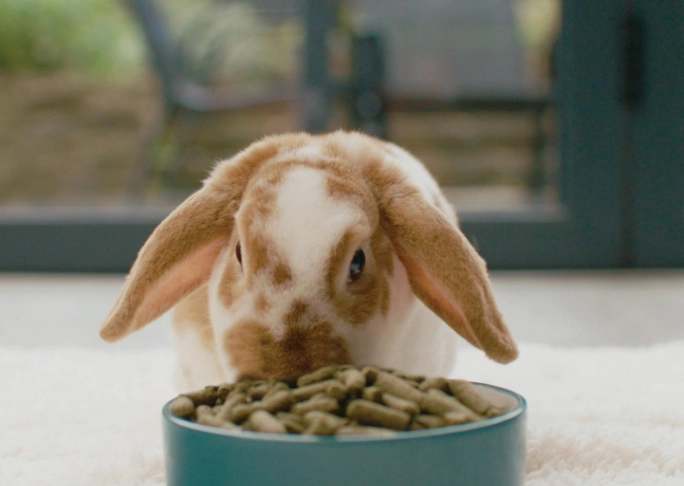
Pellets & Treats: The Supporting Cast (Not the Star)
Here's the non-consensus view most pet stores won't tell you: A healthy, hay-eating adult rabbit does not technically need pellets. They are a convenient supplement, not a necessity. If you do feed pellets, their role is to fill any tiny nutritional gaps, not to be the primary food source.
Choosing the right pellet is critical. Dump out that bag with colorful seeds, corn, and crunchy bits. That's junk food.
| What to LOOK FOR | What to AVOID |
|---|---|
| Timothy hay-based (for adults) | Alfalfa-based (for adults) |
| High fiber (18% minimum, 20%+ is better) | Low fiber ( |
| Low protein (12-14%) | High protein (>16%) |
| Low fat (2-3%) | High fat (>4%) |
| Simple, uniform pellets (just compressed hay/grass) | Seeds, nuts, colored bits, dried fruit, corn |
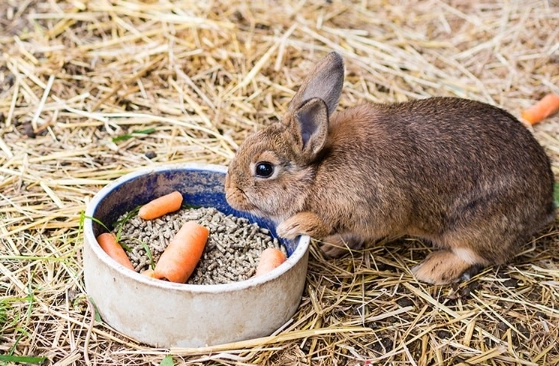
How much? This is where most people overfeed. For a standard 5-6 lb adult rabbit, a mere 1/4 cup of plain timothy pellets per day is sufficient. Yes, only a quarter cup. Measure it. Overfeeding pellets is the #1 cause of obesity and leads to them ignoring their hay.
Treats should be just that—a treat. Think one blueberry, a one-inch slice of banana, a single raspberry, or a small piece of apple (no seeds) 2-3 times a week. Carrot? It's high in sugar. A couple of baby carrot sticks is a treat, not a daily vegetable. Store-bought "yogurt drops" or seed sticks are pure sugar and fat; avoid them.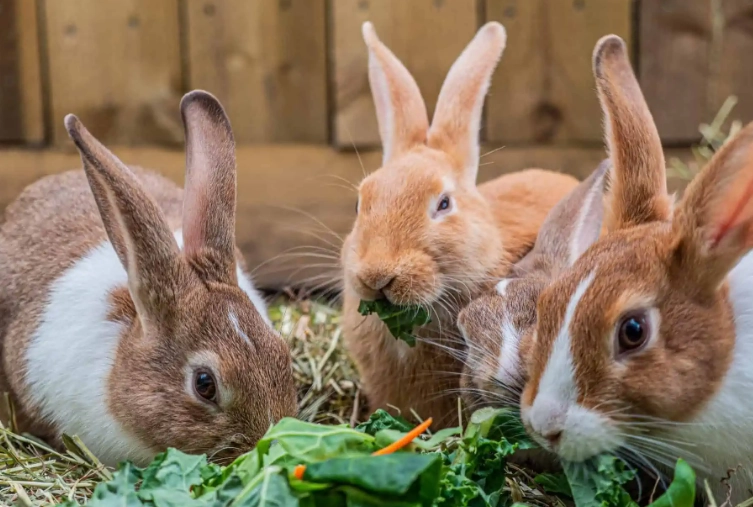
The best treats are often free: a sprig of fresh basil from your window sill, a dandelion flower from the pesticide-free yard, or a small piece of dried apple you dehydrated yourself.
5 Common Mistakes Even Experienced Owners Make
After years in rabbit rescue groups, I see these patterns repeatedly.
1. The Pellet Bowl is Always Full. This teaches rabbits to be picky. They'll wait for the tasty pellets and neglect the hay. Feed pellets once a day, in a measured amount, and take the bowl away after a few hours.
2. Not Providing Enough Hay Access Points. One small hay rack isn't enough. Rabbits graze while they poop, play, and lounge. Put piles of hay in their litter box (it encourages good habits), in cardboard boxes, in paper bags—make it impossible for them not to munch.
3. Assuming "Greens" Means Just Lettuce. Variety is key for a full spectrum of nutrients. Romaine every single day is boring and nutritionally incomplete. Rotate, rotate, rotate.
4. Switching Foods Too Quickly. A new bag of hay, a different pellet brand, a sudden introduction of kale—any rapid change can disrupt gut flora. Transition over 7-10 days by slowly mixing the new with the old.
5. Ignoring Water Source. A heavy ceramic bowl is better than a bottle. It allows for a more natural drinking posture and greater water intake, which is crucial for kidney and digestive health. Change the water daily, scrub the bowl weekly.
Your Rabbit Food Questions, Answered
Feeding your rabbit at home isn't about fancy mixes or expensive supplements. It's about returning to basics: endless hay, a rotating cast of fresh greens, a tiny scoop of plain pellets, and the very occasional sweet bite. It's the simplest, most effective recipe for a long, hoppy life together.
Reader Comments