Yes, a Flemish Giant rabbit can absolutely be a pet. But that simple answer hides a world of responsibility. It's not like getting a hamster. It's closer to committing to a medium-sized dog that doesn't bark, has continuously growing teeth, and can live over 10 years. I've cared for rabbits, including larger breeds, for years, and the number one mistake I see is people falling for the "gentle giant" image without seeing the logistics behind those soulful eyes.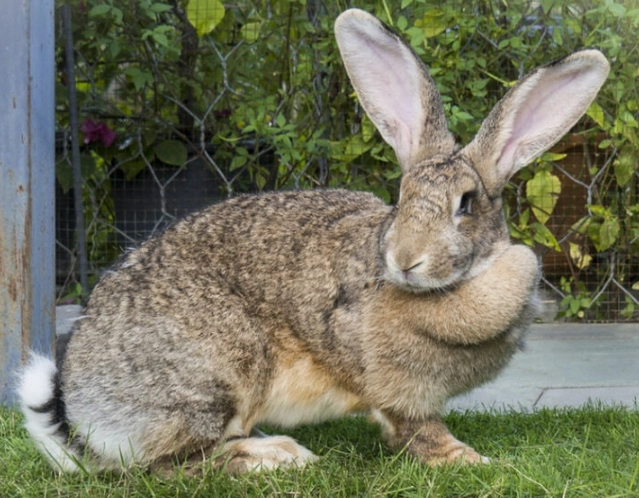
Let's cut to the chase. If you want a pet you can ignore in a hutch in the backyard, stop reading now. A Flemish Giant deserves—and frankly, demands—more. This guide won't just tell you they need space; we'll calculate how much. We won't just say they eat a lot; we'll break down the monthly budget. We'll talk about the joy of a 15-pound bunny flopping next to you on the couch, and the panic of a midnight GI stasis emergency.
Your Quick Guide to Giant Rabbit Ownership
- What Exactly is a Flemish Giant Rabbit?
- The Flemish Giant Temperament: Are They Really Gentle Giants?
- The Non-Negotiable: Space Requirements for a Flemish Giant
- Feeding Your Flemish Giant: It's Not Just About Quantity
- Health and Lifespan: Keeping Your Giant Healthy
- The Real Cost of a Flemish Giant Rabbit
- Flemish Giant Rabbit Care Checklist
- Frequently Asked Questions (FAQ)
What Exactly is a Flemish Giant Rabbit?
We're not talking about a slightly big bunny. The Flemish Giant is the largest recognized breed of rabbit. According to the American Rabbit Breeders Association (ARBA) standard, there's no upper weight limit. Bucks (males) typically hit at least 13 pounds, with does (females) starting around 14 pounds. It's common for well-cared-for adults to reach 18-22 pounds. I've met one that was a solid 25 pounds—the size of a small terrier.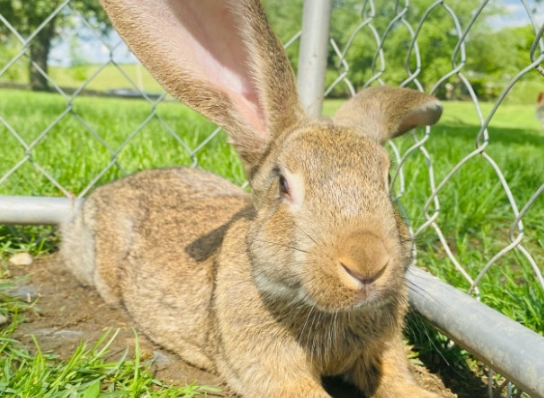
Their history is a bit murky, possibly originating from old Flemish landrace breeds. They were first imported to America in the early 1890s. While initially raised for meat and fur, their calm demeanor made them transition into show animals and, eventually, beloved pets. You'll see them in several solid colors like black, blue, fawn, light gray, sandy, steel gray, and white.
The first thing you notice isn't just the weight, it's the frame. They have a massive, semi-arch body type, powerful hindquarters, and broad heads. Picking one up requires proper technique to support their entire backend—failure to do so can cause them to kick out and seriously injure their spine.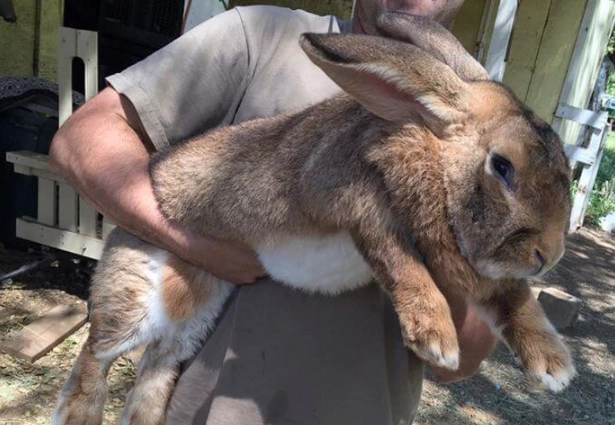
The Flemish Giant Temperament: Are They Really Gentle Giants?
The "gentle" label is generally accurate, but it's a calm, docile gentleness, not necessarily a cuddly one. Think of a stoic, relaxed companion rather than a lapdog. Due to their size, they often feel more confident and less skittish than smaller rabbits. They're less likely to bolt at every sound, which makes them seem more laid-back.
However, personality varies. Does can be more territorial, especially if unspayed. Bucks are often more consistently mellow. A common misconception is that their size makes them ideal for rough handling by kids. Actually, the opposite is true. Their bones are dense but still susceptible to injury if dropped or squeezed. They also greatly prefer interaction on their own terms, usually on the floor. Forcing a cuddle session with a 20-pound animal that doesn't want it is a battle you will lose.
Their intelligence is notable. They can learn their names, come when called (especially if a treat is involved), and use litter boxes with high reliability. This intelligence means they also get bored easily. A bored giant rabbit is a destructive rabbit. We're talking baseboards chewed to splinters in an afternoon.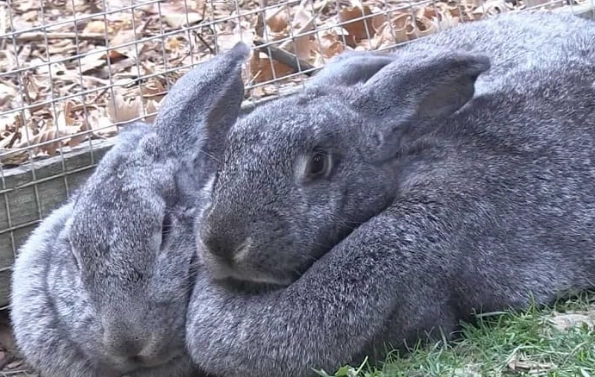
The Non-Negotiable: Space Requirements for a Flemish Giant
This is the deal-breaker for most people. A standard pet store cage is animal cruelty for a Flemish Giant. They need room to fully stretch out, stand on their hind legs without their ears touching the top, and take at least three good hops in any direction.
Indoor Housing: Creating a Rabbit-Proofed Paradise
Indoor living is, in my strong opinion, the only responsible way to keep a pet Flemish Giant. It protects them from predators, extreme weather, and loneliness.
The Minimum Enclosure: Think in terms of an exercise pen (x-pen) or a very large, custom-built cage. The House Rabbit Society, a leading rabbit welfare organization, recommends a minimum of 12 square feet of enclosed space for a single rabbit, plus many hours of time in a larger, exercise area. For a Flemish, I'd bump that minimum to 16-20 square feet just for their "home base." That's a pen at least 4ft x 4ft.
But that's just their bedroom. They need daily, supervised (or well-proofed) time in a larger space—a rabbit-proofed room or a section of your living area. Rabbit-proofing means: all cords concealed in protective tubing, baseboards covered with plastic guards or treated with bitter apple spray, books and valuables out of reach, and no access to toxic houseplants or loose carpet they can ingest.
Outdoor Considerations: Is it Ever Safe?
A permanent outdoor hutch is a hard no. They are vulnerable to flies (which cause fatal flystrike), mites, raccoons, and even hawks. Heatstroke is a massive risk for large, dense rabbits. However, supervised, secure outdoor time on a harness or in a sturdy, roofed pen on grass can be wonderful enrichment. Use a harness designed for cats or small dogs, and never leave them unattended.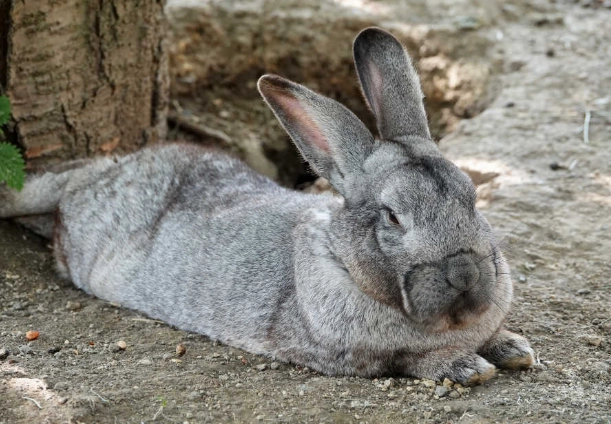
| Housing Type | Pros | Cons & Considerations |
|---|---|---|
| X-Pen Setup | Flexible, spacious, relatively inexpensive, easy to clean. | Need a mat underneath to protect flooring. Must be tall enough (at least 36") to prevent jumping. |
| Large Custom Cage | Can be aesthetically pleasing, very sturdy. | Often expensive, heavy, difficult to move. Still requires ample free-roam time. |
| Free-Roam in Proofed Room | Ideal for rabbit's well-being, promotes bonding. | Requires extensive, meticulous proofing. You lose a room for other uses. |
Feeding Your Flemish Giant: It's Not Just About Quantity
The dietary principles are the same as for any rabbit, but scaled up. The biggest ongoing expense won't be vet bills or toys—it will be hay.
- Unlimited Grass Hay (80-90% of diet): Timothy hay is ideal for adults. A Flemish can go through a 10lb box in a few weeks. Orchard grass or oat hay are good alternatives. Alfalfa hay is too rich for adults but okay for kits under 7 months. Buying in bulk from a local farm or reputable online supplier is the only economical way.
- Fresh Leafy Greens (1-2 cups per 5lbs of body weight daily): That's a large salad bowl for a 15lb rabbit. Romaine, kale, cilantro, bok choy, and carrot tops are great. Introduce new greens slowly to avoid digestive upset.
- Limited Pellets (1/4 cup per 5lbs daily): Use a plain, timothy-based pellet without colorful bits or seeds. Pellets are a supplement, not the main course.
- Treats: A thin slice of apple or banana, a blueberry or two. Their sweet tooth is real, but obesity is a serious health risk for giants, stressing their joints.
Fresh water must always be available, preferably in both a heavy ceramic bowl (they can't tip it) and a bottle, as some prefer to drink one way or the other.
Health and Lifespan: Keeping Your Giant Healthy
With proper care, a Flemish Giant can live 8-10 years, sometimes longer. Their size brings specific health considerations.
Spaying/Neutering is Non-Optional. For females, the risk of uterine cancer after age 4 is over 60%. For males, it reduces spraying and aggressive behavior. Find an exotic veterinarian with specific experience with rabbits, and ideally with giant breeds. Anesthesia risk is slightly higher due to their size, so a vet's experience is critical.
GI Stasis: The silent killer. A rabbit's gut must constantly move. Stress, pain, or a poor diet can cause it to slow down or stop. Symptoms include not eating, small or no poops, and lethargy. This is a same-day veterinary emergency. Have a vet's number and a plan ready before you ever bring your rabbit home.
Sore Hocks (Pododermatitis): Large rabbits are prone to pressure sores on their hocks if kept on hard or wire flooring. Provide thick, soft bedding like fleece blankets or vetbed over a solid surface.
Arthritis: As they age, joint issues are common. Keep them at a healthy weight, provide soft bedding, and consider ramps instead of jumps to access favorite spots.
The Real Cost of a Flemish Giant Rabbit
Let's talk numbers, because surprise expenses lead to surrendered pets.
- Initial Purchase/Adoption: $50-$200 from a breeder. Consider adoption from a rescue—Flemish Giants are sometimes surrendered when owners are overwhelmed. Fee: $100-$150.
- Start-Up Supplies: Large pen/cage, litter box, heavy bowls, hidey-house, toys, bedding, proofing materials. $300-$800.
- Spay/Neuter: $300-$600, depending on your region and the vet.
- Monthly Ongoing: Hay ($40-$80), greens ($20-$30), pellets ($10-$15), litter ($10-$20). Total: $80-$150/month.
- Annual Vet Check-up: $100-$200.
- Emergency Fund: You should have at least $1,000 accessible for potential emergencies like stasis or bladder issues.
Flemish Giant Rabbit Care Checklist
Before you say yes, ask yourself if you can commit to this:
- A dedicated indoor space of at least 16 sq ft, plus daily free-roam time.
- A monthly budget of $100+ for food and supplies.
- Finding a qualified exotic vet and budgeting for spay/neuter.
- Rabbit-proofing your home like you would for a toddler with wire-cutters for teeth.
- Daily interaction, litter cleaning, and fresh food/water.
- A 8-10 year commitment to a large, sensitive animal.
Comment