You see one across the room at a rabbit show, or maybe in a historical photograph, and you do a double-take. Is that a wild hare someone brought inside? The long, powerful legs, the arched back, the alert stance perched on its toes – it looks nothing like the round, floppy-eared bunny of children's books. This is the Belgian Hare, a rabbit that deliberately mimics the form of its wild cousin, and owning one is less like keeping a pet and more like hosting a high-performance athlete with a deeply sensitive soul.
I've shared my home with rabbits for over a decade, from laid-back lops to mischievous dwarfs, but nothing prepared me for the unique rhythm of life with a Belgian Hare. They're often called the "racehorse of the rabbit world," and that's not just a cute nickname. It's a literal descriptor of their needs, their energy, and the common mistake people make: treating them like a typical pet rabbit. Most care guides get the basics right, but they miss the nuanced, daily reality of living with an animal bred for speed and show, not for cuddles.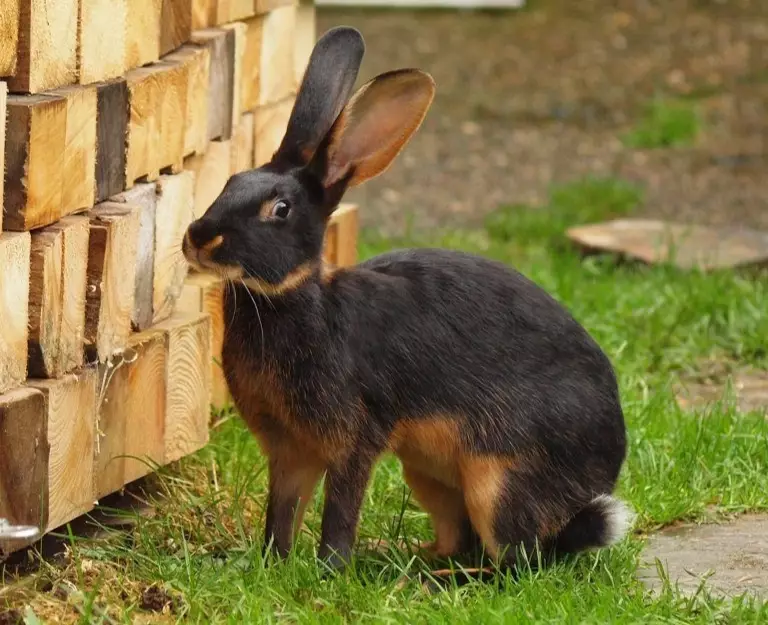
In This Article
- What Exactly Is a Belgian Hare? (It's Not a Hare)
- From Belgian Fields to Victorian Mania: A Bizarre History
- The Belgian Hare Personality: Think Cat, Not Teddy Bear
- The Non-Negotiable Care Guide: Space, Diet, and Enrichment
- Health Watch: Keeping a Lean Machine Running
- Is a Belgian Hare the Right Rabbit For You?
- Your Belgian Hare Questions Answered
What Exactly Is a Belgian Hare? (It's Not a Hare)
Let's clear this up first, because it's the source of endless confusion. The Belgian Hare (Oryctolagus cuniculus domesticus) is a domestic rabbit. It is not a true hare (genus Lepus). True hares are born fully furred, eyes open, and ready to run. Belgian Hare kits are born naked and helpless like any other domestic rabbit.
The "Hare" in its name refers purely to its phenotype – its physical appearance, which was meticulously selected by breeders starting in the 18th century to resemble the wild European hare. This was the original "fancy" rabbit, bred for form over function (unlike meat or wool breeds). The result is a rabbit that breaks all the stereotypical molds:
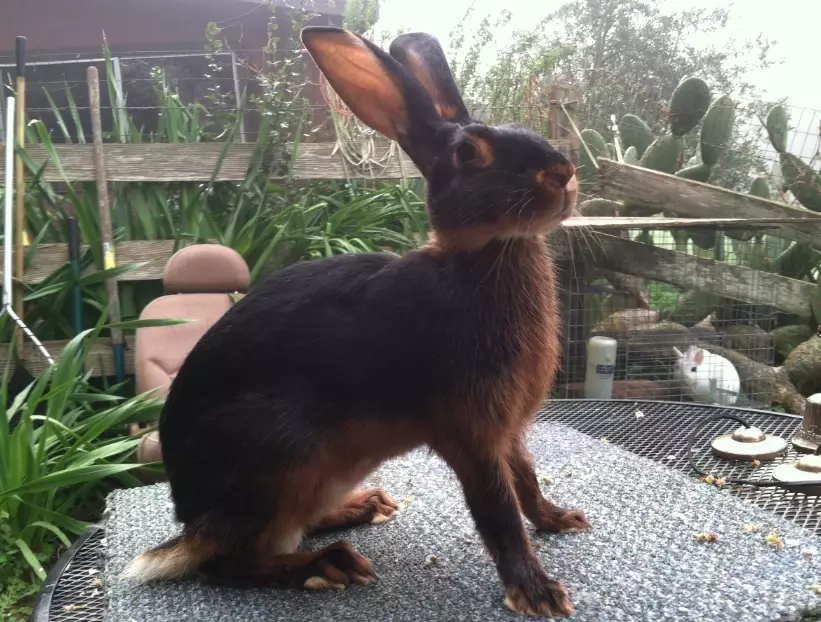
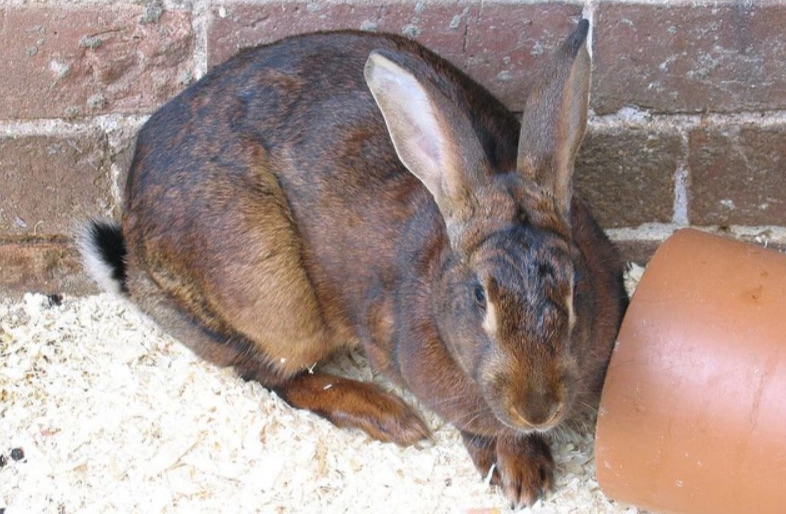
- A Body Built for Speed: A long, slender "mandolin" or "half-arch" body, with notably long legs and a powerful hindquarter. They stand high on their toes, giving them a perpetual poised-to-sprint look.
- Distinctive Coloring: A rich, deep reddish-rufous coat, often described as "chestnut agouti," with black ticking, a black tail, and a creamy underbelly. No other rabbit looks quite like it.
- Weight and Size: They are a large breed, typically weighing 6 to 9.5 pounds, but every ounce is lean muscle.
Seeing one move is the real revelation. Their gallop is fluid and shockingly fast. They can clear obstacles with an elegant leap that seems more deer-like than rabbit-like. This isn't just a pretty rabbit; it's a study in efficient locomotion.
From Belgian Fields to Victorian Mania: A Bizarre History
The story of the Belgian Hare is one of the strangest in all of animal domestication. It's a tale of agricultural innovation, speculative frenzy, and ultimate decline.
It began in early 18th-century Flanders (modern-day Belgium). Local breeders began selectively crossing large, wild-looking rabbits to develop an animal that resembled the hare, prized for its meat. These "Lievre Belge" were first imported to England in the mid-1800s. English breeders, particularly a man named W. N. P. Weir, refined the breed further, emphasizing the arched back and racy build for the show bench.
Then came the "Belgian Hare Craze" of the late 1890s and early 1900s, primarily in America. This wasn't about pets. This was a full-blown speculative bubble. Promoters sold breeding stock as a get-rich-quick scheme, touting them as the "poultry of the 20th century" and a superior source of meat. Rabbits that originally sold for $5 were being traded for hundreds, even thousands, of dollars. According to historical reports like those in the National Stockman and Farmer magazine from 1898, some top-tier breeding pairs fetched prices equivalent to a small house.
The Bubble Bursts: By 1905, the market collapsed. The rabbits were not the easy meat source promised; they required careful feeding and ample space. Thousands of "investors" were left with rabbits they couldn't sell or profit from. Many were simply turned loose, which contributed to feral populations in some areas. The breed never recovered its commercial status, surviving only in the hands of dedicated fanciers and show enthusiasts. This boom-and-bust history explains why they're relatively rare today.
The Belgian Hare Personality: Think Cat, Not Teddy Bear
If you're looking for a lap rabbit that will snuggle for hours, look elsewhere. The Belgian Hare personality is its most misunderstood feature. They are often described as "nervous" or "high-strung," but that's an oversimplification. I'd describe them as highly intelligent, perceptive, and sensitive.
- They Bond Deeply, But on Their Terms: They form strong attachments to their trusted humans but are rarely clingy. They might follow you around, investigate your work, and accept gentle petting when they choose. Forcing interaction usually leads to a sprint for the nearest hide.
- Observant and Cautious: Their wild hare appearance extends to their instincts. They are the first to notice a change in the environment, a new sound, or a stranger. This isn't a flaw; it's their nature. A calm, predictable household is essential.
- Playful and Energetic: Their play is athletic. They enjoy tossing lightweight toys, navigating complex obstacle courses, and most of all, running. A happy Belgian Hare is one that has space for full-speed dashes and dramatic leaps.
A common mistake new owners make is misreading their aloofness as dislike. It's not. They are independent souls who appreciate your presence but don't always need your hands on them. Earning the trust of a Belgian Hare, where they willingly approach and interact, is a far more rewarding experience than cuddling a passive breed.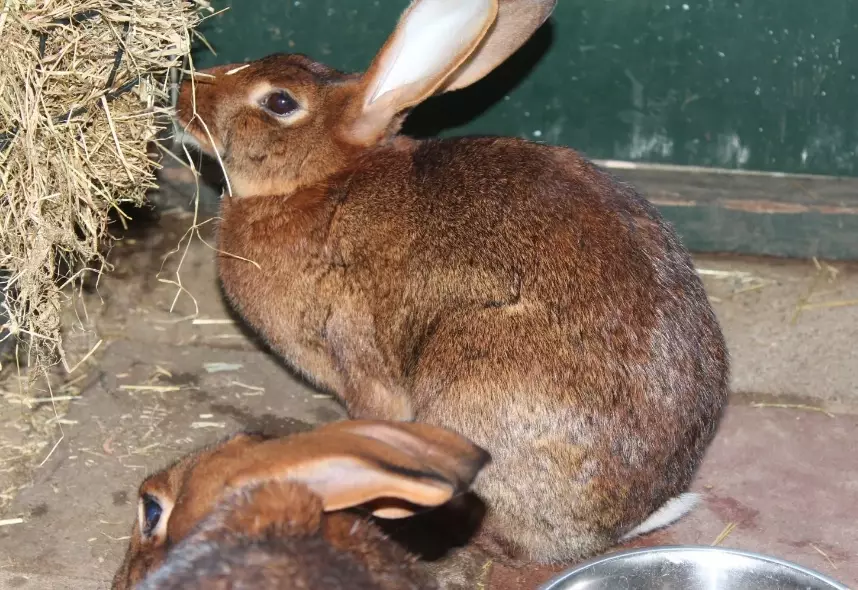
The Non-Negotiable Care Guide: Space, Diet, and Enrichment
Standard rabbit care advice fails the Belgian Hare. Their unique physique and energy demand a specialized approach. Here’s the breakdown of what they truly need.
Housing: The Space Equation
A cage is a prison for a Belgian Hare. Even a large dog crate is insufficient for more than temporary containment (like overnight). Their housing must be rethought as a secure home base within a much larger exercise zone.
- Home Base (The Cage/X-Pen): This should be a minimum of 4ft x 4ft for a single Hare, but bigger is always better. It holds their litter box, hay rack, and water. The door must always be open during the day.
- The Exercise Zone: This is the critical part. You need a rabbit-proofed room or a dedicated, secure area that allows for at least 15-20 feet of uninterrupted running space. Think a long hallway, a joined living-dining area, or a securely penned section of a garage or basement. For outdoor time, a large, predator-proof run (e.g., 8ft x 10ft minimum) on grass is paradise for them.
The Belgian Hare Diet: Fuel for a Ferrari
Their metabolism is geared for an active life. The goal is to maintain lean muscle, not create fat.
| Food Type | Purpose & Proportion | Key Notes for Belgian Hares |
|---|---|---|
| Unlimited Grass Hay (Timothy, Orchard, Meadow) | ~80% of diet. Essential for digestion, dental health, and boredom-busting. | Non-negotiable. They need constant access to high-quality, fibrous hay to keep their fast-moving gut healthy. |
| Measured Pellets | ~5% of diet. A concentrated source of vitamins and minerals. | Use a plain, high-fiber timothy-based pellet. Limit to 1/4 cup per 6 lbs of body weight daily. Overfeeding pellets is a fast track to obesity in this lean breed. |
| Fresh Leafy Greens | ~15% of diet. Provides moisture and nutrients. | 1-2 packed cups daily. Romaine, cilantro, kale, carrot tops. Introduce new greens slowly. |
| Treats (Fruit, Carrot) | Occasional, tiny amounts. | Think the size of a blueberry. Their lean frame has little tolerance for sugar overloads. |
Enrichment: A Bored Hare is a Destructive Hare
Their intelligence demands engagement. Without it, they will creatively (and destructively) entertain themselves.
- Agility & Courses: They excel at rabbit agility. Set up low jumps, tunnels, and weave poles. Change the layout weekly.
- Digging & Foraging: Provide a large, deep box filled with shredded paper or child-safe sand to dig in. Hide pellets and herbs in puzzle feeders or scattered in their hay.
- Chewing: Offer a constant rotation of apple, willow, or hazel wood branches. Cardboard boxes and tubes are also great.
Health Watch: Keeping a Lean Machine Running
Belgian Hares are generally robust, but their specific build makes them prone to certain issues.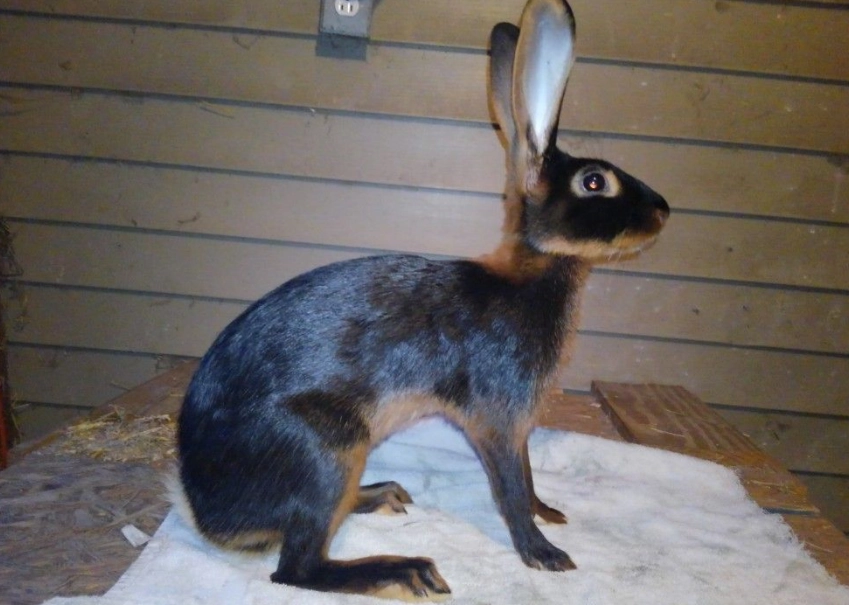
Sore Hocks (Pododermatitis): This is the big one. Their fine bone structure and lack of heavy foot padding mean they are highly susceptible to painful pressure sores on their hocks if kept on hard or wire flooring. Every surface they regularly rest on must be soft: thick fleece blankets, vet bed, memory foam mats, or deep, soft hay.
Spinal Injuries: Their long, arched back can be vulnerable. It's crucial to support their spine fully when picking them up (one hand under the chest, one under the hindquarters, held close to your body). Never let them struggle or kick out while suspended.
GI Stasis: Like all rabbits, they are prone to gastrointestinal stasis. Their sensitive nature means stress is a major trigger. Any sudden change in routine, diet, or environment, or the loss of a bonded partner, can lead to a dangerous slowdown of their gut. Knowing their normal eating and pooping habits is vital for early detection.
Regular vet check-ups with a rabbit-savvy veterinarian (find one through the House Rabbit Society vet list) are essential. Their lean body condition can sometimes mask early signs of illness to an untrained eye.
Is a Belgian Hare the Right Rabbit For You?
Let's be brutally honest. The Belgian Hare is not a pet for everyone. It's a commitment to a specific lifestyle.
You might be a good fit if: You're an experienced rabbit owner who understands lagomorph behavior. You have a quiet, adult-oriented home. You can provide a massive, safe exercise area (think a whole room or secure outdoor run). You appreciate an animal's independence and find joy in observing natural behaviors. You want a captivating, interactive companion, not a living teddy bear.
You should reconsider if: You are a first-time rabbit owner. You live in a small apartment with no dedicated rabbit space. You have young, noisy children. You primarily want a cuddly, handleable pet. Your life is unpredictable or often chaotic. You're not prepared for potential high vet bills associated with any purebred animal.
Adopting a Belgian Hare is challenging. They rarely appear in general shelters. Your best bets are breed-specific rescues (network through the American Belgian Hare Club) or ethical, preservation-minded breeders who health-test their stock and interview you thoroughly. Expect to be on a waiting list.
Your Belgian Hare Questions Answered
 The Belgian Hare is a living piece of history, a testament to selective breeding, and a captivating companion for the right person. They ask for more than the average rabbit, but in return, they offer a unique window into the grace, intelligence, and spirit of the rabbit world. They're not just pets; they're a passion.
Comment