Let's be clear from the start: a Giant Angora rabbit isn't just a pet. It's a commitment, a lifestyle, and for many, a living, breathing source of the most luxurious fiber you can get without shearing a sheep. Weighing in at over 9 pounds and covered in a dense, continuously growing wool coat, this breed is magnificent, high-maintenance, and often misunderstood. I've spent over a decade around wool breeds, and I've seen the full spectrum—from perfectly groomed show champions to heartbreaking cases of neglect where the poor animal is one solid mat. This guide isn't about selling you on the fluff; it's about giving you the unvarnished truth of what it takes to care for a Giant Angora, whether you want a companion or a fiber producer.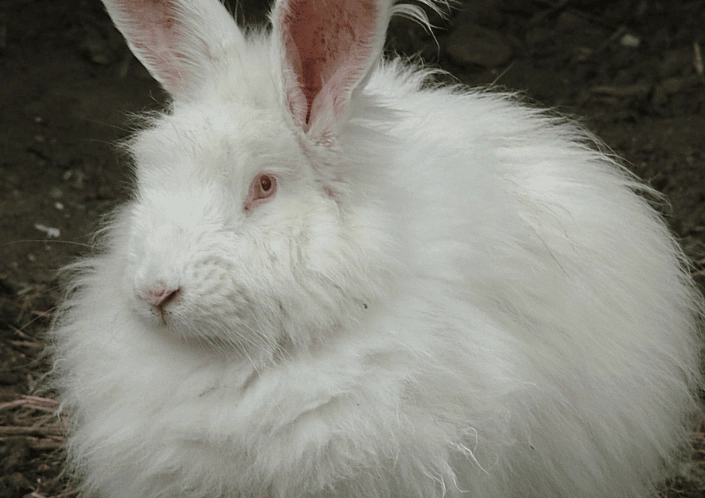
What You'll Find in This Guide
Understanding the Breed: Not Your Average Bunny
The Giant Angora is the largest of the four Angora breeds recognized by the American Rabbit Breeders Association (ARBA). They were developed specifically for commercial wool production, which explains their size and that incredible fleece. Unlike other Angoras, Giants have three types of fiber in their coat: a dense underwool, a slightly longer and wavier "awn" fluff, and long, straight guard hairs. This combination is what creates their signature halo and warmth.
Their temperament is typically docile and calm, a necessity for an animal that must endure frequent handling and grooming. But "docile" doesn't mean inactive. They still need significant space—a cage minimum of 36" x 48" is a starting point, but they thrive with a large exercise pen or rabbit-proofed room. A common mistake is treating them like decorative pillows. They are intelligent animals that need mental stimulation, toys, and interaction.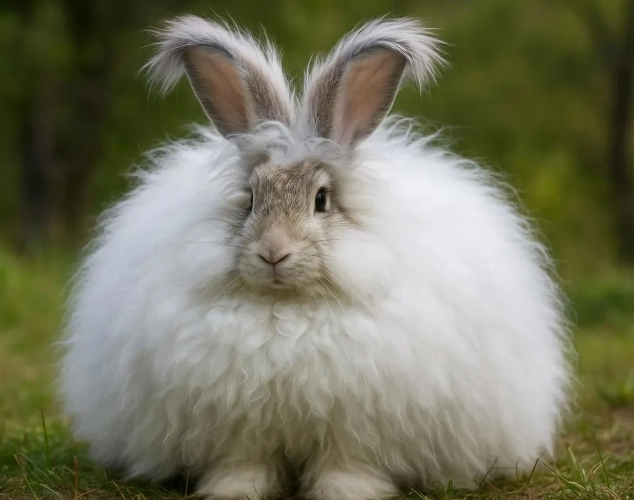
A Quick Reality Check: The average pet rabbit might need a nail trim every month and a light brushing during a shed. A Giant Angora's grooming is a core part of its daily care, akin to walking a dog. If you skip it, you are directly compromising the animal's health.
The Non-Negotiable World of Grooming
This is the make-or-break section. Grooming a Giant Angora is not optional, not occasional, and not something you can do half-heartedly.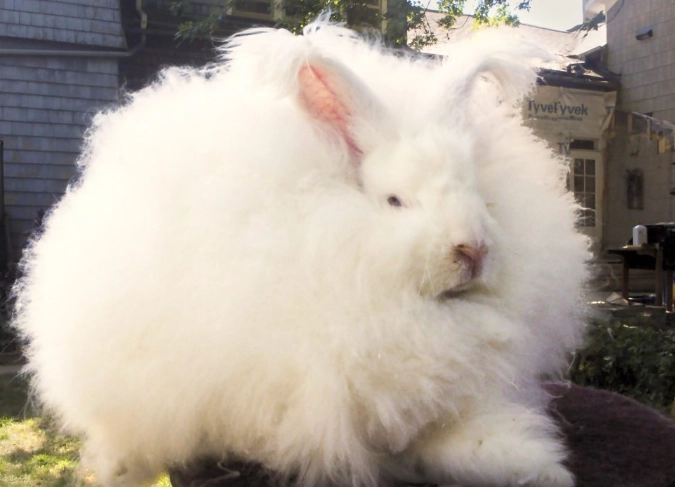
How to Prevent Mats (The Right Way)
Mats start close to the skin, where loose wool felts with the new growth. Surface brushing does nothing. You must part the wool and comb all the way down to the skin, section by section. Focus on friction areas: behind the ears, under the chin, the "armpits," and the belly. A full grooming session for a pet Giant should take 30-45 minutes every other day. For a show or prime fiber rabbit, it's a daily task.
The biggest subtle error I see? People use cheap, fine-toothed pet combs or slicker brushes meant for cats. These snag and break the delicate wool fibers and don't penetrate the dense undercoat. You need the right tools.
| Tool | Purpose | Why It's Essential |
|---|---|---|
| Wide-Tooth Metal Comb (7-9 teeth) | Primary detangling and daily comb-through. | Long teeth reach the skin without scratching; wide spacing prevents snagging and fiber breakage. |
| Mat Splitter / Dematting Comb | Carefully cutting apart small mats before they grow. | Safer than scissors near the skin. It slices through the mat vertically, allowing you to then comb it out. |
| Blunt-Tipped Scissors | Trimming stained wool (around rear) or as a last resort on severe mats. | Blunt tips reduce the risk of stabbing the rabbit if it moves suddenly. Never use sharp points. |
| Grooming Table with Non-Slip Mat | Providing a secure, elevated surface for grooming. | Prevents back strain for you and keeps the rabbit contained and calm. A wiggling rabbit on the floor is a grooming disaster waiting to happen. |
If you do find a mat, don't pull. Saturate it with a bit of cornstarch or a rabbit-safe detangling spray to help lubricate the fibers, then gently work it apart with the mat splitter and comb.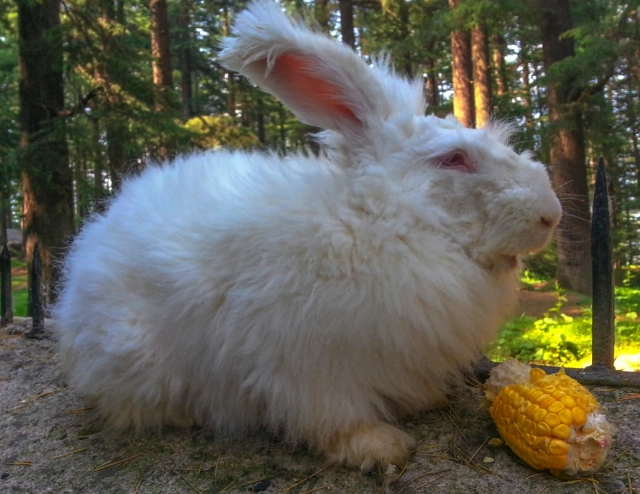
The Plucking vs. Shearing Debate
For harvesting wool, you have two methods. Plucking involves gently pulling the loose, shedding wool during a natural molt. This yields the highest quality, longest fibers with that prized halo. Shearing or clipping is faster and done when the wool is about 4-5 inches long, using blunt-tipped scissors or clippers. The fiber is shorter and may have more cuts, but it's necessary if the rabbit isn't molting on schedule.
My take? For a pet, shearing is often kinder and reduces grooming time dramatically for 8-10 weeks. For a serious fiber artist seeking the best yarn, learning to pluck during the molt is worth the effort. Never shave a rabbit down to the skin—always leave at least an inch of wool for insulation and protection.
Diet & Health: The Foundation Under the Fluff
You can't grow good wool on a poor diet. A Giant Angora's metabolism works overtime to produce that fiber, so their nutritional needs are specific.
Unlimited Grass Hay (Timothy, Orchard, Meadow): This should be 80% of their intake. It provides essential fiber for gut motility and wears down teeth. Alfalfa hay is too rich in calcium and protein for adult rabbits and can lead to urinary sludge.
High-Quality Pellets: Not your generic rabbit mix. Look for a pellet formulated for wool breeds or with at least 16-18% protein and 18-22% fiber. Feed a measured amount—about 1/4 cup per 5 lbs of body weight daily—to prevent obesity. Overfeeding pellets is a common error that leads to selective eating and health issues.
Fresh Greens & Water: A daily rotation of dark leafy greens (romaine, kale, cilantro) provides vitamins and moisture. Fresh, clean water must always be available, preferably in both a bowl and a bottle.
Health Watch-Outs:
• Wool Block (GI Stasis): The #1 killer of long-haired rabbits. Ingested wool forms a blockage in the gut. Prevention is key: relentless grooming to minimize shedding wool, a high-fiber hay diet, and occasional offerings of fresh pineapple (contains the enzyme bromelain) or papaya during heavy molts.
• Fleas & Parasites: Never use dog or cat flea products. Consult an exotic veterinarian for rabbit-safe treatments. A parasite infestation in that coat is a nightmare to resolve.
• Overheating: That wool is a winter coat year-round. They must be kept in a cool, well-ventilated area. Temperatures over 80°F (27°C) are dangerous.
Harvesting and Using Angora Wool
If you're raising Giants for fiber, this is the rewarding part. A healthy Giant can produce 1 to 2 pounds of raw wool per year.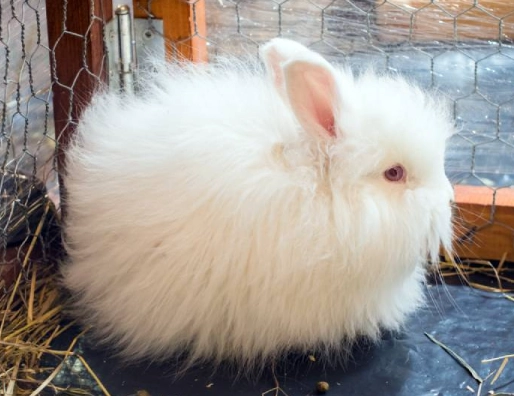
After harvesting, the wool must be skirted—meaning you pick out any vegetation, matted bits, or stained sections. Then, it needs to be hand-carded to align the fibers before spinning. You can spin it pure for incredibly warm, lightweight yarn, or blend it with sheep's wool (like merino) or silk to add strength and reduce shedding in the final product.
The appeal of angora fiber is its ethical sourcing. It's harvested without harming the rabbit, unlike commercial angora from some overseas operations where rabbits are kept in poor conditions. By raising your own or sourcing from small, ethical breeders, you know the story behind the fiber. Resources from the Handspinners Guild or The Livestock Conservancy can connect you with this community.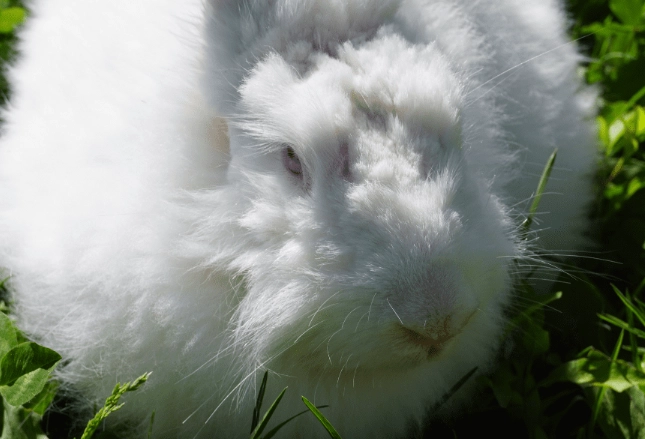
Is a Giant Angora Right for You? The Honest Checklist
Don't make this decision based on a cute photo. Ask yourself these questions honestly:
Time: Can you commit 3-5 hours per week, every week, for the next 7-10 years, solely to grooming? Not playing, not feeding—just grooming.
Budget: Beyond the rabbit ($100-$300 from a reputable breeder), can you afford high-quality hay/pellets, vet bills for an exotic pet, grooming tools, and a massive cage?
Patience: Are you prepared for a rabbit that may not be cuddly during a 45-minute detangling session? Can you handle the frustration of finding a mat you missed last week?
Space & Environment: Do you have a cool, indoor space for a very large cage and exercise area?
Goal: Are you a dedicated fiber artist or spinner? If not, the wool may become a burden rather than a resource.
If you answered "no" to any of these, a different breed might bring you more joy with less stress. There's no shame in admitting a Giant Angora's needs don't fit your life.
Your Giant Angora Questions, Answered
Is a Giant Angora rabbit a good pet for a first-time owner?
How often do I need to groom my Giant Angora to prevent mats?
Can I keep my Giant Angora's coat short to reduce grooming?
What is the single biggest mistake new Giant Angora owners make?
Owning a Giant Angora is a profound experience. It teaches patience, diligence, and gives you a deep connection to a traditional fiber craft. The sight of a healthy, well-groomed Giant, or the feel of yarn spun from its wool, is incredibly rewarding. But that reward is earned through daily, meticulous care. Go into it with your eyes wide open, armed with the right knowledge and tools, and you'll have a magnificent companion—or fiber provider—for years to come.
Comment