Let's be clear from the start. A French Angora rabbit isn't just a pet; it's a lifestyle commitment. That adorable, floating cloud of wool you see at shows or in pictures comes with a daily grooming ritual that can feel like a part-time job. I learned this the hard way with my first Angora, Mochi. I thought my experience with Netherland Dwarfs had prepared me. It hadn't. Underneath that glorious topcoat, a single missed brushing session had created a mat the size of a golf ball, tight against her skin. The vet had to shave it out, and Mochi was miserable. That day, I realized owning a French Angora is about preventing problems, not solving them.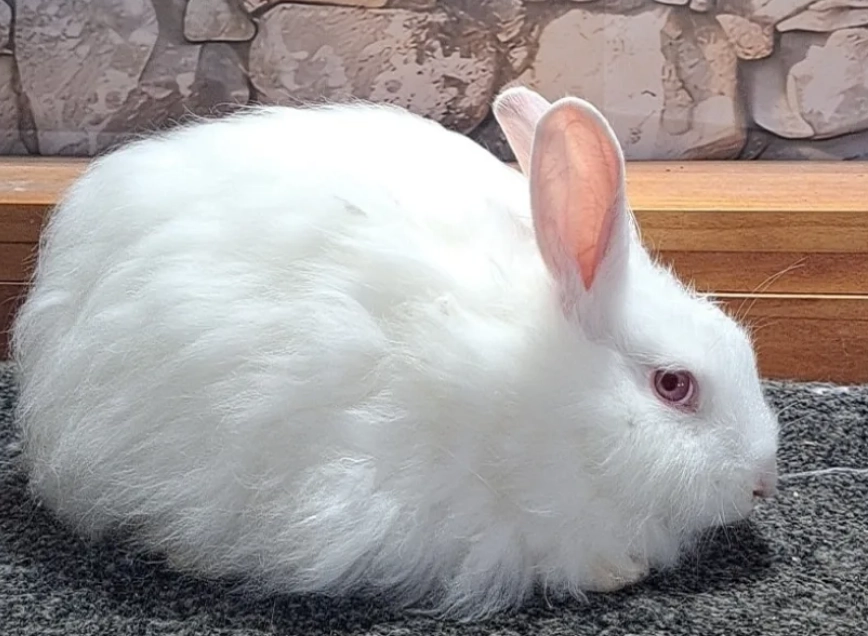
This guide won't sugarcoat it. We'll dive into the relentless grooming, the specific dietary tweaks, the health hazards lurking in all that fluff, and help you decide if you're truly cut out for this breed. It's written for the person who's done the basic rabbit research and is now staring down the unique challenge of the Angora.
What You'll Learn
What is a French Angora Rabbit? More Than Just Pretty Wool
People get confused. "Angora" refers to a group of wool-producing rabbits, and the French Angora is one of four breeds recognized by the American Rabbit Breeders Association (ARBA). It's distinct from the English, Giant, and Satin Angoras.
The French variety is arguably the most "practical" for a non-spinner pet home. Why? Their wool is slightly coarser and contains more guard hairs. While this means the wool is less prized by hand-spinners than the English Angora's super-fine wool, it also means it's slightly less prone to felting instantly. Only slightly. Don't take that as an excuse.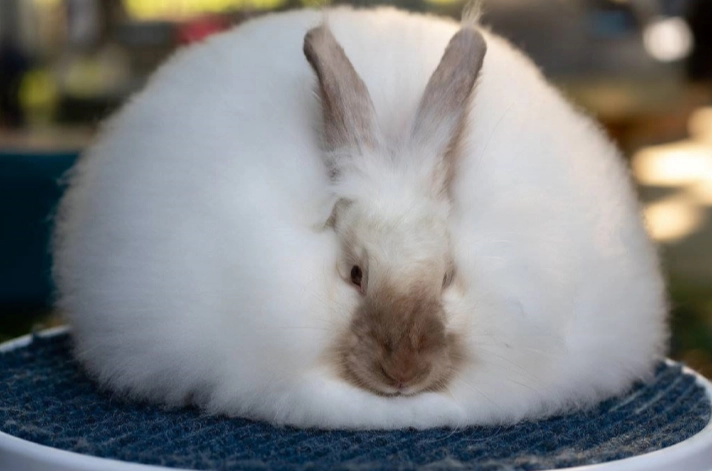
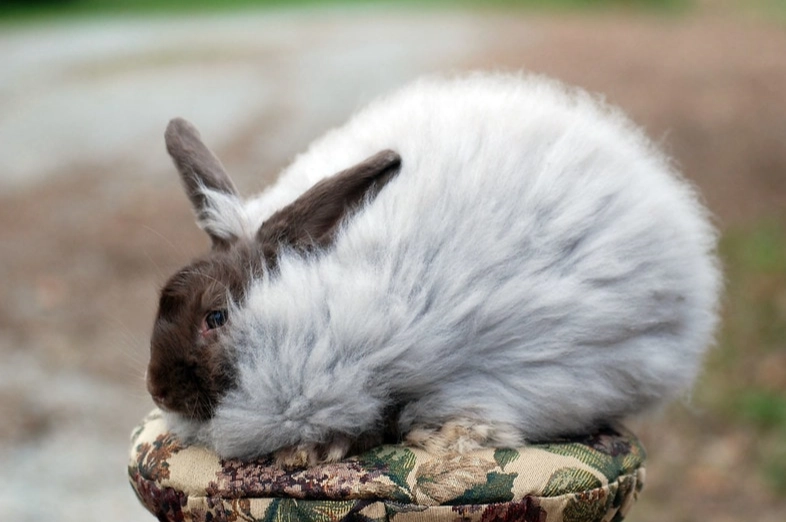
Key Breed Traits: They typically weigh 7.5 to 10.5 pounds. Their face, ears, and front feet are free of wool (unlike the English Angora, which is a wooly ball with eyes). This gives them a more "rabbity" look and helps with heat regulation and cleanliness. Their wool grows about an inch per month and requires harvesting (shearing or plucking) every 3-4 months.
Their temperament is generally docile and tolerant—a necessity for an animal that must endure daily handling and grooming. But that calm nature can be mistaken for being a couch potato. They still need several hours of exercise outside their enclosure to stay physically and mentally healthy.
How to Groom a French Angora Rabbit: A Step-by-Step Survival Guide
This is the core of French Angora care. Fail here, and everything else falls apart. The goal is to remove all loose undercoat before the rabbit can ingest it and before it tangles with the growing wool to form mats.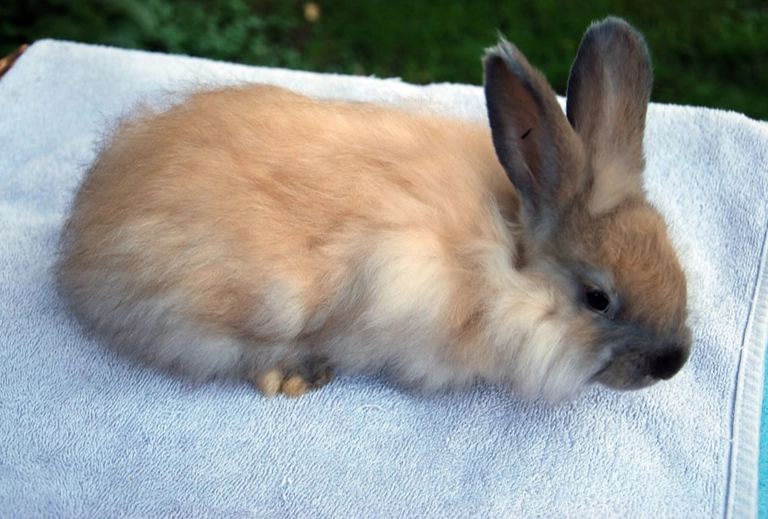
The Essential Grooming Toolkit
You can't use just any brush. A standard slicker brush for cats or small dogs will glide over the surface and do nothing. You need tools that reach the skin.
| Tool | Purpose | Frequency of Use |
|---|---|---|
| Greyhound Comb (Fine & Wide-tooth) | Your primary diagnostic tool. Start with the wide side, finish with the fine side. It must glide through the fur from skin to tip without catching. | Every grooming session |
| Slicker Brush with Long, Thin, Bent Pins | For fluffing out undercoat and removing finer loose hairs. Use gently in a lifting motion. | 2-3 times per week |
| Blower (Pet Dryer on Cool/No Heat) | The single best tool for lifting fur and finding mats. It parts the hair to the skin. A game-changer. | Weekly or during heavy sheds |
| Mat Splitter / Dematting Comb | For carefully breaking up small, early-stage mats. Not a substitute for brushing! | Only as needed (emergency) |
| Small, Sharp Scissors (Blunt-tipped) | For very carefully snipping stubborn bits of vegetation (hay, bedding) stuck in wool. Never cut mats. | As needed |
The Actual Grooming Process: No Shortcuts
Find a well-lit, comfortable table. Lay down a towel for grip. Plan for 20-30 minutes.
- Start with the Comb: Always. Part the fur down to the skin. Work in small, one-inch square sections from the rear forward. Comb from skin to tip. If you hit resistance, don't yank. Investigate.
- Blow It Out: Using the pet dryer on cool, blow against the grain of the hair. This will reveal a hidden world of loose undercoat you couldn't see. It will look like a snowstorm. This is the wool you're preventing from being eaten.
- Brush and Fluff: Go over the section again with your slicker brush, lifting the hair gently. Follow up with the fine-tooth comb for a final check.
- Check Trouble Zones: Pay hyper-attention to the armpits, chest, belly, and breeches (back of thighs). These areas mat fastest due to friction and moisture.
A common pitfall I see is owners just brushing the surface. Your hand should be touching the rabbit's skin through the wool as you work each section. If you're not, you're missing the undercoat.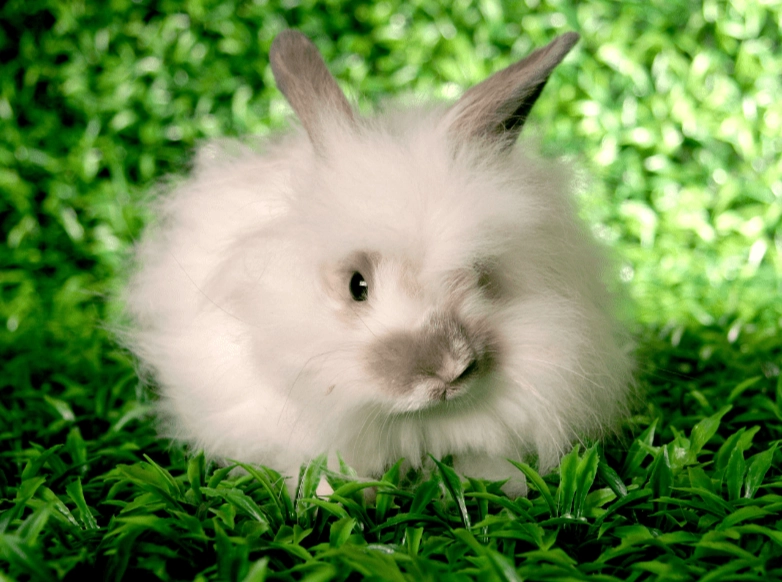
French Angora Diet and Health: Special Considerations
Their physiology demands adjustments. The risk of wool block (trichobezoar) is ever-present. This is a life-threatening condition where ingested hair forms a blockage in the digestive tract. Rabbits can't vomit, so prevention is everything.
Emergency Signs of GI Stasis/Wool Block: No fecal pellets for 12+ hours, lethargy, hunched posture, grinding teeth (pain), refusal of favorite treats. This is a VET NOW emergency. Do not wait.
The Angora-Specific Diet Plan
- Unlimited Grass Hay (85% of diet): Timothy, Orchard, Oat Hay. The fiber is non-negotiable. It keeps the gut moving and helps propel any ingested wool through. Provide it in multiple locations to encourage constant munching.
- Limited Pellets (10%): Use a high-fiber timothy-based pellet. I feed about 1/4 cup less per day than I would for a short-haired breed of the same weight. They burn fewer calories.
- Fresh Greens & Veggies (5%): Romaine, cilantro, dandelion greens, bok choy. Introduce new greens one at a time. The moisture and nutrients are vital. Avoid high-calcium greens like spinach and kale as staples.
- Water: Always fresh. A heavy ceramic bowl is best. Check it twice daily.
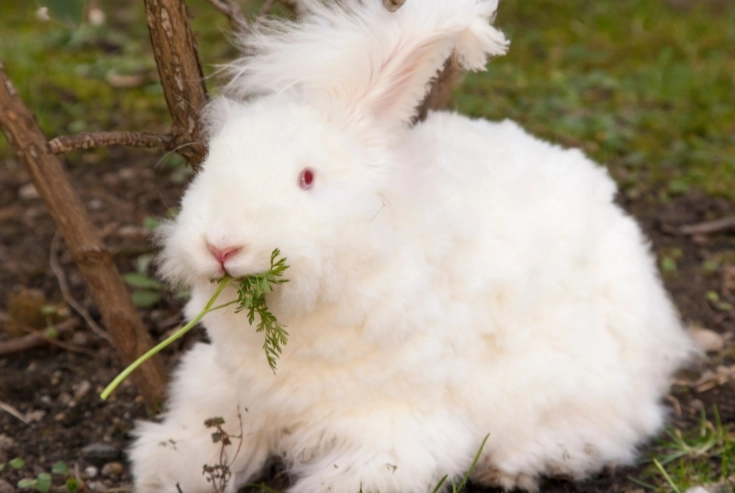
Some owners swear by supplements like papaya enzyme tablets or a daily teaspoon of pure canned pumpkin (not pie filling) for extra fiber and digestive aid. Discuss this with your rabbit-savvy vet.
Other Health Watch-Outs
Urine Scalding: Wool around the rear can become soiled and wet, leading to painful skin burns. Keep the rear trimmed short, ensure a clean litter box, and check daily.
Overheating: That wool coat is warm. Keep them in a cool, well-ventilated area (65-72°F is ideal). Provide ceramic tiles or frozen water bottles to lie against in summer.
Flystrike: A soiled rear can attract flies that lay eggs. This is a fatal condition that progresses in hours. A clean, dry bum is your best defense.
You need a vet who is not just an "exotic" vet, but one with actual experience treating wooled rabbits. They are a specialty within a specialty.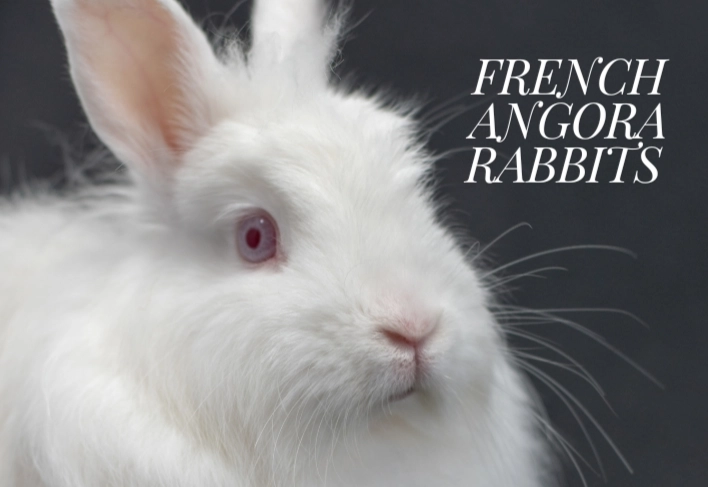
Is a French Angora Rabbit the Right Pet For You?
Let's do a reality check. You might be a good fit if:
- You are home daily and can commit to 15-30 minutes of grooming without fail.
- You have a calm, patient temperament. Grooming can't be a stressful race.
- You have a dedicated, clean, and spacious indoor setup (free-roaming or large pen).
- You have a reliable rabbit-savvy vet and a financial cushion for potential health issues.
- You're not looking for a cuddly lap cat. They tolerate handling but aren't always "snuggly."
You should probably reconsider if:
- Your schedule is unpredictable or you travel frequently.
- You have young children who might stress the rabbit.
- You're allergic to rabbits or hay (it's everywhere).
- The idea of daily maintenance feels like a chore, not a bonding ritual.
- You are a first-time rabbit owner. Seriously, start with a Rex.
Your French Angora Questions Answered
How often should I groom my French Angora to prevent matting?
You must groom a French Angora at least every other day, with daily sessions being ideal during heavy shed seasons (spring and fall). A common mistake is just brushing the surface; you need to part the fur down to the skin and work in small sections to prevent hidden mats from forming at the base. A 15-20 minute daily session is far better than a stressful two-hour ordeal once a week.
Can French Angora rabbits eat the same diet as regular rabbits?
No, their diet requires careful adjustment. The high fiber from unlimited grass hay is even more critical to keep their unique digestive system moving and help pass ingested wool. I recommend slightly reducing pellet portions compared to a short-haired breed of the same weight to avoid obesity, as they are less active. Fresh greens are essential, but introduce them slowly to avoid GI stasis.
Is a French Angora a good pet for a first-time rabbit owner?
Frankly, no. I advise against it. The grooming demand is relentless and unforgiving. A single missed session can lead to severe mats that require shaving, which is stressful for the rabbit and owner. Start with a short-haired breed like a Rex or Mini Lop to learn basic rabbit care, litter training, and behavior. If you're still passionate after a year or two, then consider the Angora commitment.
What is the biggest health risk for French Angora rabbits?
Wool block (trichobezoar) is the number one killer. They constantly ingest their own fine wool during grooming. Unlike cats, rabbits cannot vomit. The wool mixes with ingested food and can form a fatal blockage in the stomach or intestines. Prevention is 100% reliant on meticulous daily grooming to remove loose wool before they swallow it, and a ultra-high-fiber diet to keep everything moving through.
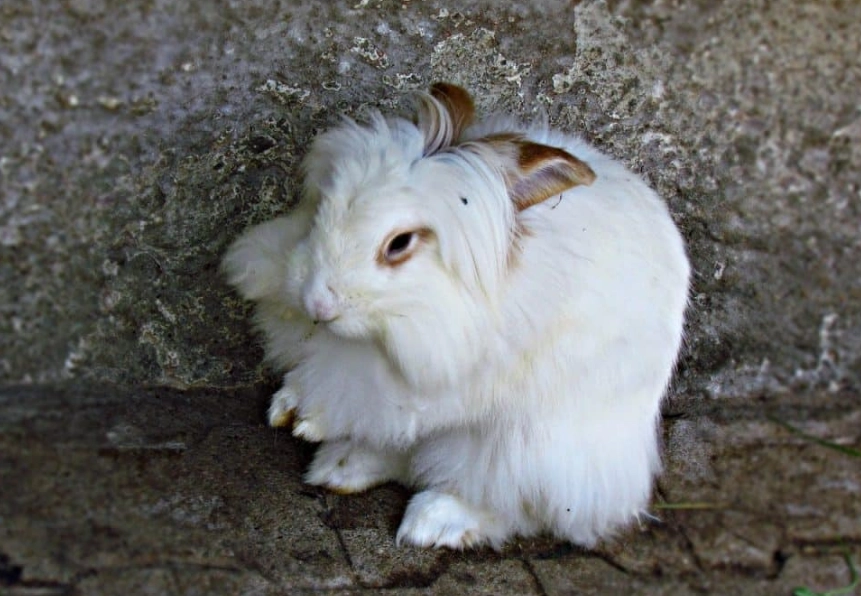 Owning a French Angora is a journey. It's frustrating when you find a mat, incredibly rewarding when you have a happy, healthy, fluff-ball hopping around, and more work than anyone who hasn't done it can imagine. It's not about having the prettiest rabbit on Instagram; it's about providing a specialized level of care for an animal that is entirely dependent on you for its wellbeing. If you're ready for that, the bond you'll form during those quiet daily grooming sessions is unlike any other.
Do your research. Reach out to reputable breeders from the American Rabbit Breeders Association (ARBA) network, and ask to see their grooming routine. Be honest with yourself about the commitment. That cloud of fluff deserves nothing less.
Comment