Let's be honest. You're not here because you want just any rabbit. You've seen the pictures. That cloud of impossibly soft wool, those gentle eyes peeking out from a mane of fluff—the English Angora rabbit is a living teddy bear. It's the breed that makes people stop and say, "I need that."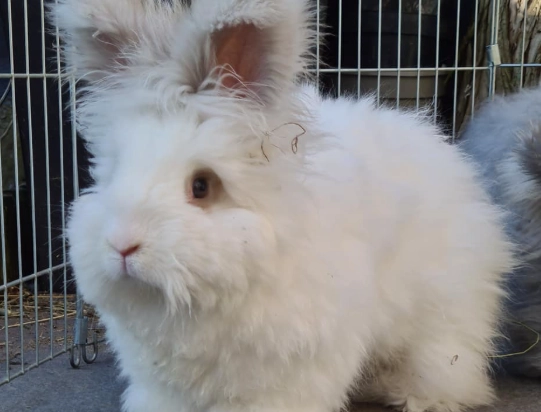
I need to tell you something upfront, before we get lost in the cuteness.
Owning an English Angora is less like having a pet and more like adopting a very delicate, very mobile textile project. Their famous coat, the very thing that draws you in, is a full-time job. I've bred and shown them for over a decade, and I've rescued just as many from homes that fell in love with the fluff but weren't prepared for the reality.
This isn't meant to scare you off. It's meant to prepare you. If you understand what you're signing up for, an English Angora can be an incredibly rewarding companion. This guide will strip away the Instagram filter and show you the real, daily life of caring for this high-maintenance, beautiful creature.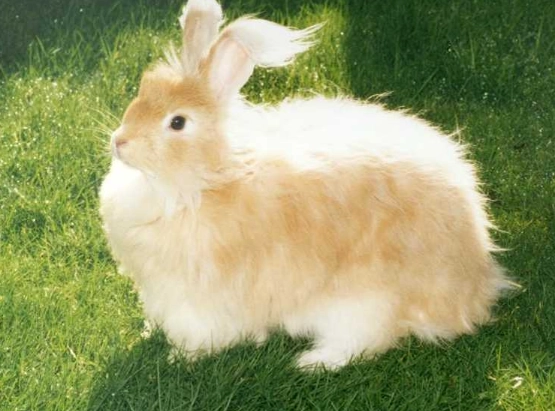
In this guide, you'll discover:
The Unfiltered Reality: Time, Cost, and Daily Life
Forget everything you know about brushing a cat or dog. An English Angora's wool grows continuously, about an inch per month. It's fine, dense, and felts (tangles into solid mats) with shocking ease. A single missed grooming session can start a problem that takes hours to fix.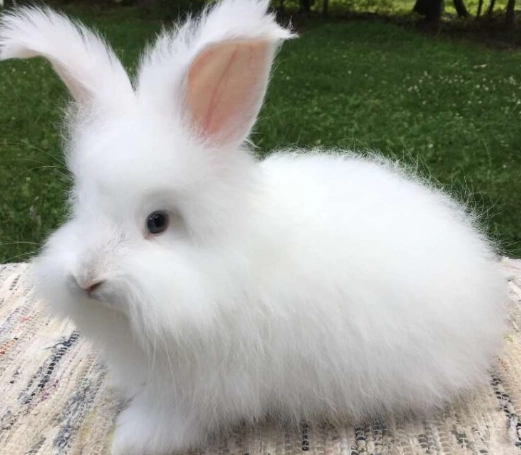
Let's talk numbers. The initial purchase from a good breeder is just the entry fee.
| Expense Category | Estimated Initial/Annual Cost | Notes |
|---|---|---|
| Rabbit Purchase | $150 - $400+ | From an ARBA-registered breeder. Pet store prices are lower, but the health risks are high. |
| Spay/Neuter | $300 - $600 | Non-optional. Unfixed rabbits are harder to litter train and have high cancer risks. |
| Proper Enclosure | $200 - $500 | A large exercise pen (x-pen) is better than a cage. They need space to move. |
| Grooming Toolkit | $80 - $150 | Quality slicker brushes, metal greyhound combs, mat splitter, blower. |
| Ongoing: Premium Food & Hay | $40 - $60/month | Unlimited timothy/orchard hay, limited pellets, fresh greens. |
| Ongoing: Vet Care | $200 - $500/year | Exotic vet check-ups. GI stasis treatment can cost $400+. |
And the hidden cost? Freedom. Weekend trips require a pet sitter who is not just willing to feed a rabbit, but who is trained in how to properly groom an Angora. Finding that person is tough.
The English Angora Grooming Routine: A Step-by-Step Breakdown
This is the core of it all. Doing it wrong leads to mats, skin infections, and a miserable rabbit. Doing it right is meditative and bonding.
The Essential Toolkit (And What Each Tool Really Does)
You can't use a cheap pet store brush. It won't penetrate the dense undercoat.
- A Fine-Toothed Slicker Brush: This is your workhorse. It's for fluffing the coat and getting the initial tangles out. Look for ones labeled for small animals or cats with fine wire pins.
- A Metal Greyhound Comb: This is your truth-teller. After brushing, you must run the comb down to the skin all over the body. If it glides through, you're done. If it catches, you have a tangle you missed. The comb finds it.
- Mat Splitter or Dematting Comb: Not for prevention, but for carefully breaking apart small mats before they become big ones. You work them apart from the edges, never yank.
- A Small Blower (like for dog grooming): A game-changer. It parts the wool so you can see the skin, helps dry them if they get wet, and blows out loose hair during a shed. Low heat, low speed.
The Step-by-Step Process
1. Set the Stage. Groom on a secure, non-slip surface (a towel on a table). Have all tools within reach. Offer a favorite leafy green to keep them occupied. 2. Inspect and Separate. Use your fingers to gently part the wool down to the skin. Look for any debris, mats, or soiled areas. Pay special attention to the "danger zones": behind the ears, under the chin, armpits, and around the bottom. 3. Brush from the Bottom Up. Hold the base of a section of wool near the skin with one hand. With the other, gently brush the tips first, then work your way down toward the skin you're holding. This prevents pulling the skin. 4. The Comb Test. After brushing a section, immediately run the greyhound comb through it. If it snags, go back with the brush. Section by section, work your way around the entire rabbit. 5. Trim the Toe Tufts and Sanitary Area. Using blunt-tipped scissors, carefully trim the long wool between the toes and around the genitals. This prevents slipping and keeps them clean.
One subtle mistake I see all the time: people groom the top of the coat and think they're done. The mats form at the base, next to the skin. You have to get all the way down there.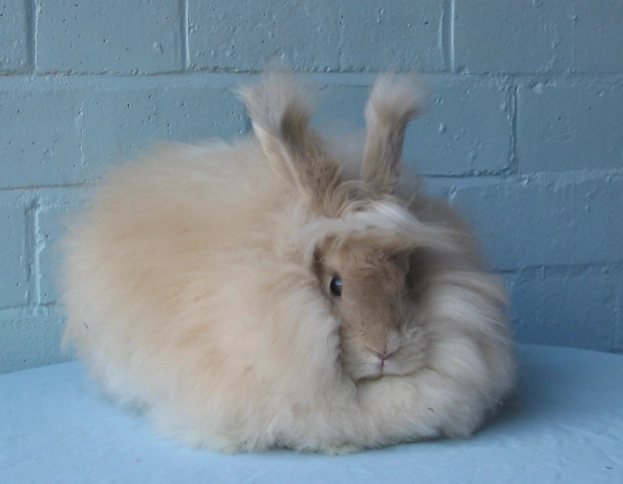
Is an English Angora Right for Your Home? A Brutally Honest Checklist
Ask yourself these questions. Be honest.
- Do you work from home or have a very consistent daily schedule?
- Are you patient, detail-oriented, and calm with your hands?
- Can you budget for high ongoing costs and potential $500+ vet emergencies?
- Do you rarely take spontaneous weekend trips?
- Is your home cool? They overheat easily above 75°F (24°C).
- Do you have a dedicated, low-traffic space for a large pen?
- Is your household free of very young children or predatory pets?
- Can you tolerate some loose wool in the air (it's like super-fine pet hair)?
If you checked "no" to more than one in the Lifestyle section, an English Angora is likely not for you. Consider a Rex (velvety short coat) or a Holland Lop (short coat, great personality) instead.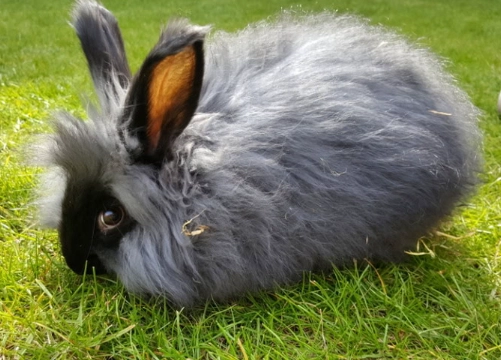
Beyond Grooming: Diet, Health, and Enrichment
The wool is the headline, but the rest of the animal needs care too.
Diet is Critical. A poor diet leads to poor wool and digestive issues. 80% should be unlimited grass hay (Timothy, Orchard). A small, measured amount of high-fiber pellets (no colorful bits). A daily salad of rabbit-safe greens (romaine, cilantro, bok choy). Treats like fruit are a tiny, occasional thing.
Watch for Wool Block. This is the Angora-specific danger. They ingest wool while grooming, which can form a blockage in their gut. Prevention is key: constant grooming to reduce loose wool, and plenty of hay and water to keep everything moving. If they stop eating or pooping, it's a same-day vet emergency.
They Need to Play. A bored Angora is a destructive one. They need mental stimulation: cardboard castles to destroy, willow balls to toss, puzzle feeders, and most importantly, daily out-of-pen time to run, binky, and explore a rabbit-proofed room.
Finding a Healthy English Angora Rabbit: Red Flags and Green Lights
Where you get your rabbit sets the stage for everything.
? Red Flags: The seller can't show you the parents. The rabbits are kept in dirty, small cages. They offer "rare" colors not recognized by ARBA at a huge markup. They don't ask you any questions about your home. The price seems too good to be true.
✅ Green Lights: The breeder is ARBA-registered. They welcome visits. The rabbits are in clean, spacious pens. They provide a pedigree and health records. They talk at length about grooming and care. They have a contract and a take-back policy. They are a resource, not just a seller.
Be prepared to wait. Good breeders don't always have babies available. Use that time to build your setup and practice grooming on a plush toy.
Your English Angora Questions, Honestly Answered
Is an English Angora rabbit a good pet for a first-time owner?
Generally, no. Their grooming needs are exceptionally demanding. A first-time rabbit owner is better suited to a short-haired breed like a Holland Lop or a Mini Rex. Mastering basic rabbit care (litter training, diet, general health) is challenging enough without adding 30+ minutes of daily, precise grooming to the mix. I've seen many well-meaning beginners become overwhelmed, leading to matting and health issues for the rabbit.
What is the single biggest mistake people make with English Angora coat care?
Waiting until you see mats to groom. By then, it's often too late to brush them out without hurting the rabbit. The correct approach is proactive, not reactive. You must groom frequently enough that mats never have a chance to form in the first place. This means a full, thorough comb-through every other day at an absolute minimum, and spot-checking the friction areas (armpits, behind ears, belly) daily.
Can you realistically make yarn or profit from an English Angora's wool?
You can certainly spin their wool into beautiful yarn for personal use, which is incredibly rewarding. However, turning a significant profit is very difficult for a pet owner. The startup costs for quality spinning equipment are high, and the time investment for proper harvesting, cleaning, and spinning is immense. Most ethical breeders barely break even when factoring in vet care, housing, and premium food. View the fiber as a wonderful bonus, not a revenue stream.
How do you find a healthy English Angora rabbit from a responsible source?
Avoid pet stores and generic online listings. Seek out a specialty breeder registered with the American Rabbit Breeders Association (ARBA). A good breeder will: 1) Show you the rabbit's parents and living conditions, 2) Provide a pedigree, 3) Ask you as many questions as you ask them, 4) Have the rabbit already spayed/neutered or strongly require you to do so, and 5) Offer lifelong support. Be prepared to be on a waiting list and pay a premium ($150-$400+); this cost reflects responsible breeding practices.
So, is an English Angora the right pet for you? If you read this guide and felt not deterred, but intrigued and ready to plan—if the idea of a daily grooming ritual sounds like peaceful bonding time rather than a chore—then you might just have the right temperament.
They are not easy. But for the right person, with patience, time, and a love for detail, they are unparalleled. They are living art, a lesson in gentle consistency, and a source of the softest fiber on earth. Just go in with your eyes wide open.
Comment