I remember the first time I brought home an Angora rabbit—a fluffy English Angora named Cloud. Within a week, his wool was matted, and I was panicking. That experience taught me more than any book could. Angora rabbits aren't your average pet; they demand specific care, but the reward is a happy companion and, if you're into fiber arts, luxurious wool. This guide dives into everything I've learned over a decade, from grooming mishaps to health nuances that most guides gloss over.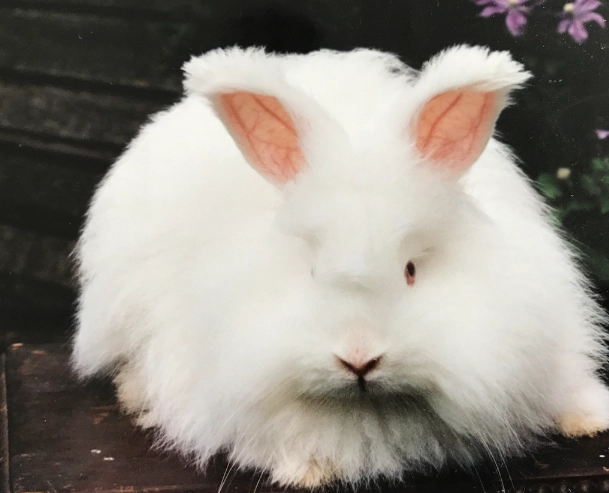
What You'll Find in This Guide
What Makes Angora Rabbits Unique? Breed Insights and History
Angora rabbits originated in Turkey, with records dating back centuries—they were prized for their wool, which was spun into fine textiles. Today, there are four main breeds recognized by the American Rabbit Breeders Association: English, French, Giant, and Satin Angora. Each has quirks. English Angoras, for instance, have wool covering their entire face, which can lead to eye issues if not trimmed. French Angoras have less facial wool, making them slightly easier for beginners.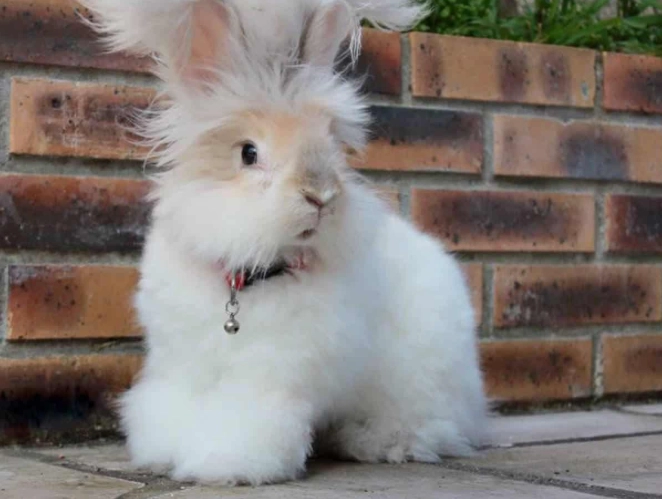
Here's a quick comparison I put together based on my interactions with breeders:
| Breed | Wool Type | Average Weight | Grooming Frequency | Best For |
|---|---|---|---|---|
| English Angora | Fine, silky | 5-7 lbs | Daily | Experienced owners, fiber artists |
| French Angora | Dense, slightly coarse | 7.5-10.5 lbs | Every other day | Intermediate owners |
| Giant Angora | Long, thick | 9.5+ lbs | Daily | Commercial wool production |
| Satin Angora | Shiny, smooth | 6.5-9.5 lbs | 2-3 times a week | Pet owners wanting less maintenance |
Many people assume all Angoras are the same, but that's a mistake. I've seen folks buy a Giant Angora for a small apartment, only to struggle with space and grooming. Do your research—visit breeders or check resources like the House Rabbit Society for breed-specific advice.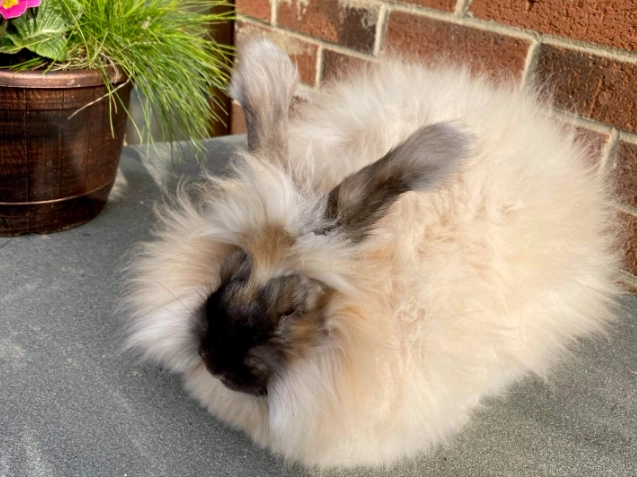
Daily and Weekly Care Routine for Angora Rabbits
Consistency is key. Angoras thrive on routine. Here's what my typical week looks like with Cloud:
Daily must-dos:
- Hay and water: Unlimited timothy hay—it's not just food; it keeps their teeth worn down and digestion moving. Change water daily; I use a heavy ceramic bowl to prevent tipping.
- Pellets: Limit to 1/4 cup per 5 lbs of body weight. Overfeeding pellets is a common error that leads to obesity and wool block.
- Fresh veggies: A handful of dark leafy greens like kale or parsley daily. Avoid iceberg lettuce—it's mostly water and offers little nutrition.
Weekly tasks:
Clean the litter box every 2-3 days. Angoras can be messy if their space isn't tidy. I use paper-based litter, as clay or pine shavings can cause respiratory issues. Check their nails monthly; overgrown nails affect posture and can snag wool.
One thing most guides miss: Angoras need mental stimulation. I rotate toys weekly—cardboard tubes, untreated willow balls—to prevent boredom, which can lead to over-grooming and matting.
Setting Up the Perfect Habitat
Indoors is best. A spacious cage or pen, at least 4 feet by 2 feet, with solid flooring to protect their feet. Add a hide box for security. Temperature matters: keep it between 60-70°F (15-21°C). Too hot, and they overheat; too cold, and damp wool becomes a problem.
The Art of Grooming: Keeping Angora Wool Mat-Free
Grooming isn't optional—it's survival. Mats form in hours, not days. I learned this when Cloud developed a mat near his tail; it took 30 minutes of careful combing to remove it without hurting him.
Tools you'll need:
- Slicker brush: For detangling surface wool.
- Metal comb with rotating teeth: Gets deep into the undercoat.
- Blunt-tipped scissors: Only for trimming around eyes or cutting out severe mats as a last resort.
- Cornstarch or grooming powder: Sprinkled lightly to reduce static and ease combing.
Step-by-step grooming session:
Start with the slicker brush, working in sections. Focus on the belly, armpits, and hindquarters—these are mat hotspots. Use the comb to check for tangles close to the skin. If you hit a mat, don't pull; tease it apart gently with your fingers or the comb. For stubborn mats, apply a bit of cornstarch to loosen the fibers.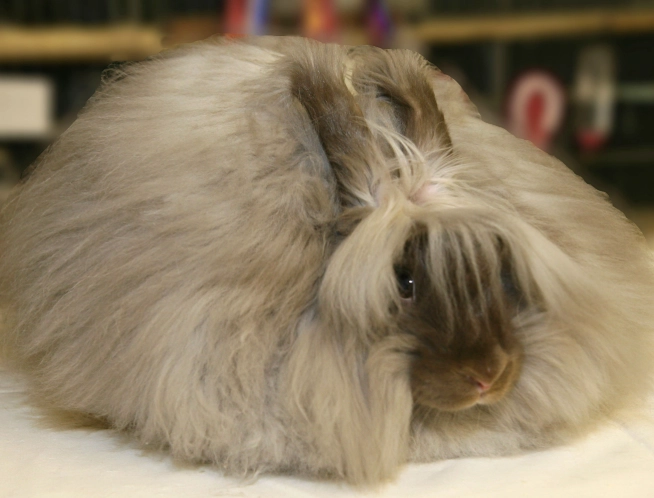
Frequency? Daily for English and Giant Angoras, every other day for others. During shedding seasons (spring and fall), increase to twice daily. I've found that a 10-minute daily session prevents 90% of matting issues.
Common mistake: Rushing through grooming. Angoras are sensitive; stress can cause them to shed more or develop GI stasis. Talk to them, offer a treat, make it a bonding time.
Health Issues Common in Angora Rabbits and Prevention Tips
Angoras are prone to specific health problems, largely due to their wool. Wool block is the big one—ingested fur accumulates in the stomach, causing blockages. Symptoms include reduced appetite, small or no droppings, and lethargy. Prevention is straightforward: high-fiber diet, regular grooming to remove loose fur, and occasional papaya enzyme supplements.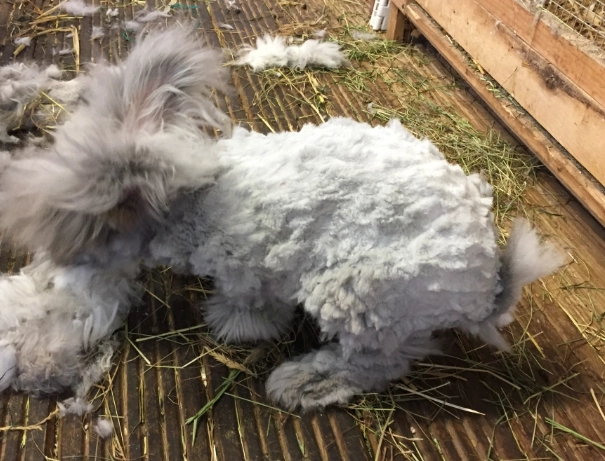
Other issues:
- Flystrike: Flies lay eggs on soiled wool, leading to maggot infestation. Keep the rear end clean, especially in warm weather. I check Cloud's bottom daily and trim wool if needed.
- Dental problems: Malocclusion (misaligned teeth) is common. Provide plenty of hay and chew toys. Annual vet check-ups are crucial; my vet catches early signs I might miss.
- Heatstroke: Their wool insulates too well. In summer, I use frozen water bottles or ceramic tiles in their enclosure to cool them down.
Vet care: Find an exotic vet experienced with rabbits. Regular visits, at least yearly, can catch issues early. Vaccinations vary by region; in the UK, for example, myxomatosis vaccines are essential, as noted by the Rabbit Welfare Association.
Personal story: I once skipped a vet visit for Cloud, thinking he was fine. A month later, he had early-stage wool block that cost hundreds to treat. Lesson learned—proactive care saves money and stress.
Frequently Asked Questions (FAQs)
Angora rabbits are a commitment, but with the right care, they're rewarding pets. Start with a breed that matches your lifestyle, invest in good grooming tools, and stay vigilant on health. For more resources, check authoritative sites like the House Rabbit Society or consult local breeders—they often have insights you won't find online.
Comment