You see a picture of a French Lop. Those ears. That massive, loaf-like body. They look like a stuffed animal come to life, radiating calm and gentleness. It's easy to fall in love instantly. But here's the reality many new owners aren't prepared for: that adorable giant is essentially a 15-pound toddler with teeth, a complex digestive system, and the potential to live over 10 years. I've cared for rabbits for years, and the biggest mistake I see is people choosing a French Lop for their looks without grasping the sheer scale of commitment—literally and figuratively.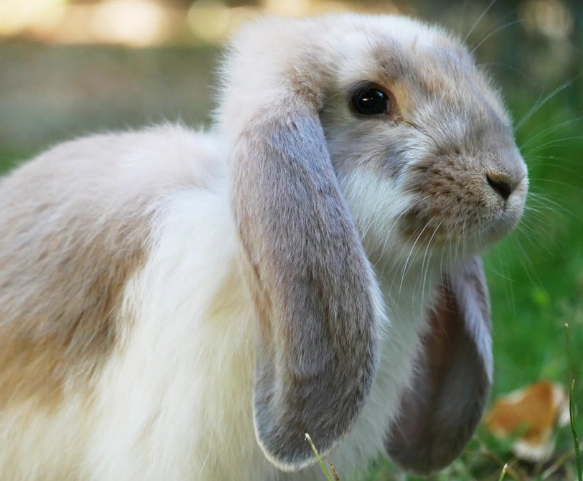
Your Quick Guide to French Lops
What Makes a French Lop Unique?
Let's clear something up. "Lop" just means droopy ears. But the French Lop isn't just a lop; it's a specific, heavy-boned giant breed developed in France in the 19th century by crossing large English breeds with Flemish Giants. They were originally for meat and fur, but their temperament won people over.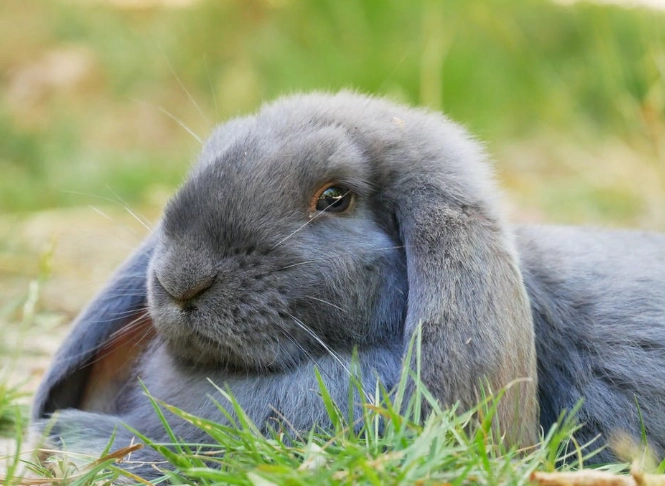
The first thing you notice is the size. We're talking about a rabbit that can weigh 10 to 15 pounds, sometimes more. That's the size of a small dog. Their body is thick, muscular, and wide across the shoulders and hindquarters—a "mandolin" shape. Then there are the ears. They don't just flop; they hang massively down the sides of their head, measuring 5 to 8 inches below the jawline, framing a sweet, wide face.
But the magic is in their personality. Compared to skittish, high-energy dwarf breeds, French Lops are famously laid-back. They mature into calm, patient companions. Many enjoy being petted and will happily flop next to you. This doesn't mean they're inactive or dull. They have moments of playful binkies (joyful jumps) and zoomies, but their overall energy level is lower. They're observers, often content to watch the household activity from a comfortable spot.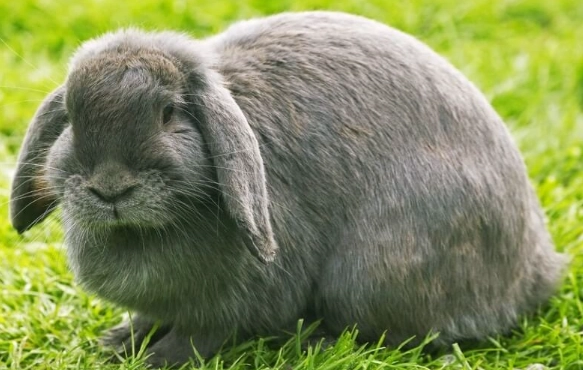
Personal observation: My friend's French Lop, "Mochi," has a nightly ritual. Around 8 PM, he waddles to the center of the living room rug, sprawls out flat (we call it "splooting"), and sighs. It's his signal that the living room is now his. He'll stay there for hours, accepting pets from anyone who walks by. It's this predictable, grounded presence that defines the breed.
Is a French Lop the Right Rabbit for You?
This is the most important section. Don't decide based on cuteness alone. Let's break down the brutal honesty of living with a giant bunny.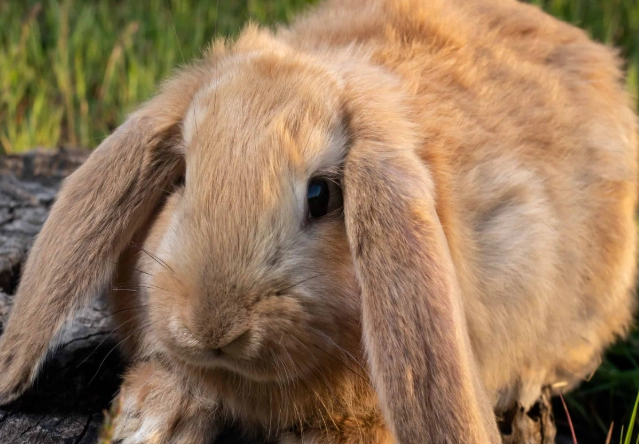
| The Pros (The Good Stuff) | The Cons (The Reality Check) |
|---|---|
| Calm Temperament: Less likely to spook, generally more tolerant of handling and household noise. | Enormous Space Needs: A standard rabbit cage is an insult. They need a whole pen or a rabbit-proofed room. |
| Less Destructive: Still chewers, but often less frenetic than dwarf breeds. They're more likely to nap on your baseboard than eat it. | Significant Costs: Everything is bigger: food bills, vet bills (exotics care is pricey), litter, toys, supplies. |
| Impressive Presence: There's a unique joy in interacting with such a large, gentle creature. They feel more like a companion animal. | Health Vulnerabilities: Prone to sore hocks, arthritis, and GI stasis due to their weight. Requires vigilant health monitoring. |
| Good with Families: Their patient nature can be better for calm, older children who understand gentle interaction. | Not "Cuddly" in the Traditional Sense: Most rabbits hate being picked up. Affection is on their terms—petting while they're on the floor. |
| Long Lifespan: With proper care, they can live 8-12 years. That's a long-term commitment. | Heavy Cleanup: More poop, more pee, larger litter boxes to change. You need a strong back and a good routine. |
Here's a non-consensus point I rarely see mentioned: their size can lead to under-stimulation. People see a calm rabbit and think they need less interaction. Wrong. A bored giant is a destructive giant or one prone to depression. They still need puzzles, foraging toys, and social time. Their calmness means you have to be proactive about their enrichment.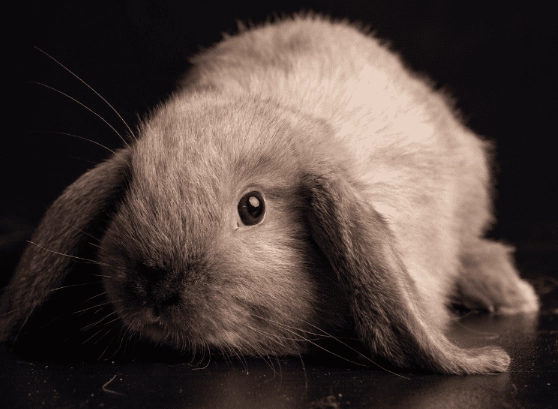
How to Care for a French Lop: A Step-by-Step Guide
Okay, you're still interested. This is where we get into the nitty-gritty of daily life with a French Lop. Forget everything you know about hamster cages.
Housing: Think Studio Apartment, Not Cage
The minimum enclosure size? Aim for at least 4 feet by 4 feet just for their permanent home base. This is often an exercise pen (x-pen) for dogs. A Midwest or Critter Nation double unit can work if heavily modified. Inside, you need space for a large litter box (like a concrete mixing tub), a hay feeder, water bowl/bottle, a hidey house big enough for them to turn around in, and still have room to stretch out.
But that's just their bedroom. They need daily supervised free-roam time in a rabbit-proofed area for several hours. This is non-negotiable for their physical and mental health. Baseboards, cables, houseplants—all must be protected. Their powerful teeth can make quick work of anything.
Diet: The Hay Mountain
A giant rabbit eats a giant amount of hay. Their diet should be:
80% Unlimited Grass Hay: Timothy hay is best for adults. Plan on a minimum of 10-15 pounds per month for one French Lop. It's not a garnish; it's the main course that keeps their gut moving and teeth worn down.
15% Fresh Leafy Greens: A packed cup per day. Romaine, kale, cilantro, spring mixes. Avoid iceberg lettuce and introduce new greens slowly.
5% High-Quality Pellets: About 1/4 cup per day. Choose plain timothy-based pellets, no colorful bits or seeds. Oxbow and Science Selective are reliable brands.
Fruits and carrots are sugary treats, given sparingly (think a thumbnail-sized piece once a week). Their digestive system is finely tuned. Disrupting it with the wrong foods is the fastest way to a deadly condition called GI stasis.
Health & Grooming
Find an exotics veterinarian before you get the rabbit. Not all vets see rabbits, and fewer are experienced with giants. Annual check-ups are a must.
Sore Hocks (Pododermatitis): This is a major concern. Their heavy weight presses on the fur and skin on their hocks. Check their feet regularly for redness, bald patches, or sores. Provide thick, soft resting surfaces like fleece blankets or vet bedding over solid flooring.
Grooming: They shed heavily, especially during molts. Brush them several times a week with a slicker brush to prevent them from ingesting too much fur, which can cause blockages. Their nails grow quickly and need regular trimming.
Spaying/Neutering: This is critical, not optional. It prevents reproductive cancers (especially high in females), reduces territorial spraying/aggression, and allows for litter training and potential bonding with another rabbit.
Common Questions About French Lops (Answered)
The French Lop is a magnificent creature. They offer a unique, grounding companionship that's different from a cat or dog. But they are a serious pet for a serious owner. They require space, time, money, and a deep understanding of rabbit biology and behavior. If you can provide that, you'll be rewarded with a gentle, loving giant who will be a part of your family for a decade or more. If not, there are smaller, equally wonderful rabbit breeds that might be a better fit. The choice comes down to honest self-assessment.
Comment