You see them in pet stores and all over social media—those adorable, compact rabbits with ears that flop down like soft velvet curtains. The Mini Lop. It's easy to think they're just a cute, low-maintenance pet. I thought that too, over a decade ago when I got my first one. The reality? They are fantastic companions, but "low-maintenance" is a myth that does them a disservice. This guide isn't just a list of facts; it's what I've learned from years of shared life with these quirky, gentle creatures, including the mistakes I made so you don't have to.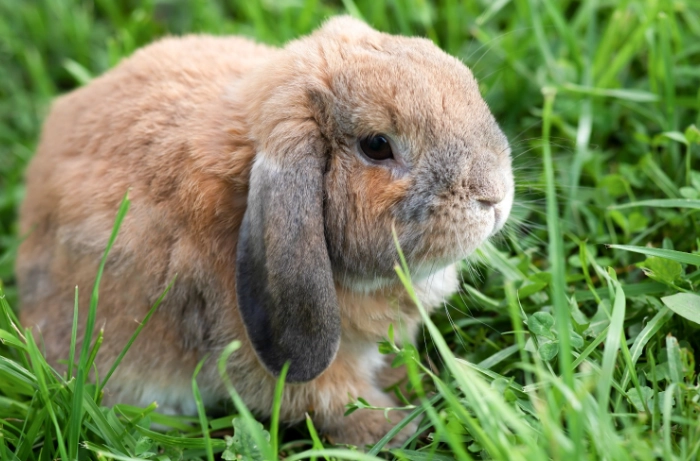
What You’ll Learn Inside
What Exactly Is a Mini Lop? Beyond the Floppy Ears
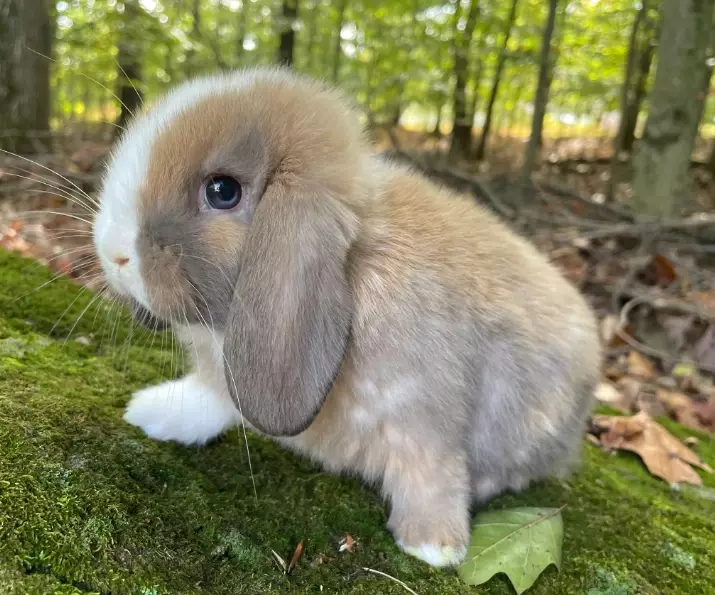
Let's clear something up first. The "Mini" in their name can be misleading. They're not the tiniest rabbit breed—that title often goes to the Netherland Dwarf. A well-bred Mini Lop is a small to medium-sized, muscular rabbit with a substantial feel. Think of a weight range between 4.5 to 6.5 pounds, like a small bag of flour. Their most famous feature, the lopped ears, should hang close to their cheeks, framing a sweet, broad head.
Their history is a bit of a transatlantic story. The breed we know in the US and UK was developed in Germany in the 1970s, blending several breeds to get that specific, cobby body and gentle temperament. They were recognized by the American Rabbit Breeders Association (ARBA) in the 1980s and skyrocketed in popularity. Not just for their looks, but for their generally calm and friendly disposition.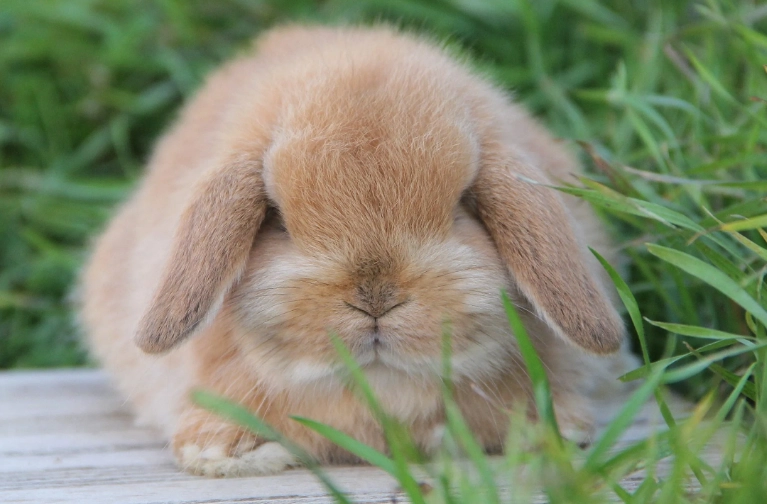
But here's the non-consensus bit everyone glosses over: that wonderful temperament is heavily dependent on breeding, socialization, and handling from a young age. A poorly bred or unsocialized Mini Lop can be skittish or even aggressive. I've met a few. Always, always try to meet the parents if you can, or choose a rescue that can tell you about the rabbit's personality. A reputable breeder or rescue is your first and most important decision.
The Real Checklist Before You Bring a Mini Lop Home
This is where most first-time owners underestimate. It's not just about buying a cage. You're setting up a habitat for an intelligent, active animal that needs space, security, and stimulation.
The Space Rule: Forget tiny store-bought cages. The minimum enclosure size for a single Mini Lop should be at least 4ft x 2ft, but that's just for their base. They need several hours daily in a larger, puppy-pen-proofed exercise area. Free-roaming in a rabbit-safe room is the ideal.
Let's talk budget, because no one else does. The rabbit itself might cost $50 from a rescue or $100+ from a breeder. The startup costs are the real investment:
- Housing: A large exercise pen (x-pen) is more flexible than a cage. ($70-$120).
- Essentials: Heavy ceramic food bowls, a large water bowl or bottle, a litter box (cat-sized), a hay rack, and hidey houses. ($60-$100).
- Consumables: The first bags of hay, pellets, litter (paper or wood pulp based, not clumping cat litter or pine/cedar shavings). ($40).
- The Vet Fund: This is critical. An initial check-up, plus mandatory spaying/neutering (which calms behavior and prevents reproductive cancers), can run $200-$500. You must have an exotics vet lined up—not all vets see rabbits.
See? The rabbit is the cheapest part.
The Non-Negotiable Daily Care Routine
Diet: It's All About the Hay
I'll shout it: Unlimited grass hay. Timothy, Orchard, Oat hay—this should be 80% of their diet. It keeps their teeth ground down (which never stop growing) and their gut moving. Fresh vegetables (romaine, cilantro, bell peppers) come next. Pellets are just a supplement—a small 1/4 cup per day of a plain, hay-based pellet. The treat jar? That's where people mess up. A tiny piece of fruit (like a blueberry) is a rare treat, not a daily snack. Obesity is a silent killer in lops.
Grooming: It's More Than Just Looking Good
That beautiful coat needs help. A weekly brush is mandatory, but during shedding seasons (spring and fall), it's a daily battle. If you don't, they ingest too much hair, leading to potentially fatal GI stasis. Check their nails every month. And those iconic ears? Gently check inside weekly for any wax buildup or redness.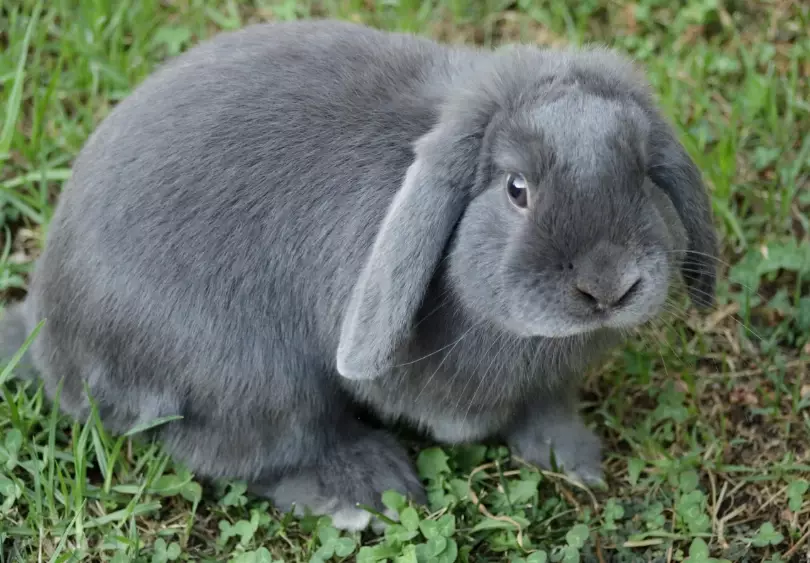
Watch Out: Never bathe a rabbit. It's extremely stressful and can lead to shock or hypothermia. Spot clean only with a damp cloth.
Health Vigilance: Spotting Trouble Before It's an Emergency
Rabbits are prey animals. They hide illness brilliantly until they can't. You must become a detective. The most common issues for Mini Lops often stem from their compact anatomy.
| Issue | What to Look For | Prevention Tip |
|---|---|---|
| GI Stasis | No fecal pellets, hunched posture, loss of appetite, lethargy. This is an ER situation. | Unlimited hay, daily exercise, minimal stress. |
| Dental Problems | Drooling, dropping food, weight loss, reduced appetite. Their teeth can develop painful spurs. | Constant hay chewing is the only natural tooth file. Yearly vet dental checks. |
| Ear Infections | Head shaking, scratching at ears, foul odor, crustiness inside the ear. | Keep living area dry and clean. Regular gentle ear inspections. |
| Sore Hocks | Bald, red, or ulcerated patches on the bottom of the feet. | Provide soft, dry resting areas (fleece mats) and avoid wire-bottom cages entirely. |
The moment your rabbit stops eating or pooping normally, it's time to call the vet, not wait and see.
Understanding Mini Lop Behavior (It's Not Just Cuddles)
They might look like stuffed animals, but they have complex emotions and communication styles. A happy Mini Lop might "binky"—a sudden leap and twist in the air. They purr by gently grinding their teeth when content. Thumping is a warning or sign of annoyance.
Litter training is usually straightforward. Put a litter box in the corner they choose to use, add some hay in it (they like to munch while they go), and use positive reinforcement.
But the biggest behavioral need that's often missed? Mental stimulation and companionship. A bored rabbit is a destructive rabbit. Provide tunnels, cardboard castles, stacking cups, and treat puzzles. And seriously consider getting a bonded friend. A neutered pair of rabbits provides social interaction you simply can't give them 24/7. The House Rabbit Society, a fantastic resource, strongly advocates for rabbit pairs. The bonding process takes work, but watching them groom and snuggle is the ultimate reward.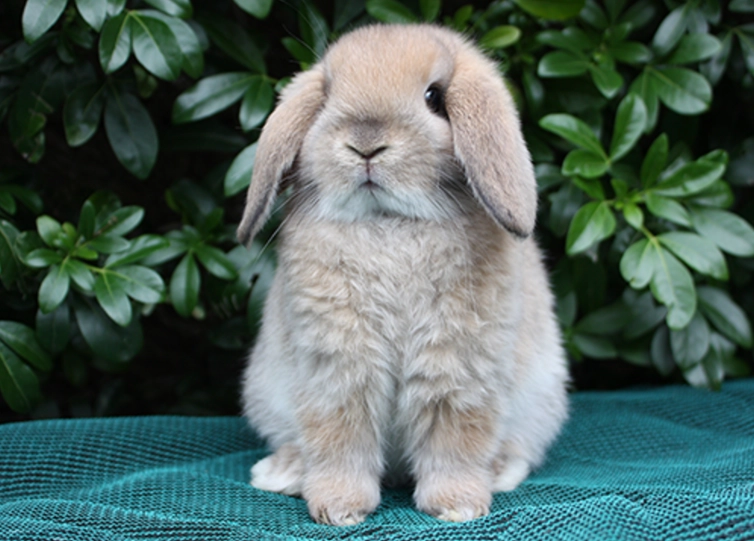
Your Top Mini Lop Questions, Answered
How big do Mini Lop rabbits actually get?
What is the best diet to prevent common Mini Lop health problems?
How do I stop my Mini Lop from chewing everything?
Can a single Mini Lop rabbit be happy, or do they need a friend?
 Bringing a Mini Lop into your life is a long-term commitment of 8-12 years. It's not always easy. There will be chewed charger cables, stubborn shedding fur, and vet bills. But there will also be the gentle nudge of a nose against your hand, the silly sight of a full-grown rabbit flopped over in total contentment, and the quiet companionship of a creature that chooses to trust you. Do your homework, set up right, and you'll gain a truly wonderful friend.
Comment