Jump Straight to What Matters
Let's cut to the chase. A "huge rabbit" isn't just a big bunny; it's a commitment that scales up in every way. I learned this after adopting a Flemish Giant named Bruno five years ago. Most guides gloss over the gritty details, but here, we'll dive into what it really takes—from space requirements to vet bills you might not expect.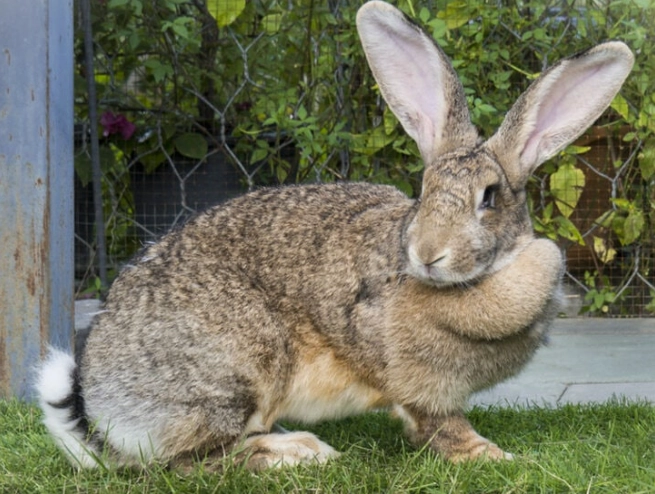
What Does "Huge Rabbit" Actually Mean?
In rabbit circles, "huge" or "giant" refers to breeds typically weighing over 13 pounds. The big three are:
- Flemish Giant: The poster child, often hitting 20+ pounds. Gentle but needs room.
- Continental Giant: Similar size, bred from Flemish stock in Europe.
- Checkered Giant: Lighter frame around 15 pounds, but still large with distinctive markings.
Many people think they're just scaled-up versions of smaller rabbits. That's a mistake. Their metabolism, bone structure, and behavior differ. Bruno, for instance, gets joint stiffness if I don't provide soft flooring—a issue rare in dwarfs.
Pro tip: Always check pedigree if buying from a breeder. Some "giants" are mixed breeds with unpredictable health traits. Reputable breeders list with organizations like the American Rabbit Breeders Association.
Daily Care Breakdown: Time and Cost
Caring for a huge rabbit isn't cheap or quick. Here's a realistic weekly schedule based on my routine:
- Morning (15 mins): Refill hay rack, refresh water, spot-clean enclosure.
- Evening (30 mins): Serve veggies and pellets, playtime or free-roaming, full enclosure clean twice a week.
- Monthly tasks: Nail trimming, weight check, deep-clean toys and bedding.
Cost-wise, budget at least $80 monthly for food and supplies. Hay is the biggest expense—Bruno goes through a 10-pound bale of timothy hay every three weeks. Vet bills? Annual check-ups run $150-$300, and emergencies like GI stasis can hit $500+. Pet insurance helps; I use a plan from Nationwide that covers exotics.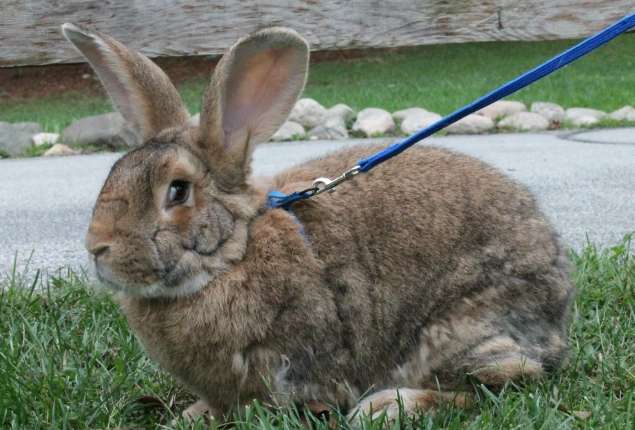
I see owners underestimate this. They buy a cute giant rabbit, then struggle with the ongoing effort. It's like having a small dog, but quieter.
Diet Deep Dive: Beyond the Basics
Feeding a huge rabbit isn't about more food; it's about the right balance. Here's what works:
Hay: Non-Negotiable and Unlimited
Timothy or orchard grass hay should make up 80% of their diet. Giant rabbits need constant fiber to prevent gut issues. I buy from Small Pet Select—their hay is fresh and less dusty, which matters for Bruno's respiratory health.
Pellets: Measure Precisely
Limit pellets to 1/4 cup per 5 pounds of body weight daily. For a 20-pound rabbit, that's 1 cup. Use plain, alfalfa-free pellets. Overfeeding leads to obesity; Bruno gained two pounds once when I got lazy with portions.
Vegetables: Variety and Caution
Daily veggies should include romaine lettuce, cilantro, and bell peppers. Avoid high-calcium greens like kale to prevent bladder sludge. I rotate weekly to keep Bruno interested.
Watch out: Giant rabbits are prone to dental malocclusion. If they stop eating hay, vet check immediately. I learned this after Bruno needed a tooth filing—a $200 lesson.
Housing Setup: Avoiding the Cage Trap
Standard rabbit cages are useless for huge rabbits. They need space to stretch and hop. Here's my setup for Bruno:
- Enclosure: A custom 4ft x 6ft pen made from NIC grids (cost: $120). It gives 24 square feet.
- Flooring: Soft mats over vinyl flooring to protect joints.
- Accessories: Large litter box (cat-sized), hay rack attached to the wall, and hideouts big enough for him to turn around.
Free-roaming time is essential. I rabbit-proof my living room daily—covering wires, removing toxic plants. Even then, Bruno once chewed a baseboard. It happens.
If you're in an apartment, consider a room divider to create a dedicated zone. Space is the biggest pain point for owners; I've seen rabbits develop stereotypes from confinement.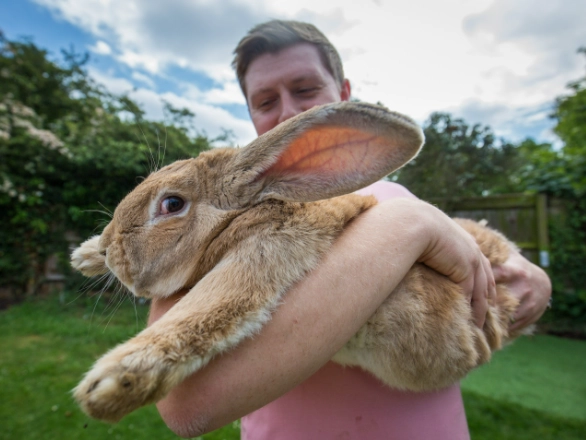
Health Problems Unique to Giant Rabbits
Giant breeds have specific health vulnerabilities. Based on vet reports and my experience:
- Osteoarthritis: Common in older giants. Provide ramps and soft bedding. Bruno gets a glucosamine supplement recommended by his vet.
- Heart issues: Larger bodies strain the heart. Watch for lethargy or labored breathing.
- Sore hocks: Weight pressure can cause foot sores. Use fleece liners, not hard surfaces.
Preventive care is key. I take Bruno for check-ups every six months. His vet, who specializes in exotics at a clinic affiliated with the Association of Exotic Mammal Veterinarians, does blood work to monitor organ function.
One subtle mistake: skipping nail trims. Long nails alter posture, leading to joint pain. I trim every three weeks.
History and Context: Why Giant Breeds Exist
Giant rabbits like the Flemish Giant originated in 16th-century Flanders (modern-day Belgium), bred for meat and fur. They were practical farm animals. In the 1900s, shows popularized them as pets. The Continental Giant emerged from selective breeding in Germany.
Understanding this history helps. These rabbits weren't designed for couch life; they have robust frames from working lineages. That's why they need more exercise than smaller breeds.
I visited a rabbitry in the UK once, and the breeder emphasized how modern giants retain that hardy nature. It's not just size—it's temperament too.
Your Questions Answered
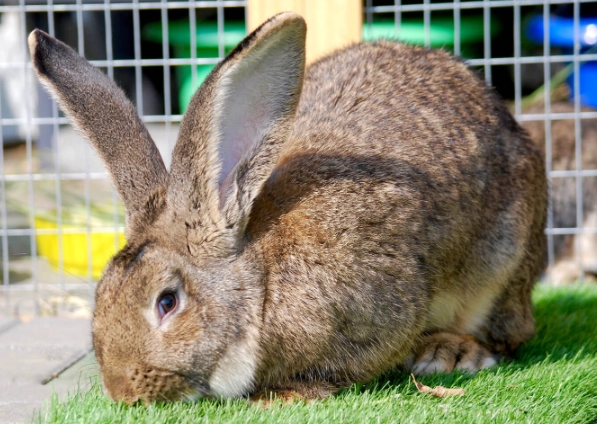
Final thought: Owning a huge rabbit is rewarding but demanding. They're gentle giants who thrive with dedicated care. Start with space and diet, and you'll avoid most pitfalls. Bruno turned my home into a rabbit haven, and it's worth every effort.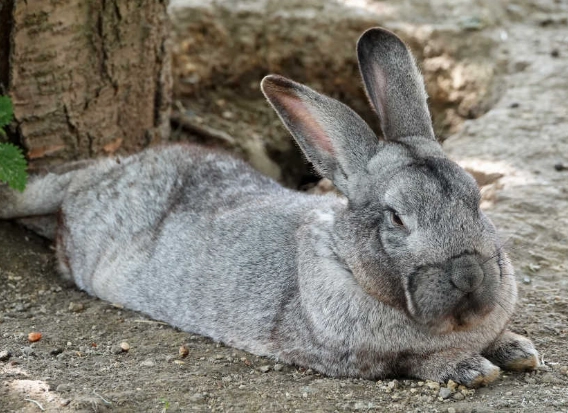
Comment