Quick Guide
- The Short Version: Is Cucumber Safe for Bunnies?
- Why You Might Want to Feed Your Rabbit Cucumber (The Good Stuff)
- The Not-So-Great Side: Risks and Why Moderation is Key
- The Practical Guide: How to Feed Cucumber to Your Rabbit Safely
- What About the Seeds and Skin? The Parts Breakdown
- Beyond Cucumber: What Else Can (and Can't) Your Rabbit Eat?
- Your Questions Answered: The Rabbit Cucumber FAQ
- The Bottom Line: A Simple Summary for Busy Owners
So you're standing in the kitchen, looking at your bunny happily munching on hay, and you wonder about that cucumber sitting in your fridge. It's a simple question, right? Can rabbits have cucumbers? I had the same thought when I first got my rabbit, Thumper. I'll cut to the chase: yes, rabbits can eat cucumbers. But – and this is a big but – it's not as simple as just handing them a slice. There's a right way and a whole lot of wrong ways to do it.
I made some mistakes early on. I thought because it was mostly water and seemed harmless, I could give Thumper a big chunk. Let's just say the result was a messy hutch and a lesson learned. That experience sent me down a rabbit hole (pun intended) of research, talking to vets, and reading everything from pet owner forums to official guidelines from places like the House Rabbit Society and the RSPCA. What I found was a mix of good advice, some myths, and a lot of confusion for new owners.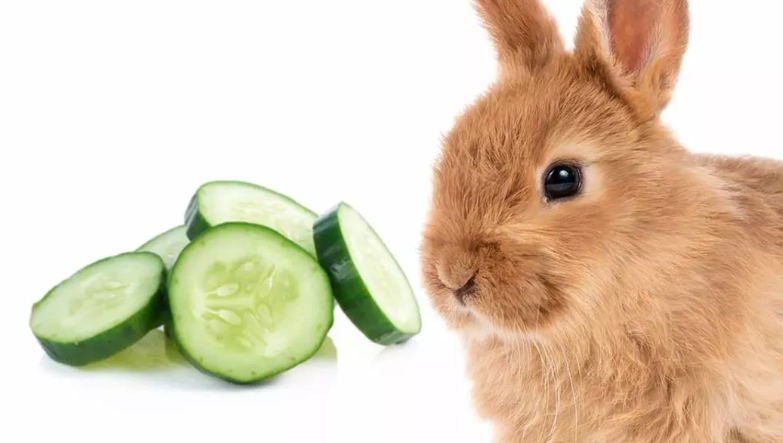
This guide is everything I wish I'd known. We're going to dig into not just the simple 'yes' or 'no' to can rabbits eat cucumbers, but the why, the how much, the when, and the what-ifs. If you've ever worried about giving your bunny the wrong thing, you're in the right place.
The Short Version: Is Cucumber Safe for Bunnies?
Before we dive deep, here's the quick summary for the skimmers. Cucumber is non-toxic and safe for rabbits to eat in moderation. It's a hydrating, low-calorie treat. However, it's nutritionally poor (mostly water) and can cause digestive upset like diarrhea if fed in large quantities. It should never replace hay, fresh greens, or pellets in their diet. Think of it as an occasional snack, not a staple.
Why You Might Want to Feed Your Rabbit Cucumber (The Good Stuff)
Let's talk about the benefits. Why even consider cucumber? Well, it's not all bad news. When used correctly, it can have a couple of perks.
First off, hydration. Rabbits don't always drink enough water, especially older ones or during hotter months. A slice of cucumber is over 95% water. It's a sneaky way to get some extra fluids into them. I've found Thumper is more interested in a watery veggie than his water bowl sometimes.
Then there's the low calorie factor. If you have a rabbit prone to weight gain (like certain larger or less active breeds), cucumber is a decent treat option because it's so low in sugars and calories compared to fruits like apples or bananas. It gives them something to crunch on without packing on the pounds.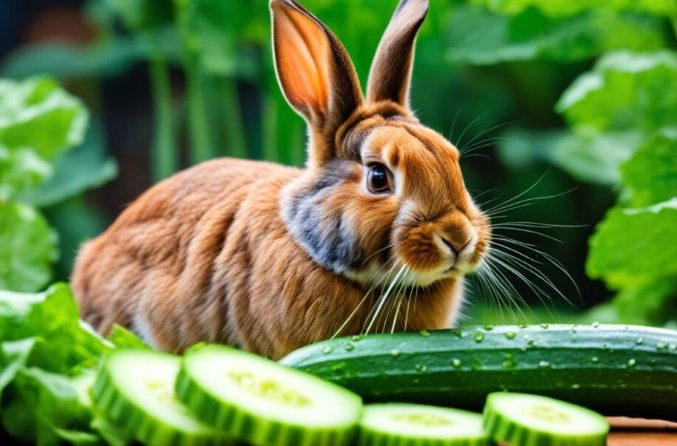
A minor point, but some rabbits just enjoy the texture and taste. The mild flavor and crunchy texture can be appealing and provide a bit of enrichment. Variety is the spice of life, even for bunnies.
You might also find small amounts of vitamins like Vitamin K and some minerals like potassium and magnesium. But let's be real – the amounts are tiny. Don't rely on cucumber for nutrition. That's what their dark leafy greens are for.
The Not-So-Great Side: Risks and Why Moderation is Key
This is the part most blog posts gloss over, but it's crucial. Understanding the risks is what separates a responsible owner from one who accidentally makes their pet sick.
The number one risk is digestive upset. A rabbit's digestive system is a finely tuned machine built for processing high-fiber, low-moisture foods like hay. Dump too much high-water, low-fiber food like cucumber into that system, and it can grind to a halt – or speed up too much. The result? Soft cecotropes, diarrhea, or in worse cases, gastrointestinal stasis (GI stasis), which is a life-threatening condition. I learned this the hard way with that first oversized piece I gave Thumper.
Then there's nutritional dilution. This is a fancy term for a simple problem. If your rabbit fills up on cucumber (which is basically crunchy water), they'll eat less of their hay and nutrient-dense greens. Hay is non-negotiable for dental health and gut motility. A diet heavy on cucumber can lead to nutritional deficiencies over time because it's displacing the good stuff.
Some people worry about pesticides. It's a valid concern if you're not using organic or not washing thoroughly. The skin can hold residues. And while rare, some individual rabbits might be sensitive or have an allergic reaction to a new food.
What Happens If You Get It Wrong? A Quick Comparison
| Feeding Cucumber Correctly | Feeding Cucumber Incorrectly (Overfeeding) |
|---|---|
| Happy, hydrated bunny with normal, firm droppings. | Lethargic bunny, possibly hunched in pain. |
| Eats all their hay and regular greens eagerly. | Loss of appetite for hay, only wants the "wet" treat. |
| Occasional treat that adds variety. | Watery, smelly diarrhea or uneaten cecotropes stuck to fur. |
| No change in behavior or energy levels. | Risk of triggering gastrointestinal stasis. |
See the difference? It's huge. Asking "can rabbits have cucumbers" isn't just about safety, it's about responsible practice.
The Practical Guide: How to Feed Cucumber to Your Rabbit Safely
Okay, so you've weighed the pros and cons and want to give it a try. Here's exactly how to do it without the mess I created.
Step 1: Preparation is Everything
Always, always wash the cucumber. I run it under cold water and give it a gentle scrub with a vegetable brush. If you're really concerned or it's not organic, you can peel it. The skin is where most pesticides hang out, though it also has a bit more fiber. Personally, I peel it for Thumper because I buy conventional. It's an extra step, but it eases my mind.
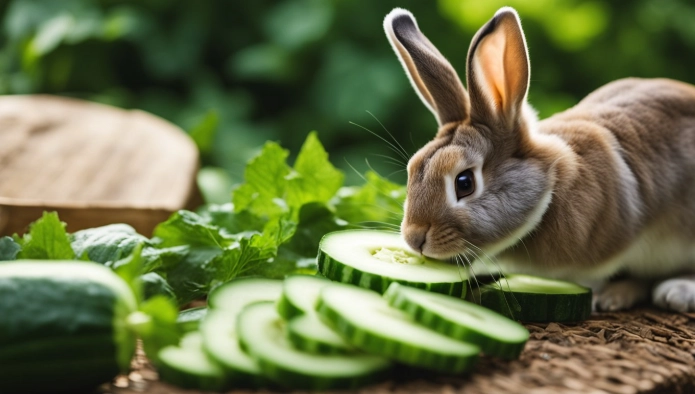
Cut it into appropriate-sized pieces. For a medium-sized rabbit, I aim for slices about the size of a quarter (coin) and no thicker than your pinky finger. You can also do small cubes or thin sticks. Avoid huge chunks – they're a choking hazard and just too much at once.
Step 2: The Golden Rule of Serving Size
This is the most important part. How much cucumber can a rabbit have?
The general rule from experts is that treats (including non-leafy veggies like cucumber) should make up no more than 10% of your rabbit's daily diet. The bulk (80-90%) should be unlimited grass hay, with the rest being leafy greens and a small amount of pellets.
For a typical 5-6 lb (2-2.5 kg) rabbit, this translates to roughly:
- 1-2 thin slices or a few small cubes, 2-3 times per week maximum.
- Not every day. Treat it like you would a cookie for a kid – a sometimes food.
When in doubt, give less. You can always give a little more next time if they handle it well.
Step 3: Introduction and Observation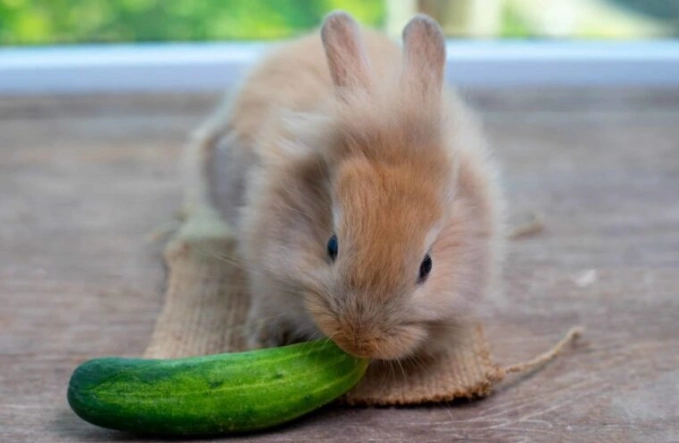
If your rabbit has never had cucumber before, start with a tiny piece – think half a teaspoon's worth. Watch them for the next 24 hours. You're looking for any changes in their poop (it should stay round, dry, and plentiful), their appetite for hay, and their energy levels. If all is normal, you can slowly offer a bit more next time.
Never introduce multiple new foods at once. If you're trying cucumber, don't also introduce bell pepper or a new fruit in the same week. If there's a problem, you won't know what caused it.
Quick-Check Feeding Steps:
- Wash (or peel) the cucumber thoroughly.
- Cut into small, bite-sized pieces (coin-sized slices or small cubes).
- Start small with a new rabbit – just a tiny piece.
- Limit to 1-2 slices, 2-3 times a week for an average-sized bunny.
- Observe their droppings and behavior for the next day.
- Always serve alongside their normal diet, never as a replacement.
What About the Seeds and Skin? The Parts Breakdown
Another common twist on the question can rabbits eat cucumbers is about the specific parts.
- The Flesh (the main part): This is the safe, hydrating part we've been talking about. Go for it, in moderation.
- The Skin/Peel: Generally safe if washed well. It has a bit more fiber. However, due to potential pesticide concentration and the fact it can be tougher to digest for some bunnies, many owners (myself included) choose to peel it. It's not strictly necessary, but it's a cautious approach.
- The Seeds: Most cucumbers sold today have very small, soft, undeveloped seeds that are perfectly safe. You don't need to remove them. The large, hard seeds found in some garden-variety or overripe cucumbers could pose a minor choking risk or be harder to digest. If the seeds are large and noticeable, it's best to scoop them out.
- The Ends/Stem: I usually cut these off. They're tougher, more bitter, and might have more concentrated dirt or sprays. Not worth the risk for a tiny part of the vegetable.
My personal routine? I buy English cucumbers (they often have fewer seeds), give them a good wash, peel them, slice off the ends, and cut a few thin rounds for Thumper. It takes two minutes and feels like the safest bet.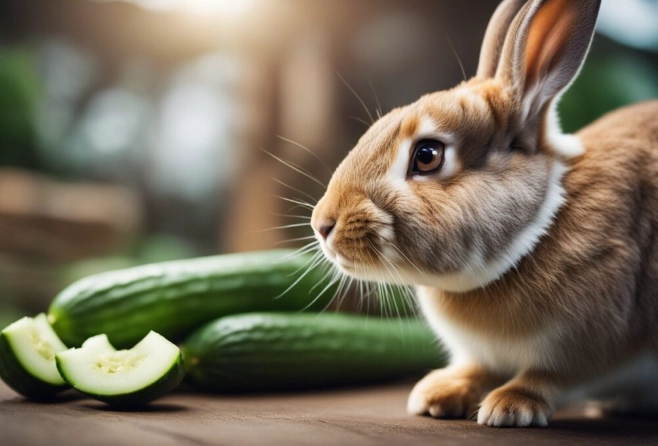
Beyond Cucumber: What Else Can (and Can't) Your Rabbit Eat?
Figuring out if rabbits can have cucumbers often leads to questions about other foods. Here's a super quick reference, but remember, always research a new food individually.
Excellent Daily Greens (rotate a few types): Romaine lettuce (not iceberg), green/red leaf lettuce, cilantro, parsley, dill, mint, basil, bok choy, carrot tops, kale (in moderation due to calcium). The WabbitWiki vegetable list is an amazing, community-vetted resource I check all the time.
Occasional Treat Veggies (like cucumber): Bell peppers (any color, seeds removed), zucchini, broccoli (florets only, can cause gas), celery (cut very small to avoid string choking).
Fruit Treats (even more occasional, high sugar): Apple (no seeds), banana (tiny piece!), berry (one or two), melon (rind removed).
NEVER Feed: Onions, garlic, leeks, potatoes, rhubarb, avocado, chocolate, candy, cereals, bread, pasta, yogurt drops, seeds, nuts. These can be toxic or cause severe digestive issues.
A quick story: A friend of mine thought "herb" meant all herbs were safe and almost fed her rabbit some chives from her garden. Chives are in the onion family and are toxic! It just shows you can't assume. Always double-check.
Your Questions Answered: The Rabbit Cucumber FAQ
The Bottom Line: A Simple Summary for Busy Owners
Let's wrap this up. After all this talk, here’s what you really need to remember.
The answer to can rabbits have cucumbers is a cautious yes. It's a safe, hydrating, low-calorie treat when fed correctly. But "correctly" is the key word that too many sources skip.
Think of cucumber as the rabbit equivalent of a popsicle on a hot day – refreshing, fun, but with zero nutritional substance. It should never be a dietary cornerstone. That title belongs firmly to grass hay, which should be available 24/7 to keep their teeth worn down and their guts moving. The Merck Veterinary Manual is crystal clear on the importance of fiber as the foundation of a rabbit's diet.
So next time you're prepping a salad and your furry friend gives you the look, go ahead. Wash it, cut a thin slice or two, and offer it as a special snack. Then watch them enjoy the crunch, and go back to monitoring those all-important hay piles.
Because at the end of the day, knowing the full answer to can rabbits eat cucumbers – the benefits, the risks, and the precise how-to – is what makes you a thoughtful, informed, and awesome rabbit parent. And that's the best treat of all for your bunny.
Comment