You see them everywhere in Colorado. A flicker of movement in the sagebrush, a pair of ears poking above the prairie grass, a quick dash across a trail in the foothills. Rabbits and hares are as much a part of the Colorado landscape as the mountains themselves. But most of us just see "a rabbit." We don't think about which species it is, why it's there, or the complex life it leads right under our noses.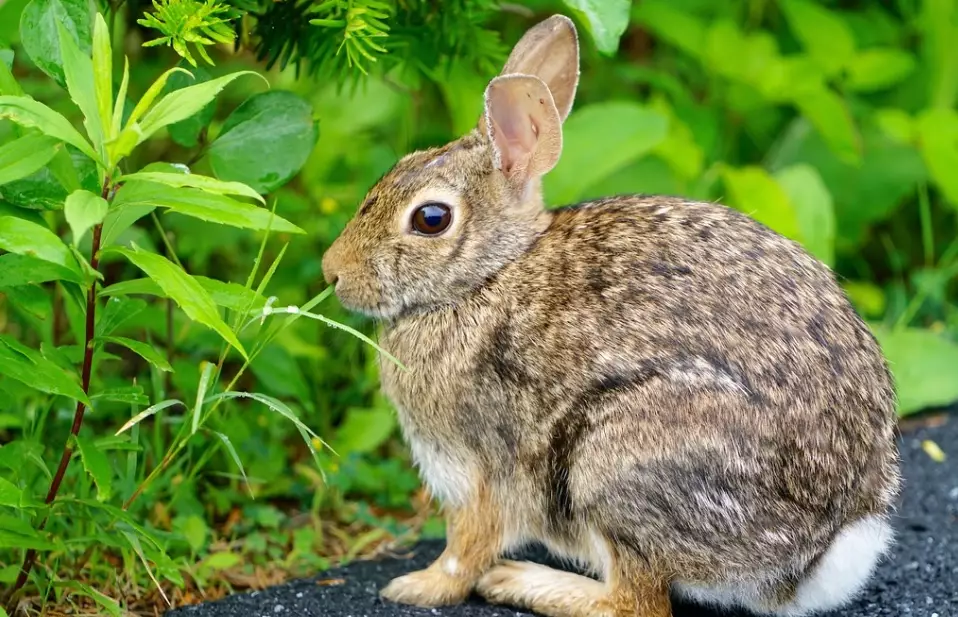
I've spent years watching them—from my backyard in Fort Collins to high-altitude hikes near Crested Butte. It started with simple curiosity and turned into a real appreciation. These aren't just cute lawn ornaments; they're survival experts, ecosystem engineers, and a vital part of the food web. This guide is what I wish I'd known when I first started noticing them. We'll move past the generic bunny picture and into the specifics of life as a rabbit in Colorado.
Quick Navigation: What's in This Guide
Meet the Locals: Colorado's Rabbit Species
First, a crucial distinction. In Colorado, we have both rabbits and hares. The biggest difference? Hares are born fully furred with their eyes open, ready to move within hours. Rabbits are born blind, hairless, and helpless in a burrow. Hares are generally larger, with longer legs and ears. People mix them up all the time.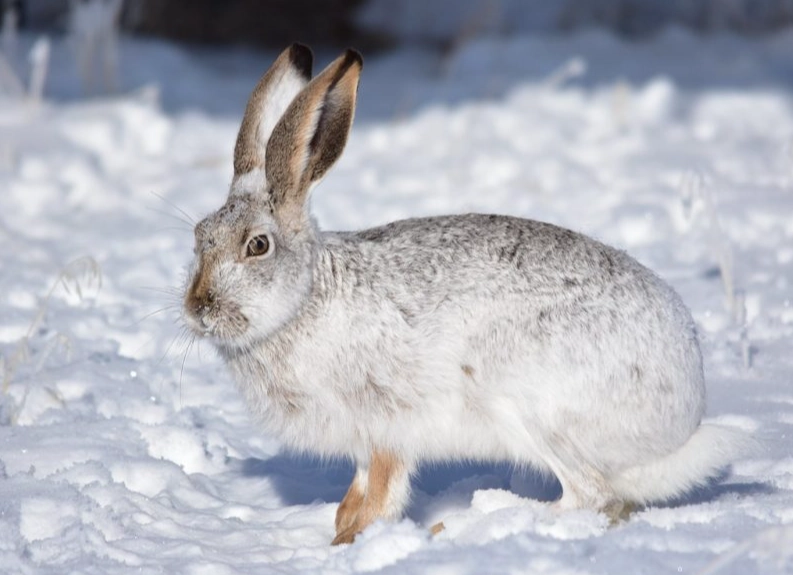
Here are the main characters you'll encounter:
| Species | Type | Key Identifying Features | Where You'll Find Them |
|---|---|---|---|
| Desert Cottontail | Rabbit | Pale gray-brown fur, large ears, distinct white "cotton" tail. Ears often have black tips. | Eastern plains, lower elevations, dry shrublands, urban parks. Very common. |
| Mountain Cottontail | Rabbit | Darker, grizzled brown/gray fur, smaller than desert cousin. Ears shorter with less black. | Foothills, piñon-juniper woodlands, up to around 10,000 feet. Loves brush piles. |
| Black-tailed Jackrabbit | Hare | Very large, long black-tipped ears, long legs. Fur is agouti (grizzled). Tail has a black stripe on top. | Open grasslands, agricultural areas, sagebrush flats. A speedster of the plains. |
| White-tailed Jackrabbit | Hare | Large, turns white in winter (except ear tips). Tail is all white. Summer coat is brownish. | High meadows, alpine tundra, parklands. Found at higher, colder elevations. |
I once confidently pointed at a big jackrabbit near Pueblo and called it a "giant cottontail." A local rancher kindly corrected me, pointing out the hare's distinct black ear tips and that loping gate. It was a humble reminder to look closer.
There's also the Eastern Cottontail, introduced decades ago, which overlaps with the native cottontails. Telling them apart is a job for experts with calipers—the Eastern's skull is slightly different. For most of us, knowing we're looking at a cottontail rabbit is enough.
Home on the Range: Habitat and Daily Life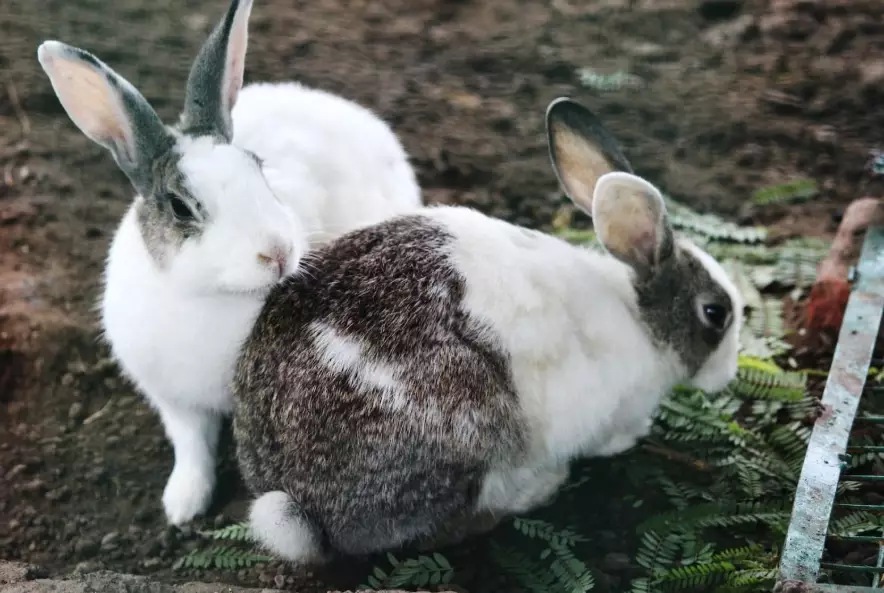
Rabbits don't just live anywhere. They're edge specialists. They thrive in places where two habitats meet—like where a meadow borders a forest, or a garden meets a woodpile. This gives them quick access to food in the open and cover to escape predators.
Contrary to popular belief, cottontails don't dig complex burrows. They're shallow scrapes under dense brush, in abandoned woodchuck holes, or under your shed. Jackrabbits don't burrow at all; they rest in shallow depressions called "forms" in tall grass.
The Rhythm of a Rabbit's Day
They're crepuscular. That means most active at dawn and dusk. During the bright midday, they're tucked away, digesting. On cloudy days or in quieter areas, you might see them out mid-morning.
Their diet is pretty simple: grasses, forbs (broadleaf plants), and the tender bark of young trees in winter. That last one is why orchard owners and gardeners sometimes have issues. A common mistake people make is thinking they only eat lettuce and carrots. In the wild, they're grazing on a huge variety of native plants. Their digestive system is highly specialized, producing two types of droppings. They re-ingest the softer cecotropes to fully absorb nutrients—a process called coprophagy. It's not a sign of illness; it's essential biology.
Socially, they're not colony animals like some think. They have loose, overlapping home ranges. Males can be territorial, especially during breeding season (which is... most of the year, peaking spring through fall).
A Note on Predators: Everything eats rabbits. Coyotes, foxes, bobcats, hawks, eagles, even snakes. This constant pressure shapes every aspect of their behavior—their freeze responses, their zig-zag running patterns, their choice of cover. A healthy rabbit population indicates a healthy predator-prey balance in the ecosystem.
Living With Rabbits: The Coexistence Playbook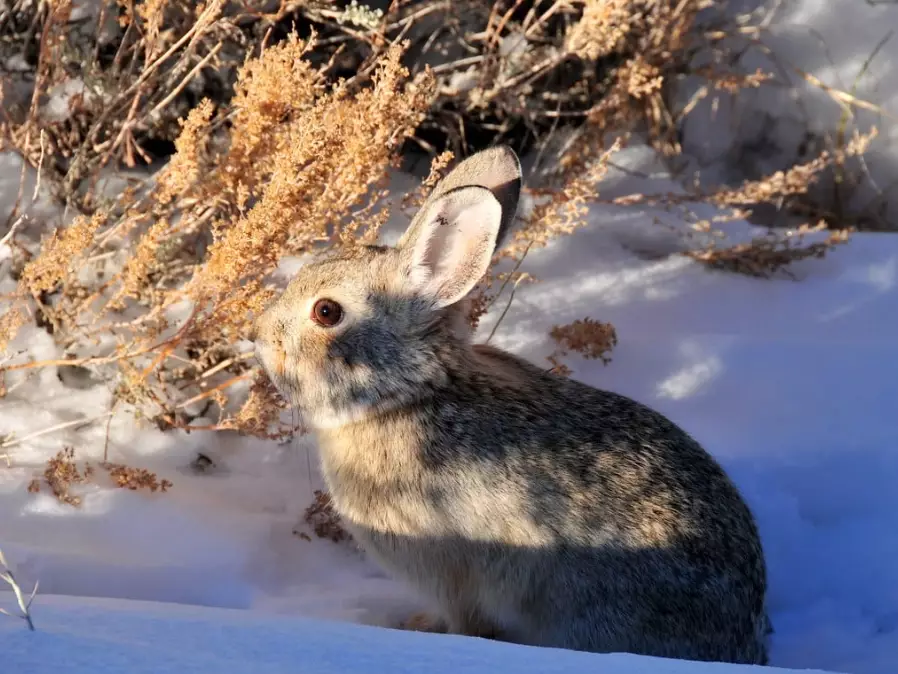
Let's be honest. The relationship sours when they find your newly planted lettuce or gnaw the bark off your prized young aspen. Here's how to manage that without declaring war.
Protecting Your Garden:
Fencing is the only 100% solution. Chicken wire is too flimsy. Use hardware cloth (1/2-inch mesh). Bury it at least 6 inches deep, bent outward in an "L" shape to stop diggers. Above ground, it needs to be 2-3 feet high. For young trees, use spiral tree guards.
Repellents can work, but they're a maintenance chore. The ones based on putrescent egg solids smell terrible to them (and maybe to you). They need reapplication after rain or watering. The homemade remedy of cayenne pepper and garlic spray? In my experience, it washes off too easily and needs constant reapplication.
The most overlooked tactic? Habitat modification. Rabbits are nervous. They hate crossing open ground. Remove their highways—trim tall grass at the edge of your property, clear out brush piles right next to the garden, and pick up debris. Creating a clean, open perimeter of 20-30 feet around what you want to protect is a powerful deterrent.
Important & Often Ignored: Never use poisons or "gasser" products in burrows. You have no idea what else is using that burrow—beneficial snakes, toads, or even other people's outdoor cats. It's also illegal in many areas and causes immense suffering. It's an indiscriminate and cruel approach.
Driving in Rabbit Country:
At dawn, dusk, and night, be extra vigilant, especially on rural roads through grasslands. Jackrabbits, in particular, are drawn to the warmth of pavement and can freeze in headlights. Slowing down gives you and them a better chance.
Rabbit Hotspots: Where and When to Observe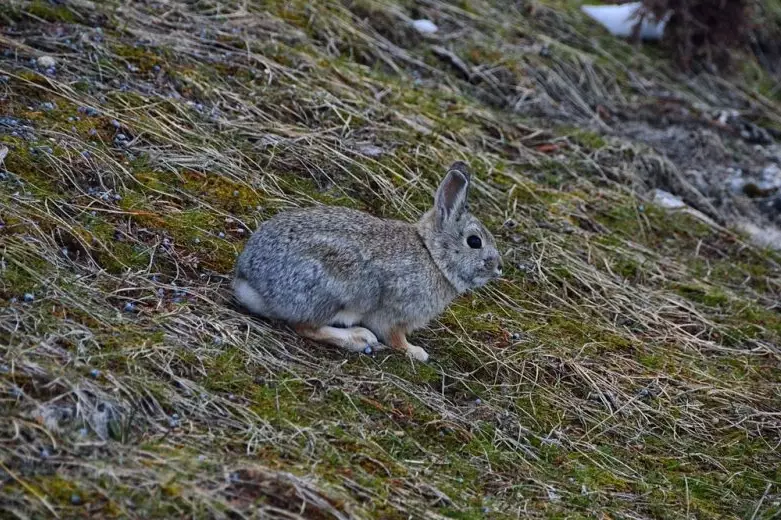
If you want to see them as more than a blur, here are some strategies and specific locations.
Timing is Everything: Be in place at sunrise or the last hour before sunset. Find a spot with a good view of an edge habitat and just sit still for 10-15 minutes. You'll see far more than if you're walking.
Top Public Areas for Rabbit Watching:
1. Rocky Mountain Arsenal National Wildlife Refuge (Commerce City): The mix of prairie, lakes, and shrubs is perfect. Drive the wildlife loop slowly at dawn. You'll likely see both cottontails and black-tailed jackrabbits.
2. Boulder Foothills: Trails like the Mesa Trail or around Chautauqua Park. Mountain cottontails are abundant in the scrub oak and rock outcroppings. I've had some of my best observations just off the trail here, watching them interact.
3. Arkansas River Valley near Salida: The high desert shrubs and riverside vegetation are a haven for desert cottontails. Walk the unmaintained paths away from the main river rafting put-ins.
Remember, observe from a distance. Use binoculars if you have them. Getting too close causes stress and uses up their precious energy reserves needed for survival.
Your Rabbit Questions Answered
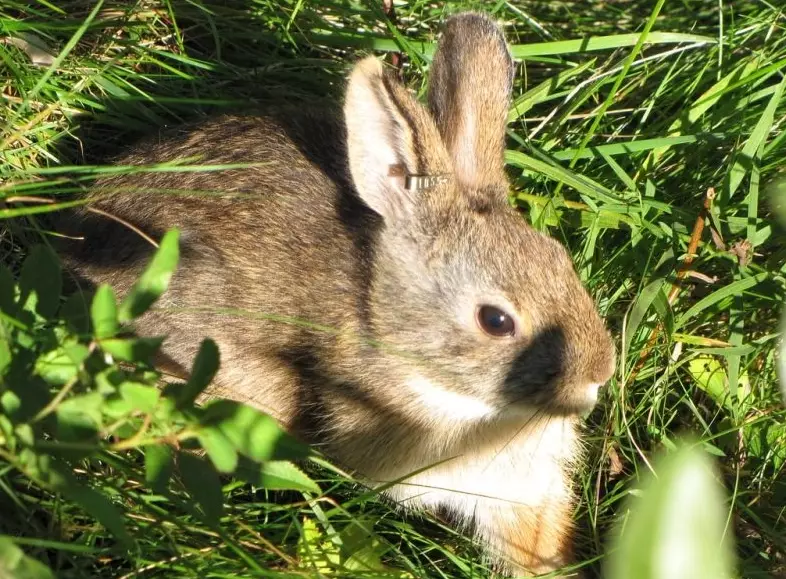 So next time you see that flash of brown in Colorado, take a second look. You're not just seeing a rabbit. You're seeing a mountain cottontail that knows every hiding spot in that draw, or a black-tailed jackrabbit that can outrun a coyote. They're resilient, fascinating, and an integral thread in the fabric of this state's wild places—and sometimes, our own backyards.
Reader Comments