Let's clear something up right away. When you hear "Polish rabbit," you might picture a fluffy bunny with a storied history from Eastern Europe. The truth is a bit more mundane, but no less fascinating. The Polish rabbit breed is a small, sleek, and often misunderstood pet that sits somewhere between a dwarf breed and a standard-sized rabbit. I've cared for a few over the years, and while they're not the cuddly lap dogs some websites make them out to be, they're intelligent, energetic, and full of personality in a tiny package. This guide isn't just a list of facts you can find anywhere. It's about what it's actually like to live with a Polish rabbit, the mistakes I've seen owners make, and how to get it right.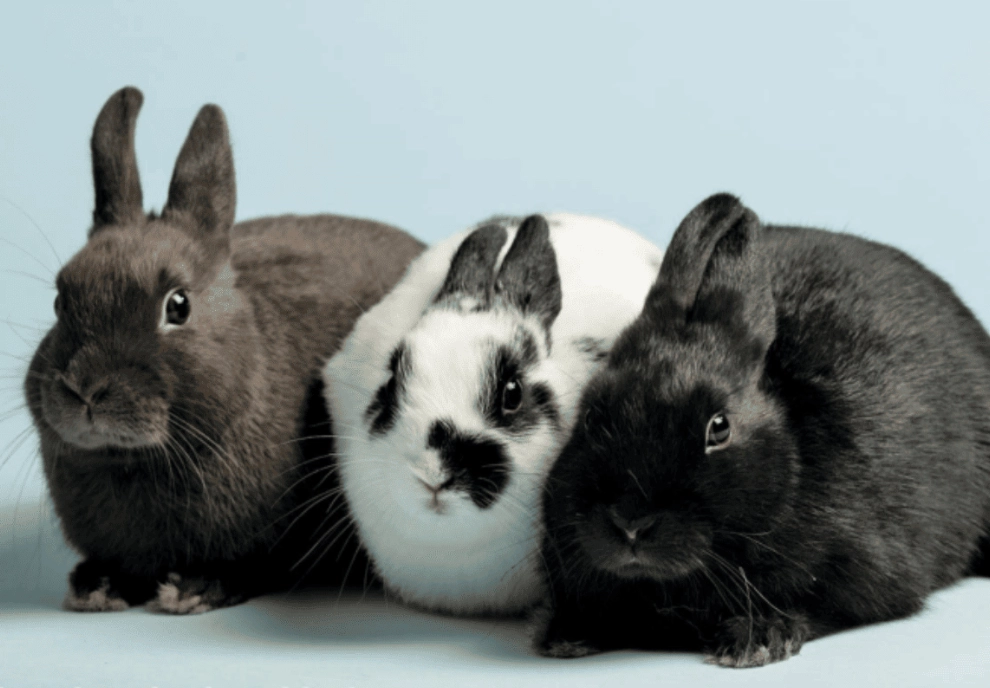
Quick Guide: What's Inside
What Exactly is a Polish Rabbit?
First, the heritage. Despite the name, most rabbit historians agree the Polish rabbit breed was developed in England in the 1800s, possibly from Dutch and Himalayan stock. The "Polish" likely referred to its shiny, polished-looking fur. The American Rabbit Breeders Association (ARBA) and the British Rabbit Council (BRC) both recognize it as a distinct breed.
What defines them? Compact size is key. They're one of the smallest recognized breeds, but here's the nuance: they are not a true dwarf breed like the Netherland Dwarf. True dwarfs carry a specific dwarfing gene. Polish rabbits are just... small. They typically weigh between 2.5 to 3.5 lbs, with a short, fine-boned body, short erect ears, and a face that's more refined than blunt.
Their personality is a mix. They're often described as energetic, alert, and sometimes nervous. From my experience, this is accurate. A friend's Polish rabbit, Gizmo, could solve simple puzzle toys faster than any larger breed I've known. But he'd also spook at a sudden noise and dart under the sofa. They're not inherently skittish, but their high metabolism and alertness mean they're always "on." This makes them engaging pets, but perhaps not the best choice for a noisy household with young children.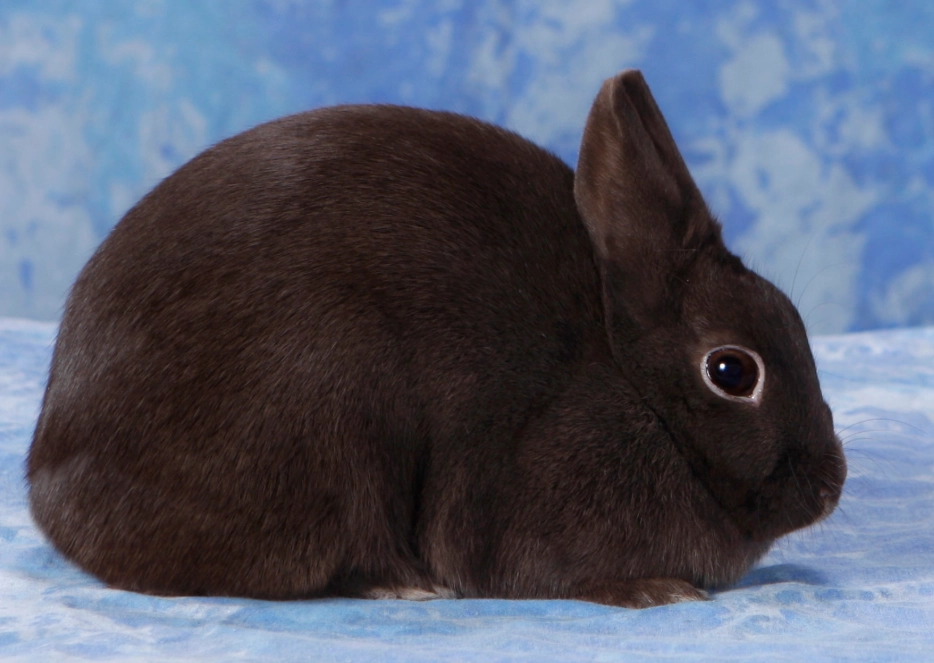
The Three Polish Rabbit Varieties
This is where it gets specific. There isn't just one Polish rabbit. Depending on the governing body and region, you'll find three main types. Knowing which one you're looking at matters for care and expectations.
| Variety | Key Features | Recognized Colors | Personality Note | Care Nuance |
|---|---|---|---|---|
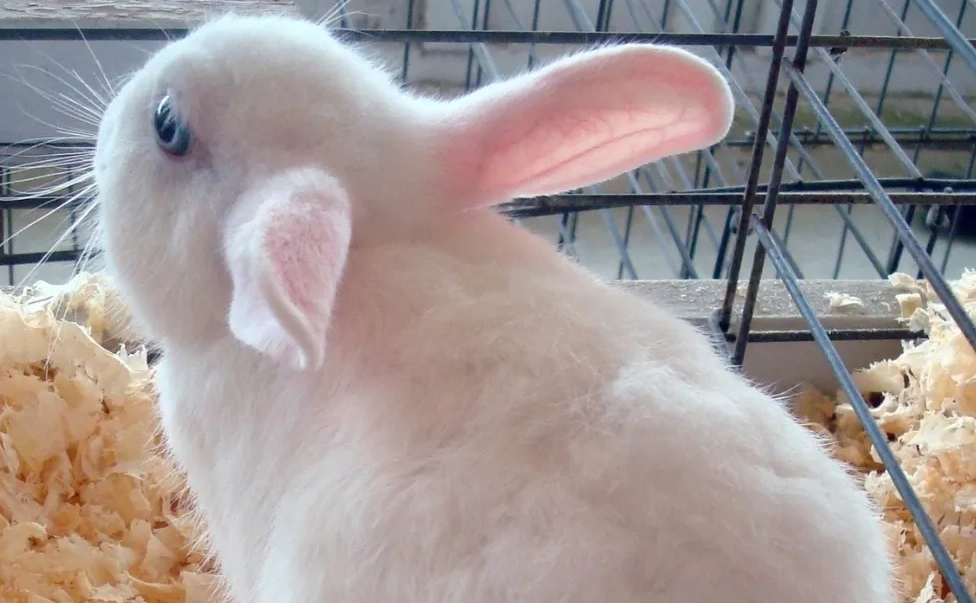
| British Polish | The original. Slender, elegant "show" type. Very fine bone. | Blue-eyed White, Ruby-eyed White, Black, Blue, Chocolate, Lilac. | Often the most high-strung of the three. A true performer's energy. | Can be more prone to stress. Needs a supremely calm environment. |
| American Polish | Slightly stockier build than the British. The most common type in the US. | Ruby-eyed White is the only ARBA-recognized color for shows. | Slightly more grounded, but still very active and intelligent. | The "standard" for most care advice. A good middle-ground. |
| Polish Dwarf (Germany/Europe) | Often conflated with the Netherland Dwarf. Rounder head, even smaller. | Wide variety, including agouti and tan patterns. | Can have the boldness of a Netherland Dwarf mixed with Polish curiosity. | Check pedigree. True dwarf gene carriers need monitoring for dental issues. |
Most pet Polish rabbits in the US will be the American type. If you're in Europe, you're more likely to encounter the "Dwarf" type. The British type is rare outside of specialist show circles. I find the American Polish to be the most adaptable as a pet.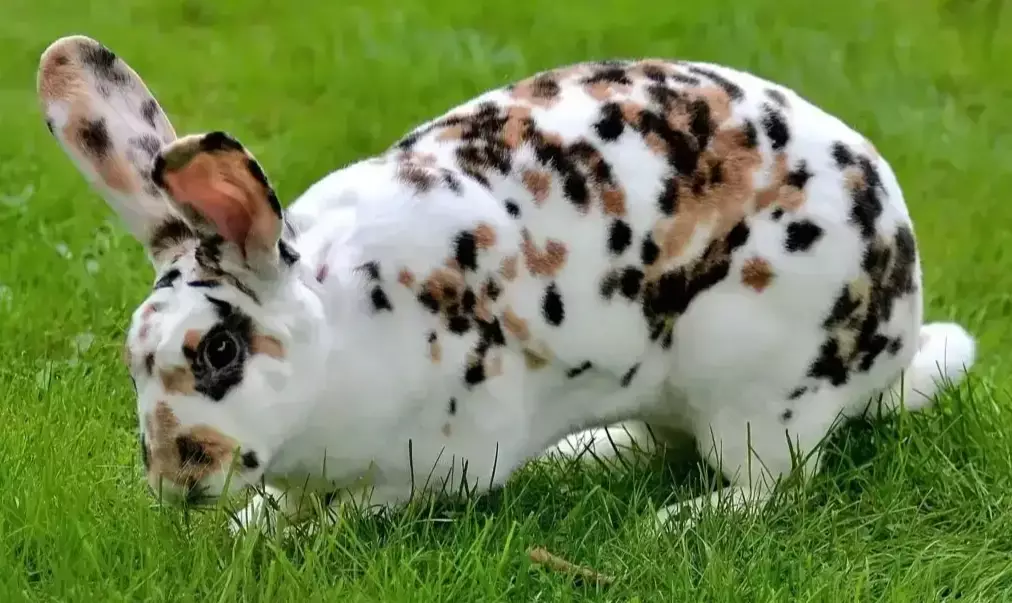
Polish Rabbit Care: Beyond the Basics
Here's where generic rabbit advice fails Polish rabbits. Their small size demands specific adjustments.
Housing & Space Needs
The biggest mistake? Putting a Polish rabbit in a small cage because it's small. They have energy to burn. A minimum enclosure is 4 feet long, 2 feet wide, and 2 feet tall, but that's just their home base. They need several hours daily in a large, secure exercise area—at least 24 square feet.
Their small size makes them escape artists. I've seen them squeeze through bar spacing meant for larger rabbits. Use 1-inch by ½-inch wire mesh or smaller. They also appreciate vertical space. A sturdy cat tree (with ramps) or shelves they can hop onto provides mental stimulation.
Flooring is critical. Their fine bones and lack of thick foot fur make them susceptible to sore hocks. Provide solid resting areas with soft mats or fleece, not just wire.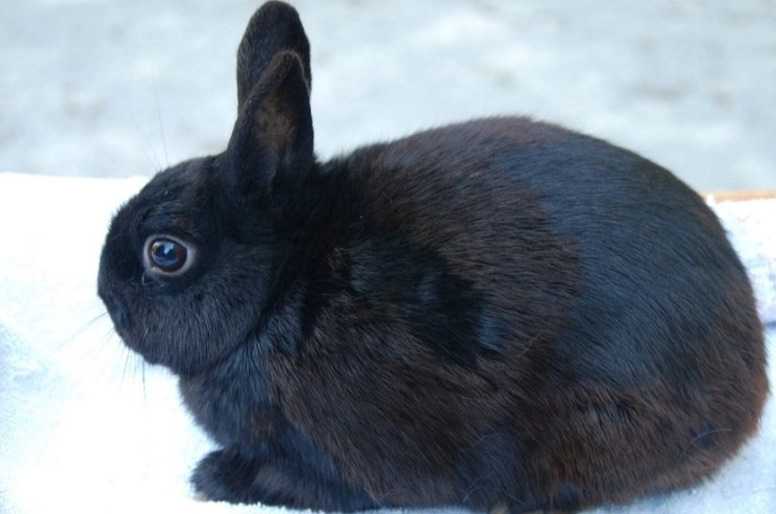
Diet Details They Don't Tell You
The standard 80% hay, 10% veggies, 5% pellets rule applies, but the devil's in the details.
Hay: Unlimited timothy or orchard grass is non-negotiable. Their small digestive systems are efficient but delicate. A lack of fiber causes GI stasis fast. Because they're small, they may seem to eat less hay, but monitor intake closely.
Pellets: This is crucial. Feed a measured amount of high-fiber (18%+), low-protein (14% or less) pellets. For a 3lb Polish, that's about 1/8 cup daily. Overfeeding pellets is the #1 cause of obesity and selective eating (where they ignore hay).
Greens: Introduce slowly. A good daily portion is about 1 cup of packed greens per 2 lbs of body weight. Favorites include romaine, cilantro, and bell pepper. Avoid iceberg lettuce and large amounts of kale.
Grooming & Temperament Truths
Their short fur is low-maintenance, but they shed. A weekly brush with a soft slicker brush is plenty. During heavy sheds (spring/fall), brush every other day to prevent hair ingestion.
Now, temperament. Building trust takes time. They're not naturally cuddly. The way to a Polish rabbit's heart is through quiet interaction and treats. Sit on the floor during their playtime. Let them approach you. Offer a sprig of cilantro from your hand. Forceful handling will make them fearful.
They are smart and can be litter-trained easily. Use a large, low-sided litter box (their small legs can't climb high edges) filled with paper-based litter and topped with hay.
Their health concerns mirror other rabbits: dental check-ups (their small mouths need monitoring), annual vet visits, and watching for signs of GI stasis (lethargy, no poops). Spaying/neutering is essential for health and behavior, even for single rabbits.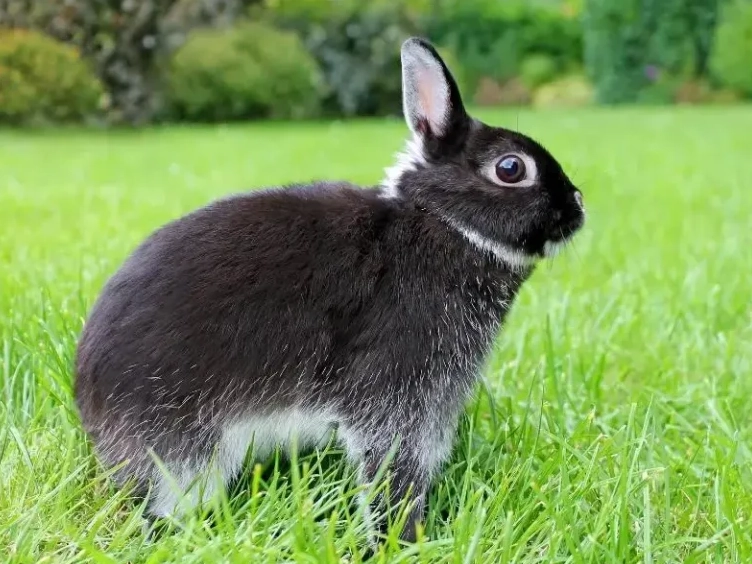
Your Polish Rabbit Questions Answered
 What's the biggest health concern for Polish rabbits?
Reader Comments