Run your hand over a mini rex rabbit's back. That's the first thing everyone does. It's not like regular rabbit fur; it feels like dense, living velvet. That iconic rex fur is the star of the show, but there's so much more going on beneath that plush surface. I've been raising and showing rabbits for over a decade, and I still see new owners make the same few critical mistakes with their mini rex rabbits, mostly because they fall in love with the fur and forget about the animal inside.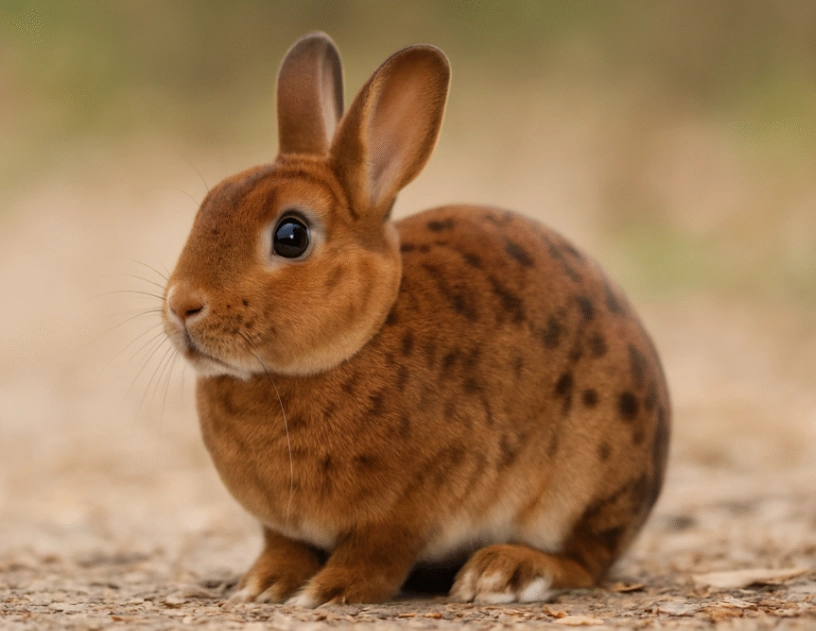
The biggest one? Assuming all mini rexes are cuddly lap rabbits. Genetics and individual personality play a huge role, and some are more like tiny, velvety ninjas with an attitude.
Your Mini Rex Roadmap
What Exactly is a Mini Rex Rabbit?
Let's clear something up first. "Mini rex" isn't a color; it's a breed. A very specific one. They were developed in the 1980s in the United States by crossing standard rex rabbits (known for that fur) with smaller breeds like the Netherland Dwarf. The goal was to shrink the rex magic down to a more manageable pet size.
The American Rabbit Breeders Association (ARBA) sets the standard. An ideal mini rex weighs between 3 and 4.5 pounds. They're compact, well-rounded, and their profile curves from head to tail without sharp angles. But the crown jewel is the coat.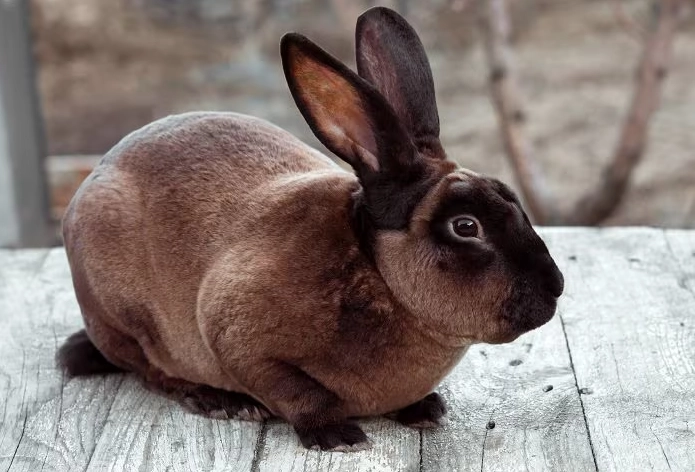
The Rex Fur Mutation: It's caused by a recessive gene that makes the guard hairs (the longer, stiffer outer hairs) grow to the same length as the undercoat. This eliminates that prickly feel and creates an even, plush surface of about 5/8 inch. It's dense and stands upright. This is why it feels so incredible.
But here's a non-consensus point: that amazing fur is more fragile than it looks. The hair shafts are finer. Over-brushing with the wrong tool or letting them live on rough, abrasive surfaces can thin it out or cause wear. It's a trade-off for the texture.
A Rainbow in Velvet: Top Mini Rex Colors & Patterns
This is where mini rex rabbits truly shine. The rex fur intensifies color and makes patterns look almost sculpted. ARBA recognizes a wide variety. Here are the ones you're most likely to see and fall in love with, whether from a breeder or a rescue.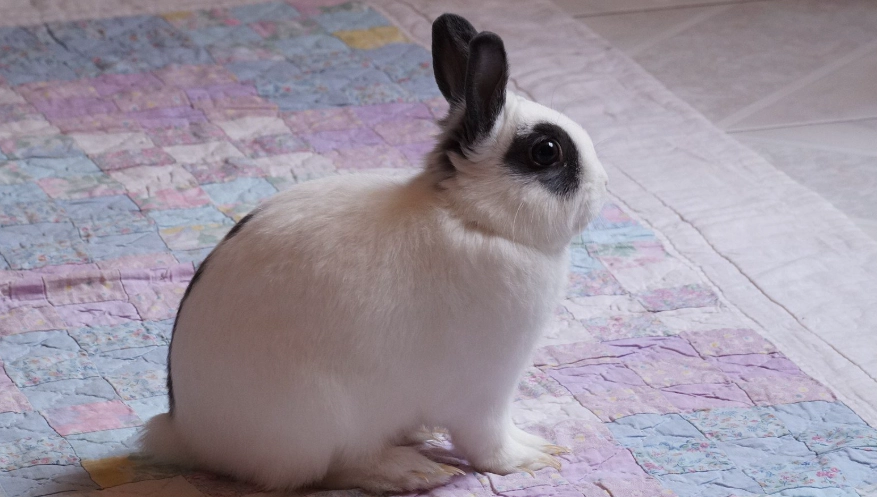
| Color/Pattern Name | Description | Eye Color | Popularity Note |
|---|---|---|---|
| Black | Deep, solid jet black from skin out. No rustiness. | Brown | A classic, stunning contrast against the fur texture. |
| Blue | A uniform slate blue-grey, medium in darkness. | Blue-Grey | Highly sought after for its soft, elegant look. |
| Castor | Rich, reddish-brown (like a beaver) with black ticking. | Brown | One of the original rex colors. Has wonderful depth. |
| Chinchilla | Pearl white body with black ticking and defined bands. | Brown or Blue-Grey | Mimics the wild chinchilla. Pattern looks etched on. |
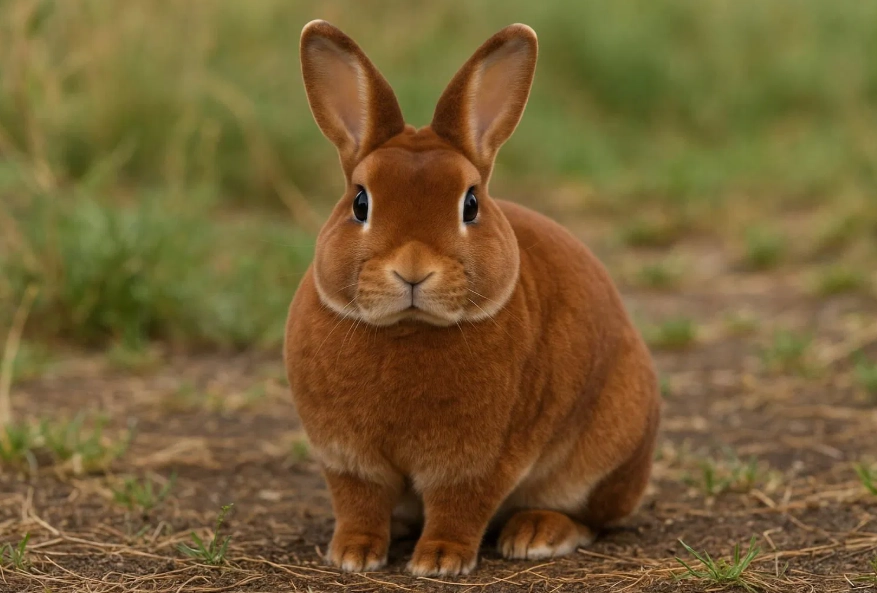
| Red | Bright, rich rusty red. Should be as uniform as possible. | Brown | A vibrant show-stopper. Color can fade with age/sun. |
| Broken | Any color combined with white in a spotted pattern. | Varies | Extremely popular as pets. Each is uniquely marked. |
| Lynx | A delicate fawn-orange with a frosty, lilac cast. | Blue-Grey | A personal favorite. The color is complex and subtle. |
When choosing, look for clarity and evenness of color right down to the skin. In broken patterns, look for balanced markings—but remember, personality isn't linked to color, despite old wives' tales.
How to Care for Your Mini Rex's Unique Coat (The Right Way)
You can't care for a mini rex like you would a fluffy Angora or a smooth-coated Dutch. Their needs are specific.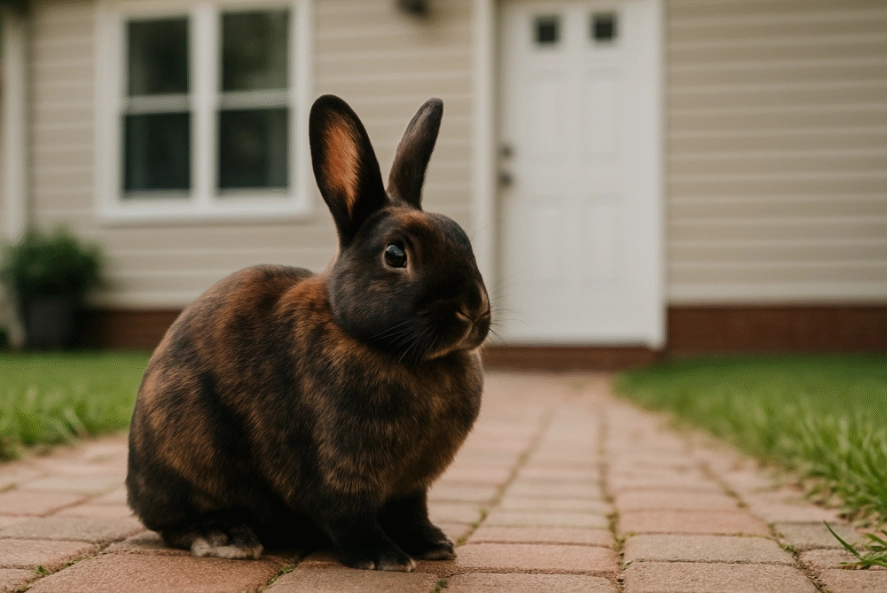
Grooming: Less is Often More
Forget wire slicker brushes for daily use. They'll break those delicate hairs. During most of the year, a quick once-over with a soft bristle brush or even a damp hands (lightly misted with water) to collect loose hair is plenty. When they molt—which they do, heavily—you need to step it up to prevent wool block from hair ingestion.
Use a fine-toothed comb or a gentle slicker very carefully during this time. The goal is to remove the loose undercoat without stripping the good coat. I've found that gently pulling the loose fur out with my fingers in short, pinching motions works better than brushing during peak shed.
Never shave a mini rex. Their coat regulates temperature. Shaving ruins the texture permanently; it may grow back wiry or uneven. It also exposes their sensitive skin to sun and scratches.
The Housing & Flooring Factor
This is critical. Those famously soft feet have less fur padding than other breeds. Wire cage floors are a hard no. They cause sore hocks (pododermatitis), a painful and stubborn condition.
Your entire setup needs a soft, forgiving surface. Use solid flooring covered with a thick layer of absorbent, soft bedding. Fleece blankets over mats work well if changed frequently. Provide resting mats or grass mats in their favorite lounging spots. I've had great success with horse stall mats cut to size—they're soft, durable, and easy to clean.
Diet for a Dense Coat
That plush coat requires good nutrition to stay healthy. Unlimited grass hay (timothy, orchard, oat) is non-negotiable for fiber and to keep their gut moving, especially since they ingest more hair. A limited portion of high-quality pellets (about 1/8 cup per 4 lbs of body weight). Fresh greens daily. The protein in their diet should be moderate; too much can lead to a coarser coat.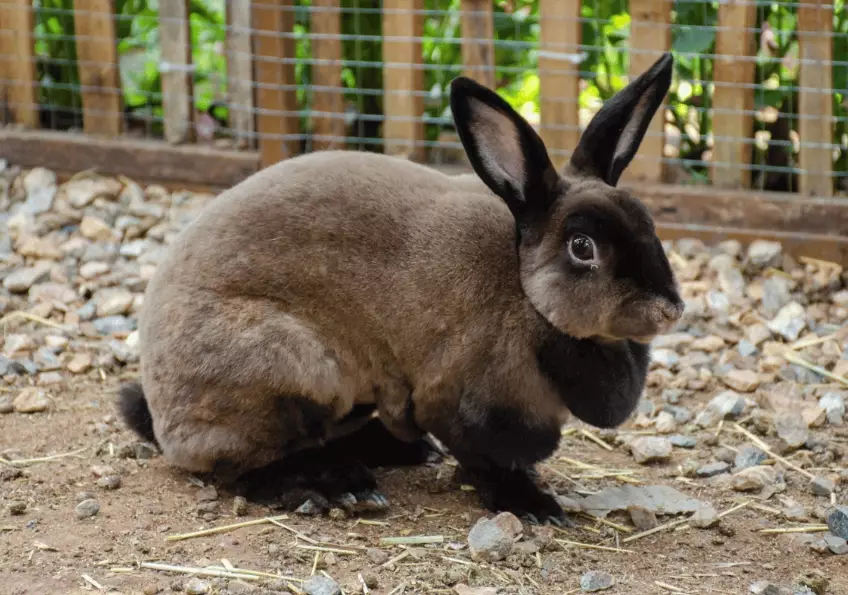
Is a Mini Rex's Personality Right for You?
The breed standard describes them as "calm and even-tempered." In my experience, that's a good average, but the range is vast. I've had mini rexes that were lazy couch potatoes who would flop beside me for hours. I've also had ones that were clever, mischievous, and required constant mental stimulation to avoid destructive chewing.
They tend to be more ground-oriented than climbers. Many enjoy a good head rub or cheek stroke, but few truly enjoy being carried or held tightly—that's a predator's grip to them. The best interactions happen on the floor, on their terms.
Are they good for kids? For calm, older children who can sit quietly, yes. For toddlers who want a plush toy to squeeze, absolutely not. Their backs are strong but their spines are not meant for wrestling.
Their intelligence is often underestimated. They can learn their names, come when called (especially at treat time), and can be litter-trained with remarkable consistency. This intelligence means they get bored easily. Rotating toys, creating cardboard fortresses, and hiding food are musts.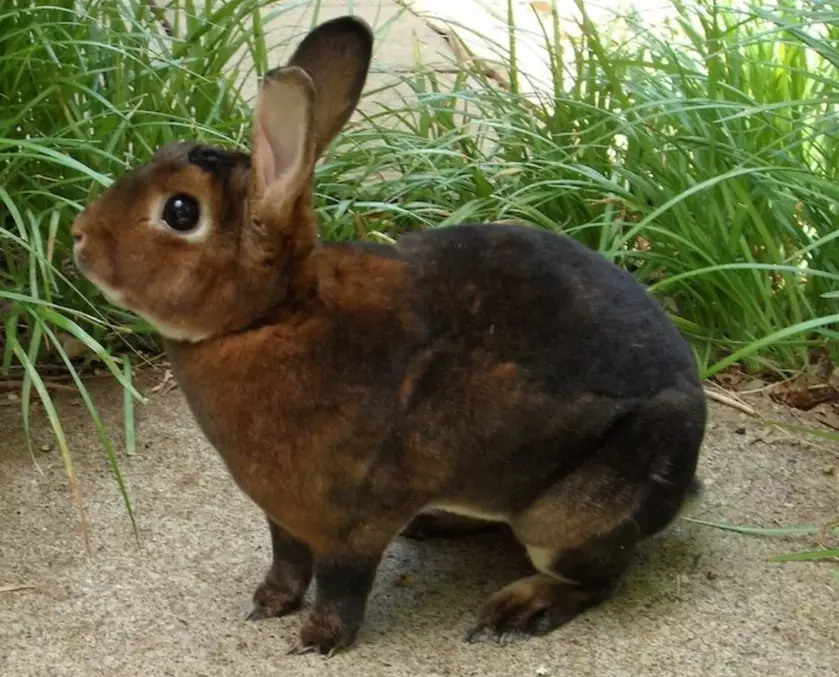
Breeding & Health: What Breeders Don't Always Mention
If you're considering breeding, know this: the rex fur gene is recessive. Breeding two rex-furred rabbits always produces rex-furred offspring. However, breeding for certain colors can introduce other genetic issues if you're not careful.
The "Charlie" broken pattern (rabbits with very little color, mostly white) can be linked to dental issues. Some lines of dwarf breeds used in their development can carry the deadly dwarf gene. A reputable breeder tests for this.
Beyond sore hocks and GI stasis, keep an eye on their teeth. Like all rabbits, their teeth grow continuously. Provide plenty of hay and wooden chew toys. Annual vet check-ups are essential to catch any problems early.
Spaying or neutering is one of the best things you can do. It eliminates the risk of reproductive cancers (very high in does) and mellows hormone-driven behaviors like spraying, boxing, and territorial chewing. It also makes litter training far easier.
Your Burning Mini Rex Questions Answered
 Mini rex rabbits are captivating creatures. They offer a unique sensory experience with their fur and a rewarding companionship with their often-goofy personalities. But they're not low-maintenance ornaments. They require specific care tailored to that gorgeous coat and an understanding of their independent spirit. Do your homework, set up their environment correctly from day one, and you'll have a fascinating, velvety friend for many years.
It's that initial feel of the fur that draws you in, but it's the personality that makes you stay.
Reader Comments