You bring home this fluffy bundle of energy, all flops and binkies. Then a thought hits you—how many years of this do I get? The old "they only live a few years" tale is dangerously wrong. A well-cared-for pet rabbit doesn't live a hamster's lifespan; they live a dog's lifespan. The honest answer is 8 to 12 years on average, with many thriving into their early teens.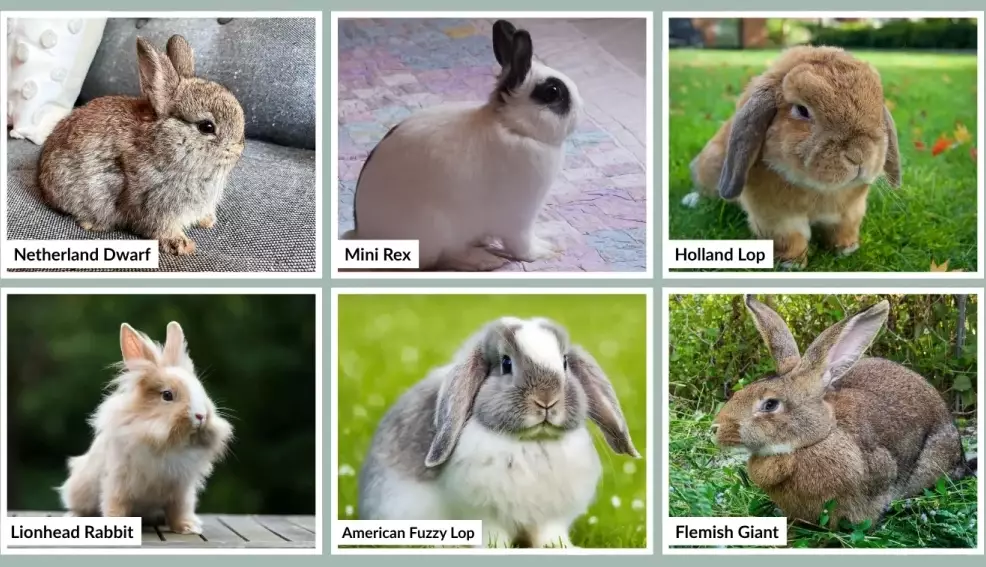
But that "average" hides a huge story. I've seen rabbits fade at 5 from neglectful care, and I've celebrated a friend's rabbit turning 14. The difference isn't luck. It's a specific, daily commitment to things most first-time owners completely overlook.
What's Inside?
The Lifespan Range: From Dwarfs to Giants
Not all rabbits are created equal in the longevity department. Size and breed play a role, though care always trumps genetics.
| Size / Breed Type | Average Lifespan Range | Key Considerations |
|---|---|---|
| Small/Dwarf Breeds (e.g., Netherland Dwarf, Polish) | 10 - 12+ years | Often live the longest. Prone to dental issues due to compact skulls, making hay diet even more critical. |
| Medium Breeds (e.g., Dutch, Mini Lop, Rex) | 8 - 12 years | The "sweet spot." Most common pet rabbits fall here. A balanced representation of the average. |
| Large/Giant Breeds (e.g., Flemish Giant, French Lop) | 5 - 8 years | Generally shorter lifespans. Larger bodies can strain joints and hearts. Proactive vet care is essential. |
| Mixed Breed / Rescue Rabbits | 8 - 12 years | Hybrid vigor can be a plus! Their lifespan is almost entirely dictated by the quality of care you provide. |
See that giant breed range? It's why you can't just Google "rabbit lifespan" and call it a day. Your rabbit's starting point matters. But here's the crucial part: a giant breed with exemplary care can outlive a dwarf breed with poor care. Every single time.
The 5 Pillars of a Long Rabbit Life
Think of these as the non-negotiable columns holding up a long, healthy life. Miss one, and the whole structure gets shaky.
1. Diet: It's Not Just Food, It's Medicine
This is the biggest lever you pull. Most bags of rabbit food get it wrong. The foundation is unlimited grass hay (Timothy, Orchard, Meadow). It should be 80-90% of what they eat. Not alfalfa (too rich for adults). Hay keeps their constantly growing teeth ground down and their complex gut moving. GI stasis—a deadly slowdown—is often a direct result of low-hay diets.
Fresh greens come next (romaine, cilantro, bok choy). Pellets? They're a vitamin supplement, not the main course. A scant 1/4 cup per day for a medium rabbit is plenty. Over-pelleting leads to obesity and urinary issues.
I learned this the hard way with my first rabbit, Mochi. I followed the pellet bag instructions. He got chubby, his teeth needed expensive filing, and we had two scary stasis scares. Switching to a hay-first diet changed everything.
2. Environment: Indoor vs. Outdoor is a Lifespan Decision
Let's be blunt: outdoor hutches shorten lives. The Rabbit Welfare Association & Fund (RWAF) states indoor rabbits live longer. It's not just about predators. Temperature extremes, dampness, loneliness, and the sheer difficulty of spotting early illness (a slightly smaller poop, a quieter demeanor) outdoors are all silent killers.
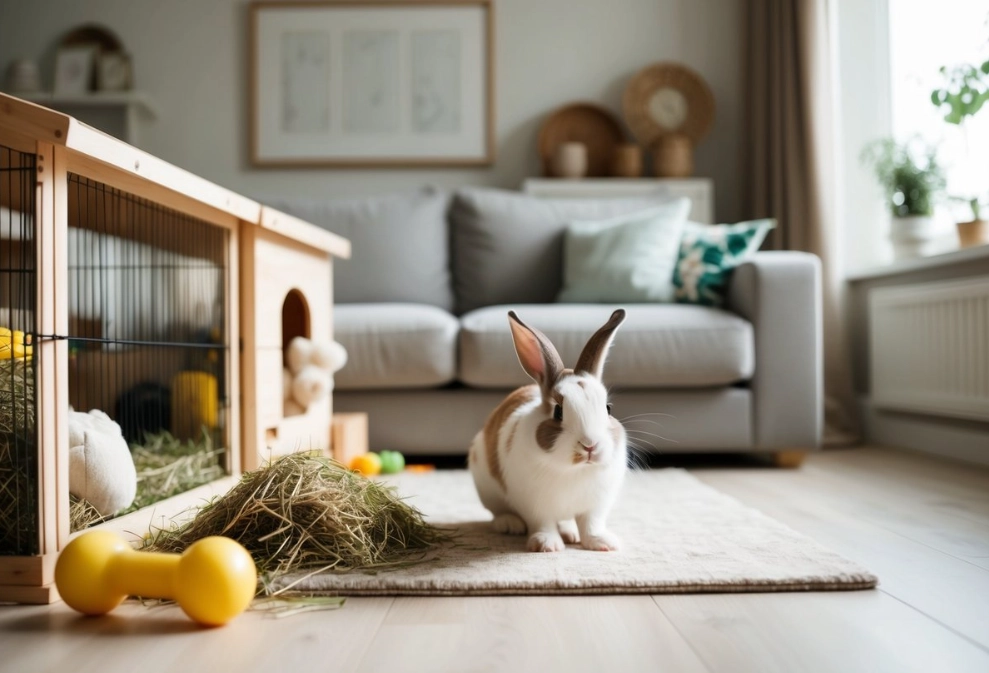
Your rabbit needs a large, safe space to run, not a cramped hutch. Think an exercise pen (x-pen) or rabbit-proofed room. They need mental stimulation—cardboard castles, tunnels, willow balls. Boredom leads to stress, and stress suppresses the immune system.
3. Veterinary Care: Find an Exotics Vet *Before* You Need One
Rabbits are "exotic" pets. Your standard cat-and-dog vet likely lacks the training. A yearly check-up with a rabbit-savvy vet is mandatory. They listen to gut sounds, check teeth thoroughly, and monitor weight.
Vaccinations matter too. In many regions, like the UK, vaccinations against deadly diseases like Myxomatosis and RVHD are essential. Ask your vet.
4. Companionship: A Lonely Rabbit is an Unhealthy Rabbit
Rabbits are social. A solitary rabbit is often a stressed, depressed rabbit. The Humane Society recommends adopting bonded pairs. A neutered male/female pair is often the most harmonious. They groom each other, snuggle, and provide constant mental engagement. That social bond reduces chronic stress, which directly impacts health.
5. Observation: You Are Their Chief Medical Officer
Rabbits hide illness. It's a prey animal instinct. By the time they look "sick," it's often an emergency. Your job is to notice the subtleties.
Is their poop size consistent? Are they eating their morning hay pile? Are they drinking water? Is their nose twitching normally? A slight change in routine is your first and best alarm bell. Keeping a simple log can help.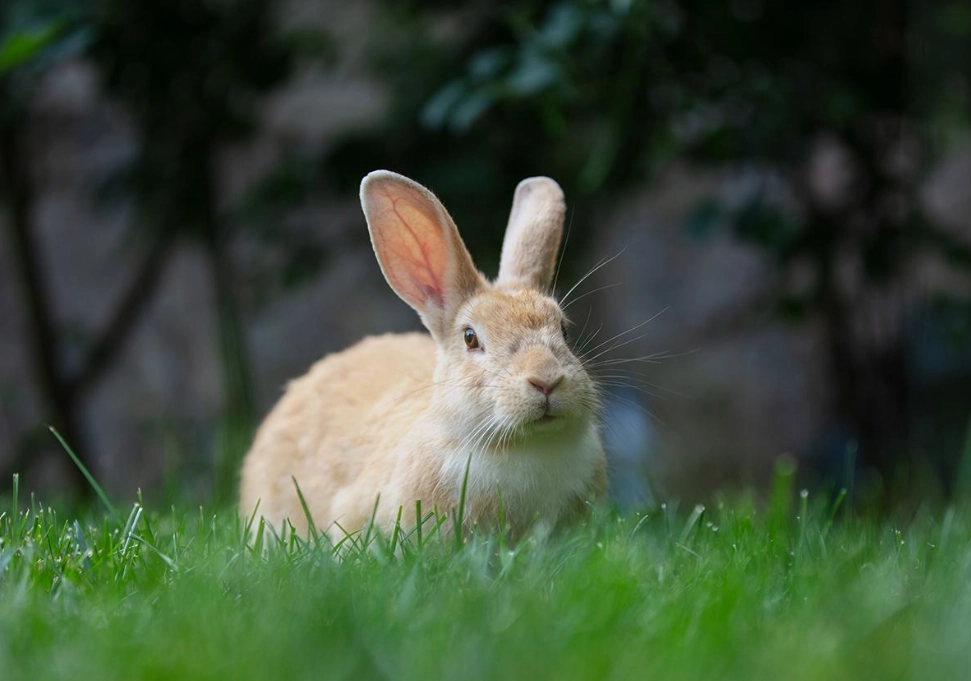
Your Longevity-Focused Care Checklist
Let's get practical. Here’s what a longevity-focused day and week look like.
Daily:
- Refill unlimited fresh hay (shake it out to make it appealing).
- Provide fresh, clean water in a bowl (bowls are better than bottles for hydration).
- Serve a handful of fresh, washed greens.
- Measure out strict pellet portion (e.g., 1/4 cup for a 5 lb rabbit).
- Observe eating, drinking, and poop output.
- Provide 4+ hours of supervised time outside their enclosure to run and explore.
Weekly:
- Deep clean litter box (use paper-based or aspen litter, never clay or pine/cedar shavings).
- Rotate toys and create new hiding/chewing structures from cardboard.
- Gently brush, especially during shedding seasons to prevent hairblock.
- Weigh your rabbit using a kitchen scale. Unexplained weight loss is a major red flag.
The Subtle Mistakes That Steal Years
Everyone knows not to feed a rabbit iceberg lettuce. But the real longevity thieves are sneakier.
Mistake #1: The "Cute" Treat Overload. Yogurt drops, seed sticks, colorful crunchy things from the pet store—these are junk food. They cause obesity and gut imbalance. A treat should be a sprig of cilantro or a blueberry. Once a week.
Mistake #2: Assuming a Big Cage is Enough. Even the largest commercial cage is too small for permanent living. It's a bedroom. They need a connected exercise area. Confinement leads to muscle wasting, bone weakness, and depression.
Mistake #3: Waiting for "Signs of Pain." Rabbits rarely cry or limp obviously. Signs of pain are lethargy, hunched posture, grinding teeth (different from content purring), and refusing favorite treats. If you wait for obvious signs, you've waited too long. At the first hint, call your exotics vet.
Your Rabbit Longevity Questions Answered
What is the average lifespan of a pet rabbit?
What is the single most important factor for a rabbit's long life?
Do indoor or outdoor rabbits live longer?
What are the most common health problems that shorten a rabbit's life?
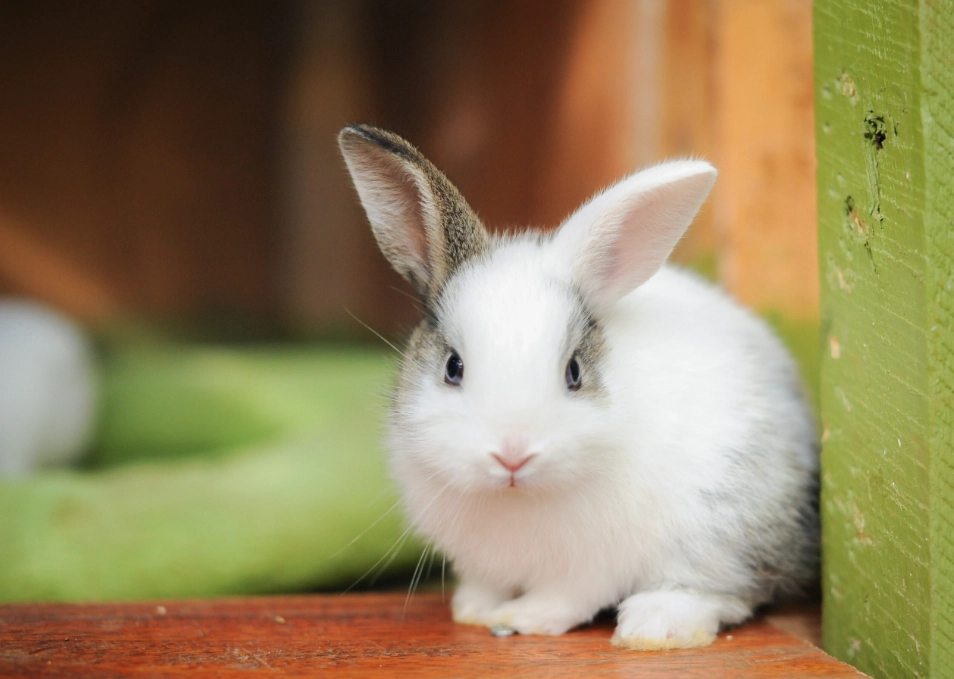 The bottom line? A rabbit's lifespan is a direct reflection of the care they receive. It's a promise of a decade or more. It means budgeting for an exotics vet, dedicating space in your home, and learning their silent language. It's not always easy, but watching a happy, healthy rabbit binky into its golden years is one of the most rewarding experiences a pet owner can have.
They're not short-term pets. They're long-term, intelligent, quirky family members. Plan for that, and you'll be rewarded with years of joy.
Reader Comments