You're thinking about getting a rabbit, or maybe you just brought one home. That cute nose is twitching, those ears are perked up, and you're already smitten. Then the question hits you: how long is this fluffy commitment going to last? Is it a hamster-like few years, or something more like a cat?
Let's cut straight to the chase. The average lifespan of a well-cared-for pet rabbit is 8 to 12 years. I've seen bunnies tap out at 5 due to preventable issues, and I've cheered for ones celebrating their 14th birthday. That range isn't a guess; it's a direct reflection of the choices an owner makes.
Why such a huge gap? It's the difference between basic survival and a truly thriving life. A rabbit's longevity isn't just about dodging illness. It's a daily equation of diet, environment, mental health, and proactive care. Most "average" figures you see online (often 5-8 years) are depressingly low because they include rabbits living in suboptimal conditions.
What You'll Learn in This Guide
What's the Average Lifespan of a Pet Rabbit? Breaking Down the Numbers
Throwing out a single number is misleading. Lifespan varies dramatically by context. Think of it in tiers: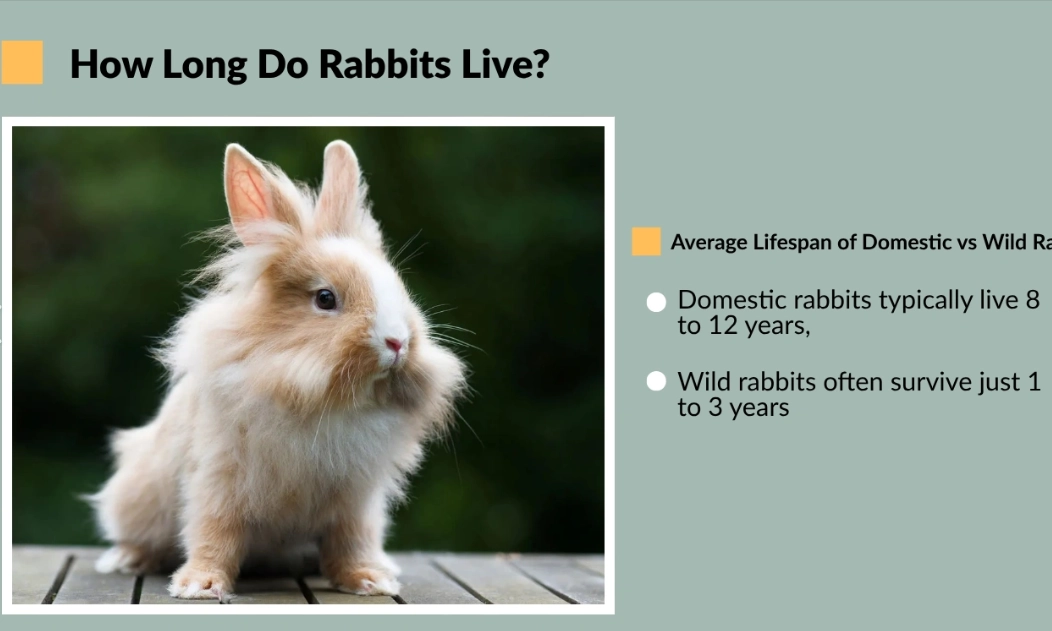
The Reality Tiers:
- Outdoor Hutch Rabbit: Often 3-5 years. Exposed to weather extremes, predators, parasites, and intense stress. This is the primary reason overall averages get dragged down.
- Basic Indoor Pet: Can reach 5-8 years. Safe from predators but may have a mediocre diet (too many pellets, not enough hay), limited space, and solitary life leading to health and emotional decline.
- Enriched Indoor Companion: The 8-12 year standard. Lives indoors as a free-roam or large-pen family member, has a proper diet, is spayed/neutered, and receives regular vet care.
- Optimal Care Bunny: 12+ years. All of the above, plus a bonded rabbit partner, an owner attuned to subtle health changes, and a dedicated exotic vet. This is where you find the 14 and 15-year-olds.
Breed plays a role, but it's smaller than people think. Giant breeds like Flemish Giants may average 5-8 years due to larger body mass strains. Smaller breeds like Netherland Dwarfs can be prone to specific genetic dental issues but often live solid 10+ year lives. The dwarf gene itself isn't a death sentence; it just requires more vigilant dental check-ups. The care you provide outweighs breed predispositions almost every time.
The 4 Pillars of a Long Rabbit Life
If you want your rabbit to hit that upper age range, you need to build on these four foundations. Miss one, and the whole structure gets shaky.
1. Diet: It's Not Just About Food, It's About Wear and Tear
Here's the non-consensus part: most guides talk about diet for nutrition, but rarely emphasize it as a mechanical necessity. A rabbit's teeth grow continuously. If they aren't worn down by the right abrasive material, they create painful spikes (malocclusion) that make eating impossible.
The magic ratio isn't a secret: 80% unlimited grass hay (Timothy, Orchard, Meadow), 15% fresh leafy greens, and 5% high-quality pellets. The hay is non-negotiable. It's the dental floss and tooth file. I've met rabbits who lived to 13 on a hay-centric diet with minimal pellets, and ones who developed GI stasis and dental disease by age 4 because their bowl was always full of colorful muesli mix.
Treats? A blueberry or a small slice of banana is fine as a rare reward. Carrots are high in sugar—think of them as rabbit candy, not a daily staple.
2. Environment: Safety is More Than No Predators
Indoor is non-negotiable for longevity. But "indoor" can be a prison or a paradise.
Space: The minimum enclosure size recommended by the House Rabbit Society is enough for three hops and space to stretch out—which translates to much larger than a standard pet store cage. Better yet, rabbit-proof a room or use large exercise pens.
Enrichment: Boredom is a silent killer. It leads to stress, over-grooming, and destructive habits. Provide cardboard castles, tunnels, digging boxes (with child-safe soil or shredded paper), and toys they can toss. Rotate them weekly.
Safety: This means wire covers for all cables, blocking off spaces behind furniture where they can get stuck, and ensuring they can't access high places they might jump from and fracture a limb. Rabbit bones are surprisingly fragile.
3. Healthcare: Finding the Right Vet is Half the Battle
Rabbits are "exotic" pets. Your standard dog-and-cat vet is not qualified. You need a veterinarian who specializes in or has significant experience with rabbits. Before you even get the bunny, find this vet. It's that important.
Spaying/Neutering: This is the single most impactful medical decision. For females, it eliminates an 80%+ risk of uterine cancer after age 4. For males, it reduces territorial spraying and aggression. It's not optional for a long, healthy life.
Regular Check-ups: Yearly exams are crucial. A good exotic vet will do a full dental check with an otoscope, listen to gut sounds, and discuss weight management.
Vaccinations: Depending on your region (like the UK and parts of Europe), vaccinations against deadly diseases like Rabbit Hemorrhagic Disease (RHD) and Myxomatosis are essential. In the U.S., an RHDV2 vaccine is available and highly recommended.
4. Companionship: The Loneliness Factor
Rabbits are social animals. A solitary rabbit is often a depressed, inactive rabbit. Depression suppresses the immune system. A bonded pair or trio grooms each other, plays, and provides constant comfort. The difference in energy and curiosity between a solo rabbit and a bonded one is night and day. Getting a bonded pair from a rescue is often easier than introducing two strangers, but both are possible with patience. This isn't just about happiness; it's a physiological boost to their wellbeing.
The #1 Longevity Factor Most Owners Overlook: Dental Health
Everyone focuses on GI stasis (which is critical), but the root cause often starts in the mouth. I can't tell you how many times I've heard, "He just stopped eating." Upon examination, it's not a tummy issue first—it's sharp molar spurs lacerating their tongue and cheeks.
You can't see a rabbit's molars by just looking in their mouth. You need a vet with the right tools. Signs of dental trouble include:
- Dropping food while eating
- Wet, matted fur on the chin or chest (from drooling)
- Gradual preference for softer foods over hay
- Weight loss despite seeming to eat
Prevention is all about that 80% hay diet. It's the best dental insurance you can buy.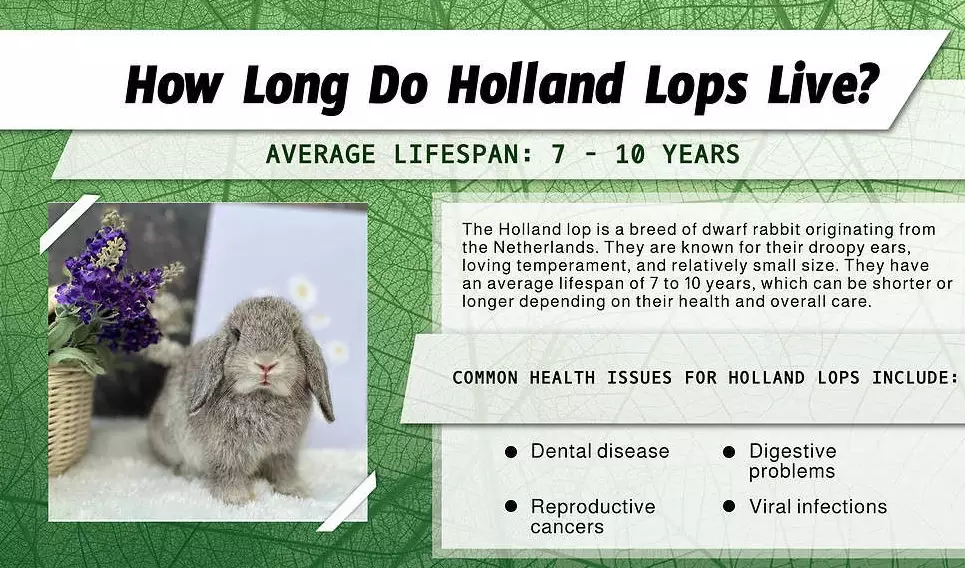
Your 5-Step Action Plan to Extend Your Rabbit's Life
Let's get practical. Here's what you do, starting today.
Step 1: Audit the Diet. Is hay the main event? Are pellets limited to a quarter-cup per day for a standard 5 lb rabbit? Are greens varied (romaine, cilantro, kale, bok choy)? Remove all sugary treats and seed mixes.
Step 2: Upgrade the Real Estate. If your rabbit lives in a cage, expand it with a large exercise pen attached. Ensure they get at least 4-5 hours of supervised free-roam time daily. Create hiding spots and digging opportunities.
Step 3: Schedule the Vet Visit. Book a wellness check with an exotic vet. Discuss spay/neuter if not done. Get up to date on vaccinations. Ask for a thorough dental exam.
Step 4: Consider a Friend. If your rabbit is alone, research bonding. Contact local rabbit rescues—they often offer "bunny speed dating" to find compatible mates. A bonded friend can turn a lethargic bunny into a lively one, encouraging more movement and mental stimulation.
Step 5: Rabbit-Proof Relentlessly. Look for chewing hazards (wires, toxic plants), small spaces they can get trapped in, and high ledges they can fall from. A safe environment is a stress-free environment, and lower stress means a healthier immune system.
Your Top Rabbit Lifespan Questions Answered
 So, how long do pet rabbits live? It's ultimately up to you. That 8-12 year range is a promise, not a guarantee. It's a promise that with the right knowledge, resources, and commitment, you can give your bunny a long, hoppy, and healthy life. It's a decade-plus of twitching noses, binkies, and quiet companionship. And from my experience, it's worth every bit of effort.
Reader Comments