Rabbits are pregnant for about 31 days on average, but it can range from 28 to 35 days depending on breed and health. If you're raising bunnies, knowing this timeline is crucial—miss the signs, and you might end up with a surprise litter. I've been breeding rabbits for over a decade, and let me tell you, the gestation period is shorter than most people think, which catches many new owners off guard.
Quick Navigation: What You'll Learn
Understanding Rabbit Gestation: How Long Are Rabbits Pregnant?
The rabbit gestation period typically lasts 31 days, but it's not set in stone. Smaller breeds like Netherland Dwarfs might go for 28-30 days, while larger ones like Flemish Giants can stretch to 35 days. I once had a Rex rabbit that delivered on day 32, perfectly healthy—variation is normal.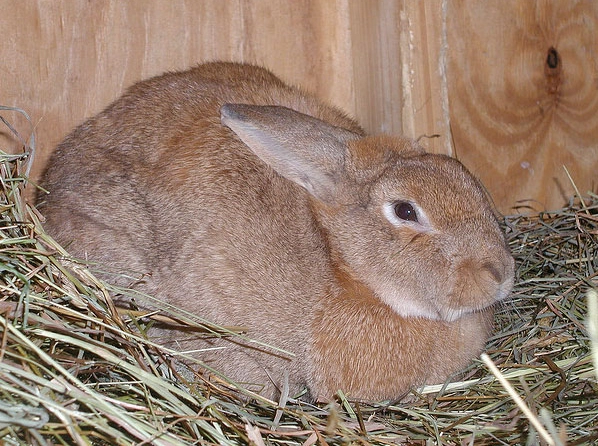
Why does it matter? If you're planning breeding or just suspect your doe is pregnant, this timeline helps you prepare. For example, nest boxes should be introduced around day 28. According to the House Rabbit Society, a trusted resource for rabbit care, the average is 31 days, but stress or nutrition can shift it by a few days.
Factors That Affect Pregnancy Length
Breed, age, and health play roles. Young first-time mothers might deliver earlier, while older rabbits could take longer. A well-fed doe with plenty of hay tends to have a smoother pregnancy. Don't rely on online calculators alone; observe your rabbit.
| Rabbit Breed | Average Gestation (Days) | Notes |
|---|---|---|
| Netherland Dwarf | 28-30 | Small size, quicker development |
| Dutch | 30-32 | Common pet breed, reliable timeline |
| Flemish Giant | 33-35 | Larger breeds need more time |
| Rex | 31-33 | Moderate range, often on schedule |
This table gives a snapshot, but individual rabbits defy averages. My friend's Mini Lop went to 34 days without issues—so always monitor.
How to Tell If Your Rabbit Is Pregnant
Spotting pregnancy isn't always easy. In the first two weeks, changes are subtle. By week three, you might notice weight gain around the abdomen. But here's a tip many overlook: behavioral shifts. A pregnant rabbit often becomes more territorial or nests early.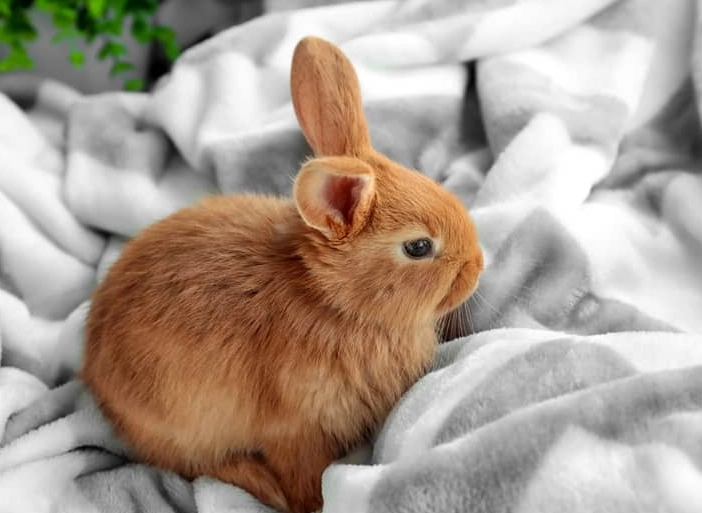
Physical signs include enlarged nipples and a rounder belly. However, palpating for kits requires skill—do it gently around day 14-21. I've seen owners mistake fat for pregnancy, leading to unnecessary stress. If unsure, a vet can confirm via ultrasound.
Behavioral Changes to Watch For
Increased appetite, nesting behavior (like shredding paper), and mood swings. Some does get aggressive; others become clingy. Track these from day 20 onward.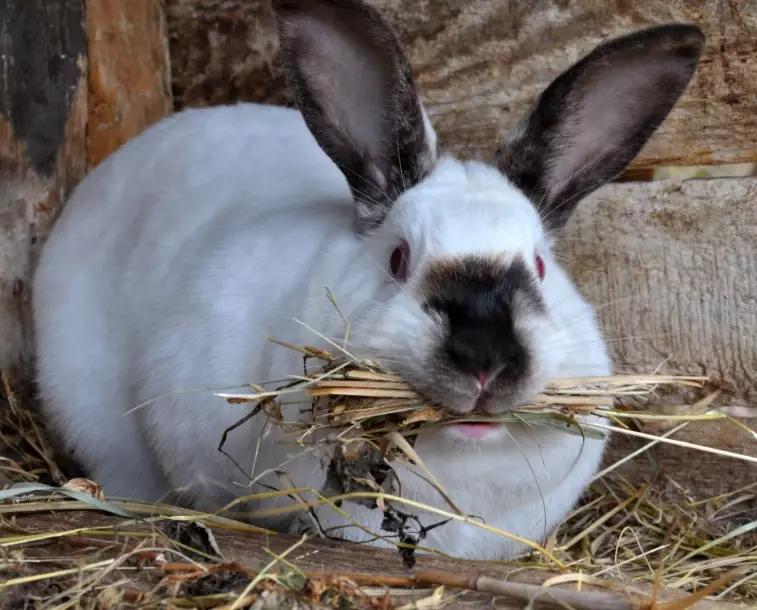
Caring for a Pregnant Rabbit: A Practical Guide
Once you know your rabbit is pregnant, care shifts. It's not just about food—it's about environment and stress reduction. Many owners focus on diet but forget housing, which can lead to complications.
Diet and Nutrition Essentials
Increase alfalfa hay and high-quality pellets by 20% after week two. Add fresh greens like romaine lettuce and herbs, but introduce slowly to avoid bloat. Avoid sugary treats; they cause weight issues. The American Rabbit Breeders Association emphasizes calcium for milk production, so include dark leafy greens.
Water is critical. Dehydration can trigger premature labor. I always keep multiple water sources clean.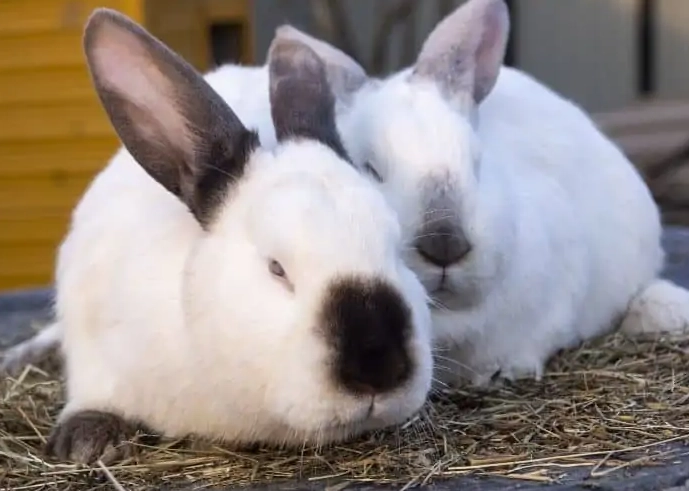
Housing and Environment Setup
Provide a quiet, spacious cage. Reduce handling after week three to prevent stress. Set up a nest box by day 28: use a shallow box with straw or hay. I've found that cardboard boxes work well, but line them with fleece for warmth.
Temperature matters. Keep the area between 60-70°F (15-21°C). Extreme heat or cold risks the litter.
The Birth and Postpartum Period
Birth, called kindling, usually happens at night or early morning. It's fast—often under 30 minutes. The doe will pull fur to line the nest and deliver kits. Don't intervene unless there's distress; rabbits are independent.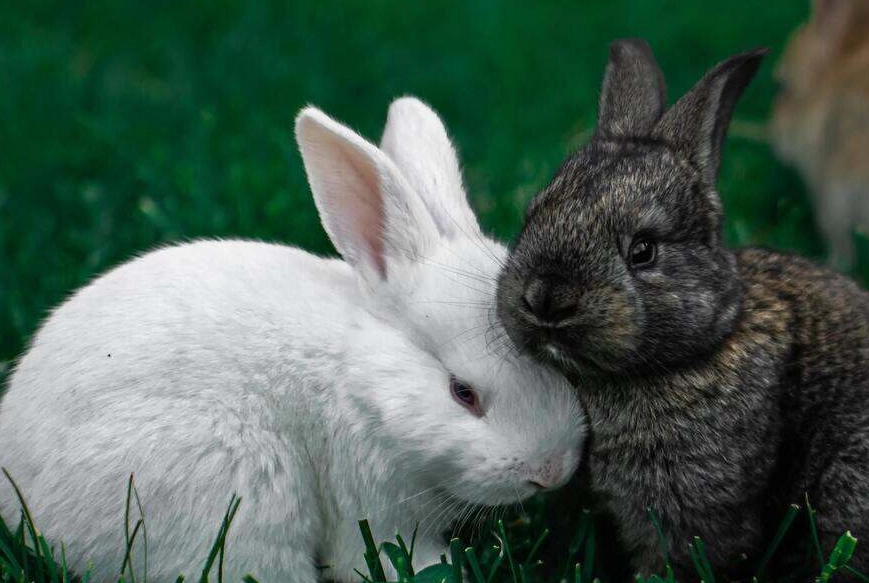
After birth, check the kits for warmth and movement. Leave them be for the first day; the mother feeds them once or twice daily. I made the mistake of checking too often once, and the doe abandoned the nest. Lesson learned: minimal interference.
Aftercare for the Mother and Kits
Ensure the doe has unlimited hay and water. Monitor for signs of mastitis or infection. Kits open eyes around day 10 and start exploring by week three. Wean them at 6-8 weeks.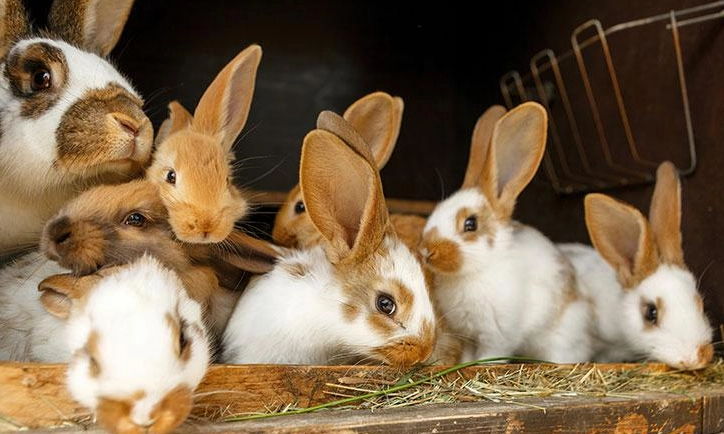
Common Myths and Mistakes to Avoid
Myth: Rabbits can't get pregnant while nursing. False—they can conceive immediately post-birth. Separate males early.
Mistake: Overfeeding early in pregnancy. This leads to obesity, making birth harder. I've seen does struggle because owners piled on pellets from day one.
Another error: Ignoring nest box timing. Introduce it too late, and the doe might scatter kits. Too early, and she uses it as a toilet. Day 28 is the sweet spot.
From my experience, assuming all rabbits show obvious signs is risky. Some hides pregnancy until labor—so if you suspect, track weight and behavior closely.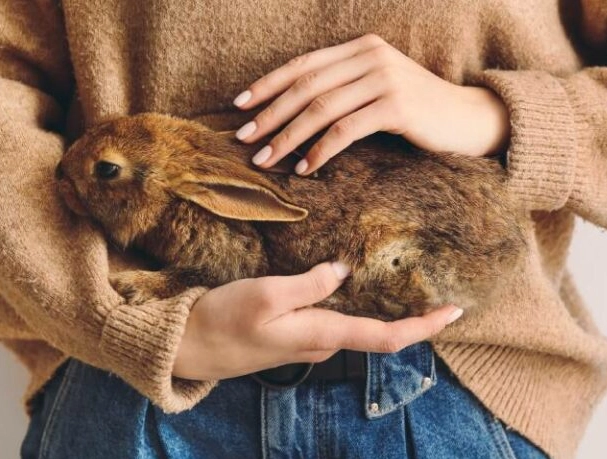
Your Questions Answered
Rabbit pregnancy is a short but critical period. By understanding the 28-31 day gestation, watching for signs, and providing proper care, you can ensure a healthy outcome. Remember, every rabbit is different—stay observant and consult resources like the House Rabbit Society for updates. If you're ever in doubt, a vet visit beats online guesses. Happy breeding!
Comment