You see them in shows, with that perfect butterfly smudge on the nose and a trail of spots like someone flicked a paintbrush. The English Spot rabbit isn't just a pretty face. Underneath that distinctive coat is one of the most energetic, engaging, and frankly, hilarious personalities in the rabbit world. I've kept rabbits for over a decade, and my first Spot, a mischievous buck named Pippin, taught me more about rabbit antics than any book ever could. He wasn't just a pet; he was a four-legged comedian with a strict schedule for playtime.
What's Inside?
Meet the English Spot: More Than Just Polka Dots
Often called the "Dalmatian of the rabbit world," the English Spot's origins are a bit murky. Most rabbit historians, including sources from the British Rabbit Council, believe they developed in England in the 19th century, possibly from crosses involving the now-extinct English Butterfly and wild rabbits. They were bred for show, and that intent is baked into their very being.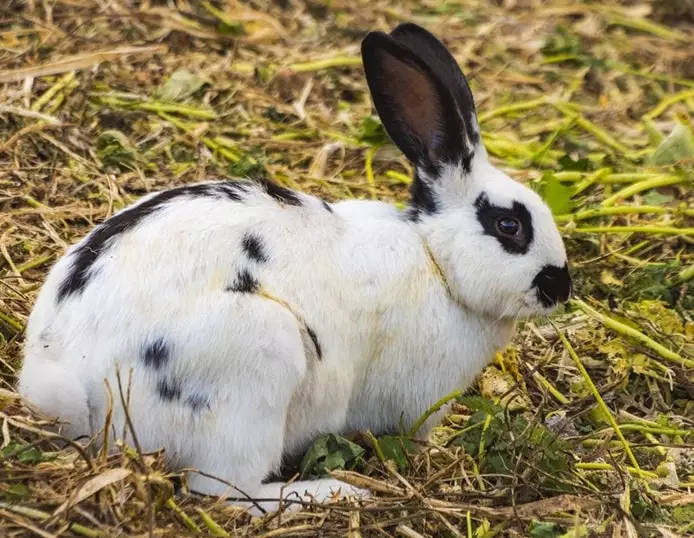
The Markings That Matter
A show-quality English Spot has a very specific checklist: a butterfly on the nose, cheek spots, eye circles, a herringbone line down the spine, and a chain of side spots and hip spots. Pet Spots might not be this perfect, but the pattern is unmistakable. The base color is always white, with spots in black, blue, chocolate, lilac, gold, or tortoise.
Their body is built for action. They have a full arch shape—when viewed from the side, the spine forms a high, smooth curve from the back of the neck to the tail. This isn't just for looks; it gives them that powerful, springy hop. They're a medium-sized breed, typically weighing between 5 and 8 pounds.
English Spot Care Essentials: Beyond the Basics
Here's where new owners often trip up. You can't care for a Ferrari like a family sedan. English Spots have specific needs driven by their metabolism and energy levels.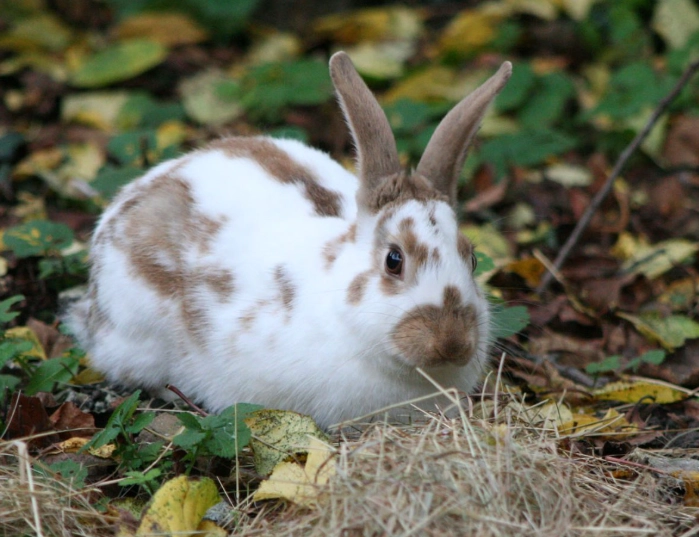
Diet: Fuel for the Zoomies
Unlimited, high-quality grass hay (Timothy or Orchard) is non-negotiable—it makes up 80-90% of their diet. But for Spots, the pellet portion is critical. They need a measured amount of plain, high-fiber pellets (no colorful bits or seeds). A common mistake is overfeeding pellets because they're so active; this leads to obesity and ignores their primary need for hay. Fresh greens (romaine, cilantro, bok choy) are daily essentials. Skip the iceberg lettuce and fruits except as rare treats.
Housing & Exercise: Think Playground, Not Cage
A standard pet store cage is a prison for an English Spot. They need space to run, jump, and explore. The absolute minimum is a large exercise pen (x-pen) attached to a hidey-house, but ideally, they should be free-roam in a thoroughly rabbit-proofed room or have a dedicated, large enclosure. They are master jumpers and diggers. If you use a pen, make sure it's at least 36 inches high, or they'll clear it with ease. I learned this the hard way when Pippin launched himself onto my bookshelf.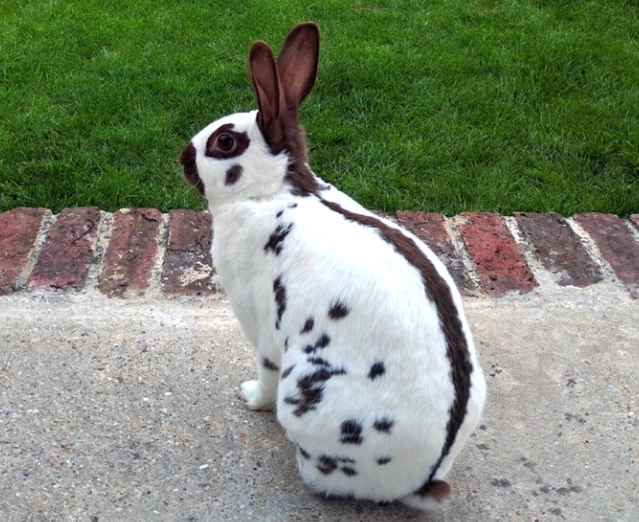
Grooming & Health: Staying Spot-On
Their short coat is low-maintenance, but they shed. A weekly brush with a slicker brush during non-shedding seasons and daily during molts is key to prevent hairballs. Their real health needs are proactive.
| Common Health Concern | What to Watch For | Prevention Tip |
|---|---|---|
| Gastrointestinal (GI) Stasis | Lethargy, small or no droppings, refusing food. | Unlimited hay, daily exercise, minimize stress. This is a veterinary emergency. |
| Overgrown Teeth | Drooling, difficulty eating, weight loss. | Constant access to hay for natural wear. Annual vet check-ups. |
| Pododermatitis (Sore Hocks) | Redness, sores, or hair loss on feet. | Provide soft, padded resting areas (fleece, grass mats), avoid wire flooring. |
Find a vet who specializes in exotics, not just cats and dogs. A standard vet might miss subtle rabbit issues.
Personality & Behavior: The Energetic Companion
This is the heart of the English Spot. They are not couch potatoes. Describing them as "friendly" is an understatement. They are inquisitive, bold, and often downright clownish.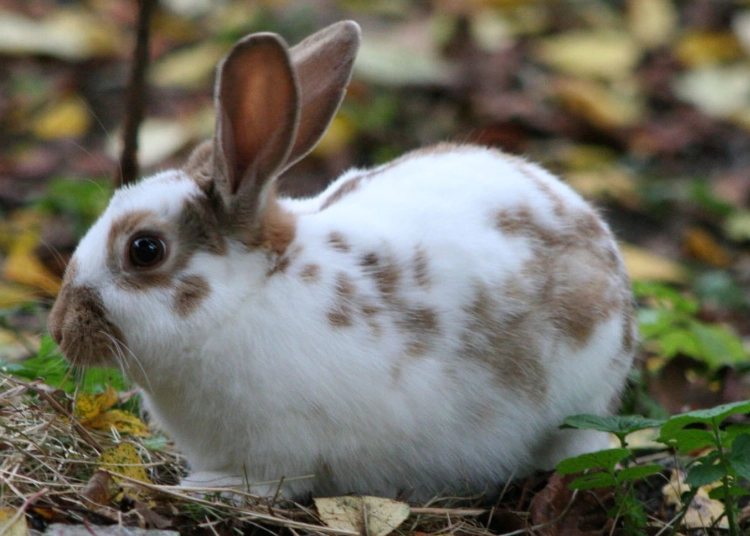
You'll know your Spot is happy when they perform binkies (joyful leaps and twists in the air) followed by frantic zoomies (racing around the room). They love to explore, nudging things with their nose, and they can be trained to use a litter box, come when called, and navigate simple agility courses. They thrive on interaction. Leaving a Spot alone in a cage all day is a recipe for a depressed, destructive rabbit.
They can be territorial, especially unspayed/unneutered rabbits. Spaying or neutering is crucial not only for population control but to mellow behavior, reduce territorial marking, and prevent reproductive cancers. A bonded pair of Spots (same-sex, after fixing) can be wonderful, keeping each other company in a whirlwind of activity.
Finding & Choosing Your English Spot
You have three main paths: breeders, rescues, and shelters.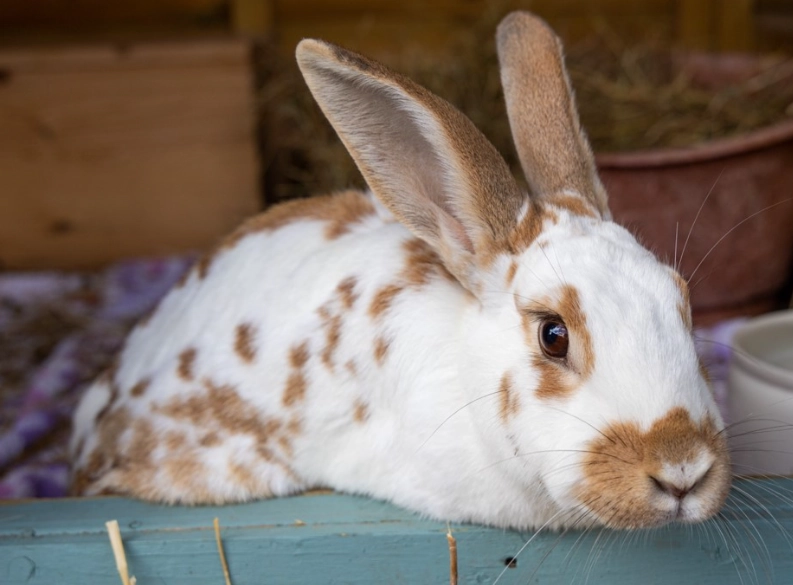
Reputable Breeders: A good breeder prioritizes health and temperament. They will welcome questions, show you the living conditions of the rabbits and the parents, and have a deep knowledge of the breed. They should provide a pedigree and health records. Expect to pay between $50 and $150. Ask them about the lineage's history with common issues like malocclusion.
Rescues & Shelters: This is where I urge people to look first. Breed-specific rabbit rescues often have English Spots or mixes. The House Rabbit Society has a network and resources. Adopting an adult rabbit has huge advantages: their personality is already evident, they're often already spayed/neutered, and you're giving a home to a pet in need. I've fostered several Spots from shelters, and their capacity for joy after a rough start is incredible.
When you meet a potential rabbit, look for clear, bright eyes, a clean nose and bottom, and a curious, alert demeanor. A healthy rabbit should be interested in its surroundings, not huddled in a corner.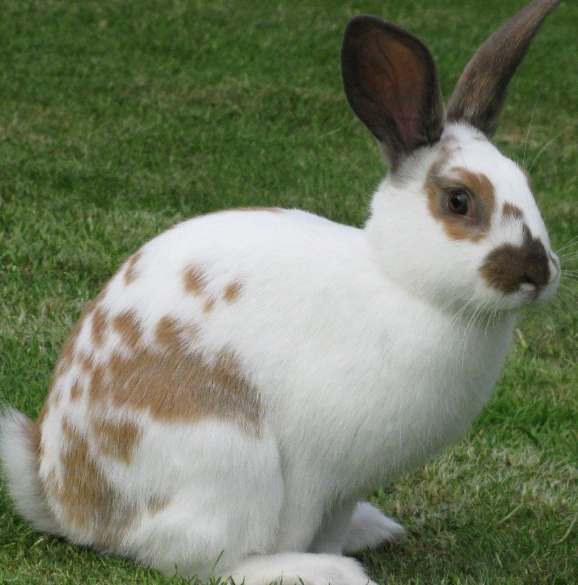
Your English Spot Questions Answered
The English Spot rabbit is a commitment to vivacity. They demand space, engagement, and understanding. In return, they offer a unique companionship filled with laughter, curiosity, and a daily dose of spotted charm. If your life has room for an athletic, talkative (in rabbit terms), and endlessly entertaining friend, the English Spot might just be your perfect match. Just be prepared for the zoomies.
Comment