You see a Chinchilla Rabbit for the first time, and it stops you. That coat. It's not just grey; it's a shimmering, layered silver that seems to catch the light in a way no other rabbit's fur does. It looks plush, dense, almost unreal. For a moment, you might think it's a stuffed animal. But then it twitches its nose, and you're hooked. This breed, named for its resemblance to the South American chinchilla, is one of the rabbit world's most striking and misunderstood treasures. I've kept them for over a decade, and while everyone fawns over the coat, the real magic is in their temperament and the specific, often overlooked care they need to thrive.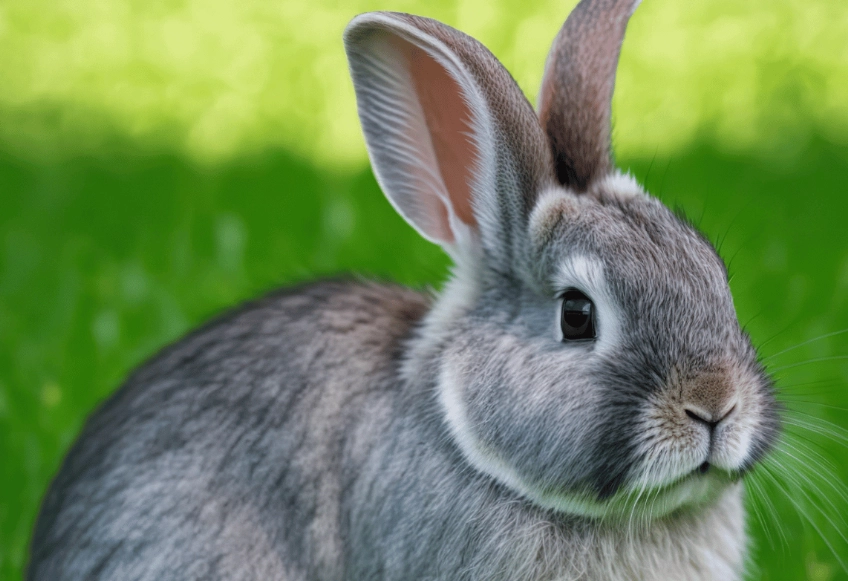
Let's get one thing straight from the start: a Chinchilla Rabbit isn't a chinchilla. It's a domestic rabbit breed developed to mimic that prized fur. And that distinction matters for everything from its diet to its health concerns. Owning one is a commitment to understanding a creature that's equal parts gentle companion and living piece of agricultural history.
Here's What We'll Cover
Chinchilla Rabbit Key Facts at a Glance
Before we dive deep, here’s the quick-reference sheet I wish I had when I got my first one, “Sterling.”
| Attribute | Details | Why It Matters |
|---|---|---|
| Average Size | Standard: 9-12 lbs / Giant: 12-16 lbs | You need a larger cage and more space than for a dwarf breed. |
| Typical Lifespan | 7-10 years | A long-term commitment, similar to a dog. |
| Primary Temperament | Calm, docile, gentle | Excellent for calm households, less suited for constant loud activity. |
| Coat Type | Very dense, rollback fur | Weekly brushing is mandatory to prevent matting and hair ingestion. |
| Best For | Experienced owners or dedicated beginners | Their size and specific grooming needs require a bit more know-how. |
Notice the lifespan. I’ve seen well-cared-for Chinchillas hit 12 years. The key is in the details we’ll unpack next.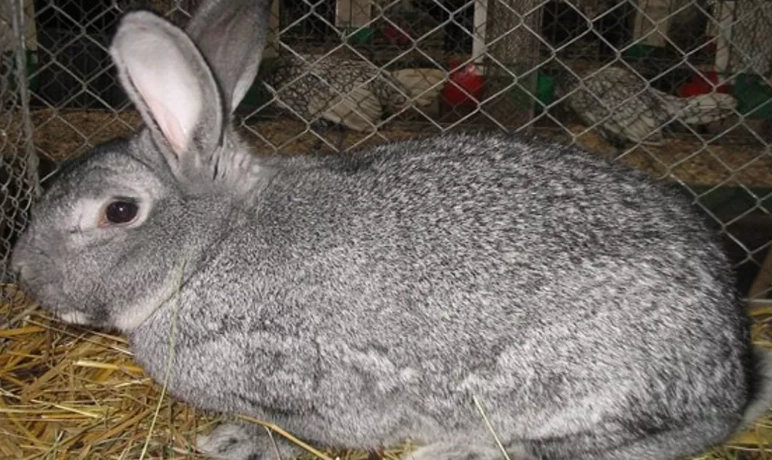
From France to Your Home: A Brief History
The Chinchilla Rabbit popped onto the scene in France in the early 1900s. Breeders weren't just aiming for a cute pet; they were in an arms race to replicate the ultra-valuable chinchilla fur. The first successful breed was the Standard Chinchilla, a mid-sized rabbit with that perfect, banded silver pelt. It was a massive commercial hit.
Later, American and British breeders developed larger versions—the American and Giant Chinchilla—for more fur and meat yield. The Giant Chinchilla, developed by a man named Edward Stahl, is particularly known for its laid-back “gentle giant” personality.
Here’s the non-consensus bit most blogs miss: this working background shapes their health. They were bred for dense fur and sturdy bodies, not necessarily for genetic diversity. This makes choosing a reputable breeder who health-tests their stock critical. I learned this the hard way with a sweet Giant who had chronic dental issues, a common problem in large breeds. Ask breeders about the lineage’s history of malocclusion and heart health.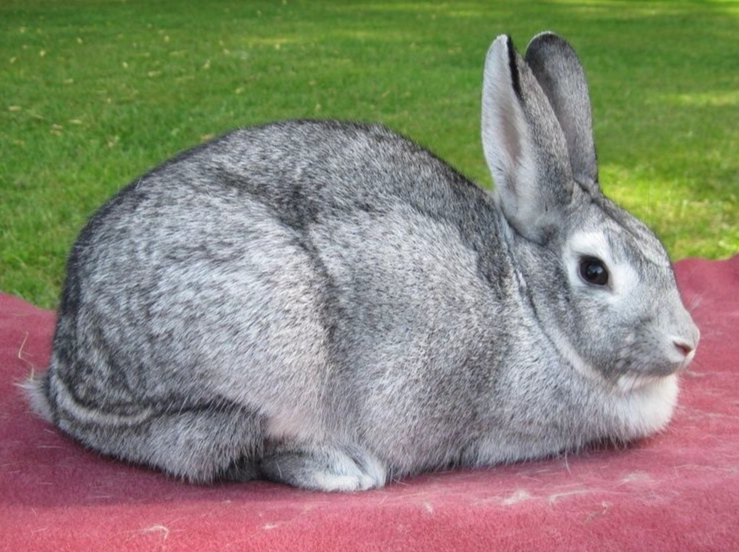
The Nitty-Gritty of Daily Care
This is where theory meets practice. Caring for a Chinchilla Rabbit isn't hard, but it's precise.
Housing: Think Big, Think Safe
Forget those tiny pet store cages. A Standard Chinchilla needs an enclosure at least 4 feet by 2 feet, and a Giant needs more. I’m a fan of large dog exercise pens (x-pens) on top of a washable mat. They allow for hopping and stretching.
The floor is crucial. Their dense fur can hide sore hocks (ulcerated foot pads). Provide a solid, padded surface for most of their space. I use interlocking foam mats covered with fleece blankets. Wire flooring, even if covered, is a no-go for this breed.
The Chinchilla Rabbit Diet: It’s Not Just Pellets
Their diet is the cornerstone of their health and that glorious coat. Here’s the breakdown:
Unlimited Grass Hay (80-90% of diet): Timothy or orchard grass. This keeps their ever-growing teeth worn down and their gut moving. Alfalfa is too rich for adults and can cause urinary issues.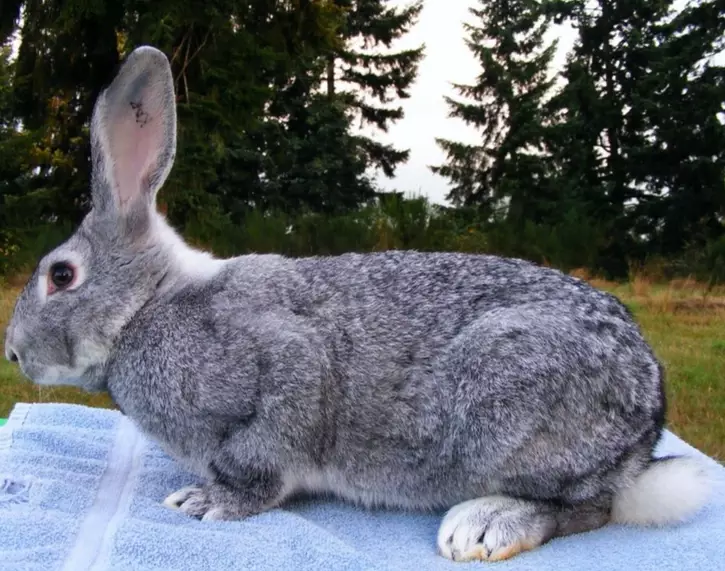
Measured Pellets: About 1/4 cup per 5 lbs of body weight daily. Choose a plain, timothy-based pellet without colorful bits or seeds. The brand Oxbow is a reliable standard cited by many exotic veterinarians.
Fresh Greens: A packed cup of dark leafy greens per 2 lbs of body weight daily. Romaine, cilantro, kale, and dandelion greens are favorites. Introduce new greens slowly to avoid gas.
Water: Always fresh, in both a heavy bowl and a bottle. Bowls are better for hydration, but bottles are a good backup.
Grooming That Dense Coat
Weekly brushing with a slicker brush is the rule. During molts (usually spring and fall), you’ll need to brush every other day. You’ll be shocked at the amount of fur that comes out.
The goal isn’t just to prevent mats, but to stop them from ingesting too much fur, which can cause a deadly gastrointestinal stasis (GI stasis). I pair brushing with a few drops of plain papaya enzyme supplement on their greens, which helps break down any ingested hair.
Bathing? Almost never. It strips essential oils from their coat and can cause shock. Spot clean with a damp cloth if needed.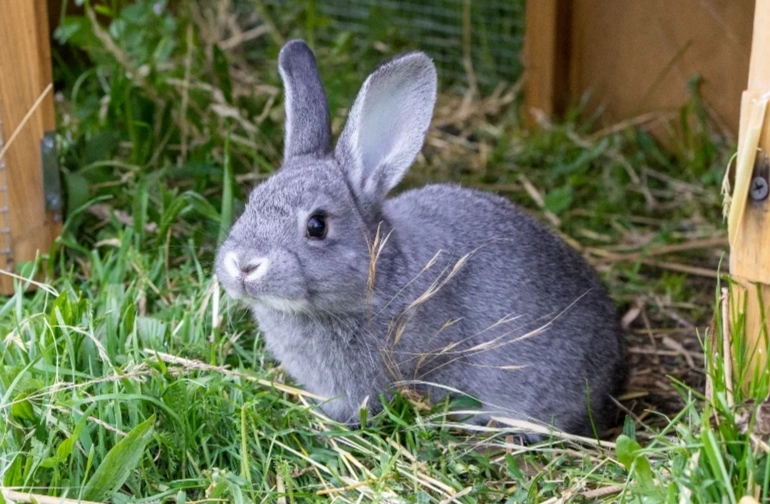
Health Watch: What to Look Out For
Being a large, fur-focused breed comes with a specific health profile. A good exotics vet is non-negotiable. Schedule annual check-ups.
Common Chinchilla Rabbit Health Issues
Gastrointestinal (GI) Stasis: The #1 killer of pet rabbits. Signs include reduced appetite, small or no fecal pellets, and lethargy. This is an emergency. Prevention is key: unlimited hay, hydration, exercise, and minimal stress.
Dental Problems (Malocclusion): Their teeth never stop growing. Misalignment causes painful spikes. Watch for drooling, dropping food, or weight loss. A vet must file the teeth down.
Urinary Issues: Their dense build can make them prone to sludge or stones, especially with a poor diet (too many pellets, alfalfa, or calcium-rich veggies like spinach). Ensure good hydration.
Sore Hocks (Pododermatitis): Caused by hard, damp, or wire floors. Look for hair loss and red sores on the bottom of the feet. Provide soft, dry bedding immediately.
I check my rabbits every week during grooming: eyes clear, nose clean, teeth alignment okay, bottom clean (to avoid flystrike), feet healthy. It takes five minutes and can catch problems early.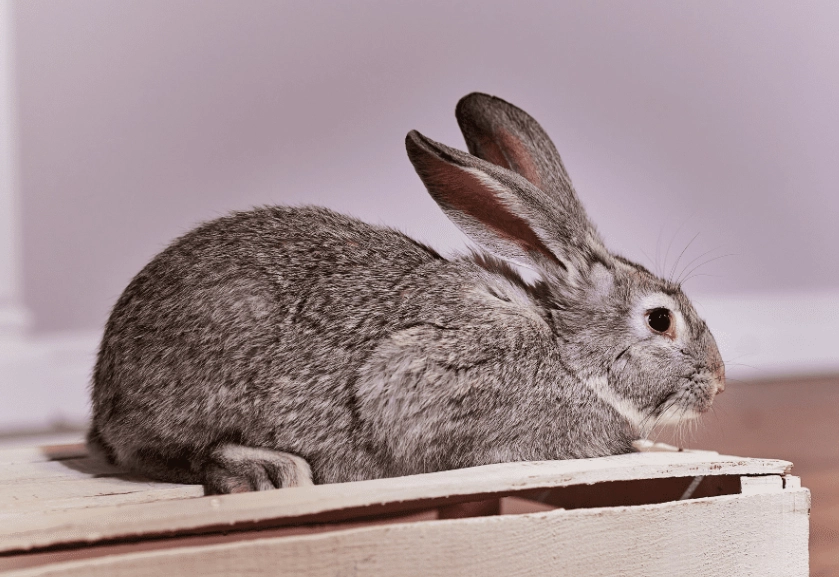
Your Top Questions Answered
Over the years, these are the questions I get asked most, often by worried or curious new owners.
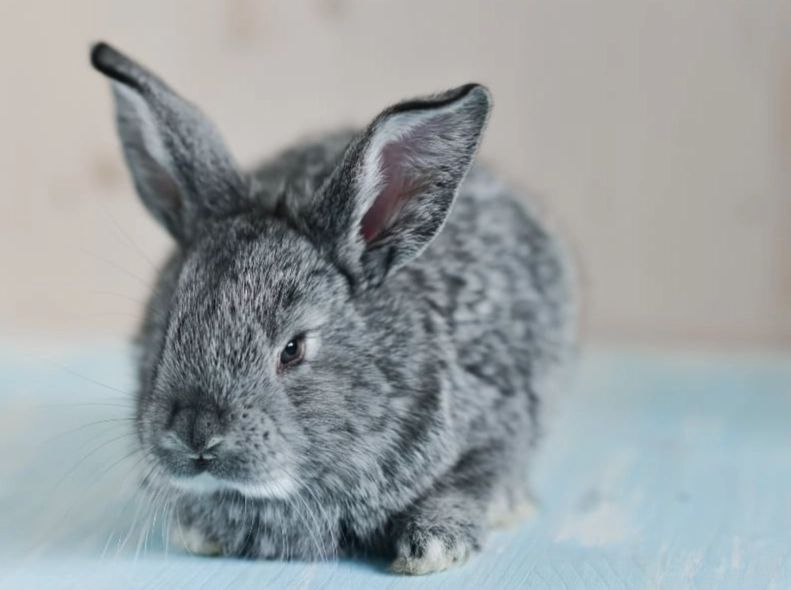 So, is a Chinchilla Rabbit right for you? If you have the space for a larger enclosure, the commitment for weekly grooming, and the desire for a calm, observant companion, then absolutely. They are not the flashy, hyperactive type. Their joy is quieter—a contented flop on your feet, the gentle nudge of a nose for a piece of cilantro, the mesmerizing shimmer of their coat in the afternoon sun. They’re a pet that rewards patience and attention to detail with years of quiet companionship. Just be ready for everyone who visits to ask, “Is that… a chinchilla?”
Comment