You're relaxing by a pond, your rabbit hopping nearby on its harness. A sudden movement, a splash – your heart jumps. Can rabbits swim? It's a question that flashes through the mind of any bunny owner near water. The short, critical answer is this: while they can paddle in an emergency, swimming is dangerous, stressful, and something you should actively prevent. Let's get into the why, the risks, and what to do if the unthinkable happens.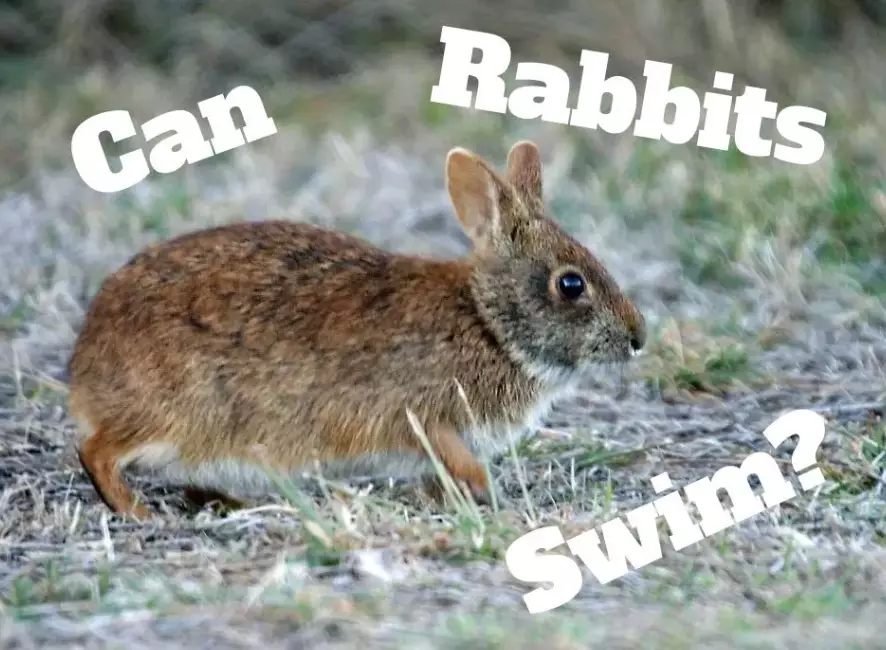
Quick Navigation
The Physical Truth: Can They Paddle?
Biologically, most rabbits possess the basic coordination to perform a frantic doggy paddle. If a rabbit accidentally falls into deep water, this instinct might kick in as a last-ditch survival move. You might find videos online showing a rabbit swimming – they exist. But here's the crucial distinction most sources miss: ability does not equal suitability.
Think of it like this: I can run a marathon without training. My body would move, but the experience would be pure agony, potentially causing injury and shock. It's the same for a rabbit in water. Their bodies are not engineered for it.
A rabbit's skeleton is lightweight but fragile. Their powerful hind legs are built for explosive bursts on land, not for the sustained, resistive effort of swimming. The motion is entirely unnatural and exhausting for them.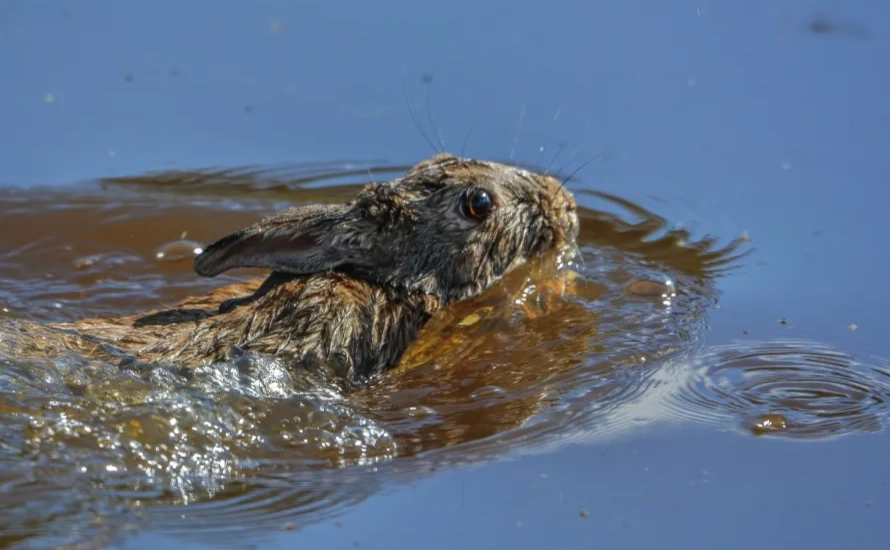
Key Takeaway: Yes, a rabbit can move through water to avoid immediate drowning. No, this does not mean they are "swimmers" in any recreational or safe sense. It's a panic response.
Why Water is a Rabbit's Hidden Enemy
This is where the real dangers lie, far beyond just getting wet. Many owners underestimate these risks until it's too late.
The Hypothermia Trap
Rabbits have a high normal body temperature, between 101°F and 103°F. They are masters of regulating it on land, but water strips that ability away instantly. Their fur, designed for insulation, becomes a heavy, soaked blanket that drains heat at an alarming rate.
Hypothermia can set in within minutes, even in what we consider mild weather. A chilled rabbit goes into shock. Their systems slow down, leading to a dangerous drop in heart rate and blood flow. Organ failure is a real risk. Drying them isn't just about comfort; it's a race against a life-threatening drop in core temperature.
Stress: The Silent Killer
Rabbits are prey animals. Their entire physiology is wired to interpret extreme situations as life-or-death threats. Being submerged in water triggers a massive, overwhelming stress response. The surge of stress hormones (corticosteroids) can suppress their immune system, cause gastrointestinal stasis (a deadly shutdown of the gut), and lead to heart failure.
I've spoken to vets who've seen rabbits die from the sheer stress of a bath hours after the event, with no water left in their lungs. The psychological trauma is that profound.
The Drowning Risk Everyone Forgets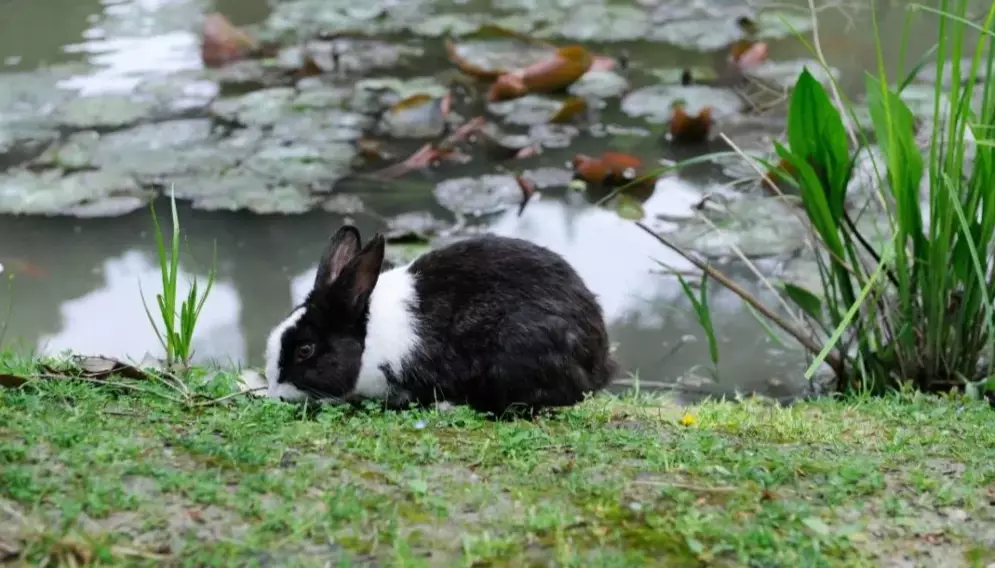
It's not just about deep water. A common, tragic scenario involves garden ponds or pools with steep sides. A rabbit can paddle to the edge but finds no purchase to haul itself out. Exhausted, cold, and panicking, it drowns within sight of safety. Smooth liners or tall pool edges are death traps.
Expert Insight: One subtle mistake is assuming a "quick dip" is harmless. Even if you dry the outer fur, moisture trapped against the skin, especially in dense undercoat areas like the chest, continues to chill the rabbit and can lead to skin infections like dermatitis. Complete drying is non-negotiable.
Emergency Scenario: Your Rabbit is in Water
Let's walk through a specific, terrifying moment: your bunny slips and falls into a pool, pond, or even a deep bucket.
First 10 Seconds: Don't scream. Move calmly but quickly. Your panic will heighten theirs. Scoop them out. If they're paddling frantically, approach from the side to give them something to climb onto (your arm).
Next 30 Seconds: Get inside. Wrap them immediately in a dry, absorbent towel – have a couple ready. Don't rub vigorously at first; blot and press to soak up the bulk of the water. Support their body fully; they may be in shock and limp.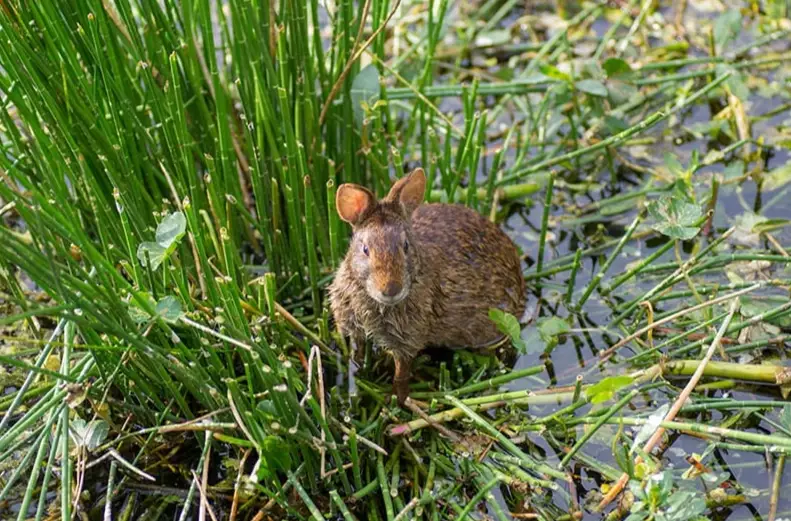
The Critical Drying Phase:
- Towels: Use multiple dry towels, switching as they become damp.
- Hairdryer: This is essential. Use the lowest heat and speed setting. Hold it at least 12 inches away, constantly moving it. Test the air on your inner wrist – it should feel barely warm. The goal is airflow, not heat. Direct, hot air will burn their sensitive skin.
- Check Everywhere: Part the fur down to the skin. Check the armpits, groin, under the chin. These areas stay damp longest. The fur must be completely dry, fluffable, and back to its normal texture.
Aftercare: Place them in a warm, quiet, draft-free carrier or enclosed space with dry bedding. Offer a favorite treat and fresh water. Call your veterinarian immediately, even if they seem okay. Explain what happened. They may advise monitoring for signs of shock (lethargy, pale gums, shallow breathing) or recommend a check-up to listen for signs of aspiration pneumonia, which can develop if they inhaled water.
Safe Water Play & Alternatives
So, does this mean rabbits and water are forever enemies? Not exactly. You can provide positive, safe experiences that respect their nature.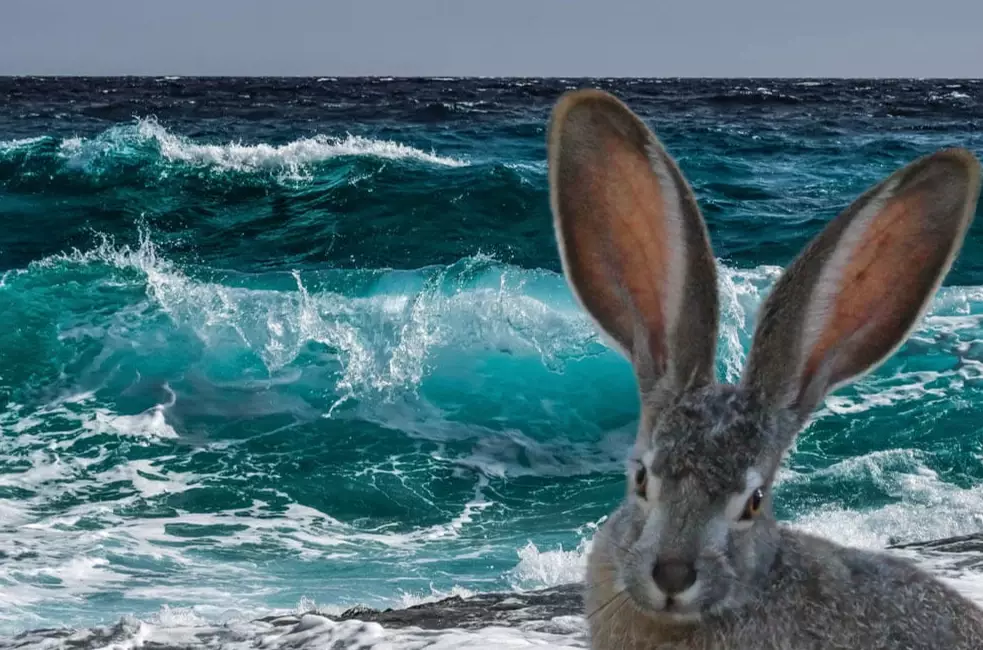
The "Paw Dip" Test: On a warm day, place a shallow ceramic tile or plastic tray with less than an inch of cool water on the floor. Let your rabbit discover it. Some will ignore it. Others might step in, get surprised, and hop out. A rare few might play with the surface with their paws. Let them lead. Never force them into it.
Focus on Hydration & Enrichment: Rabbits love water – to drink. A heavy ceramic bowl of fresh, cool water is often more appealing than a bottle. For cooling down in heat, provide ceramic tiles chilled in the fridge, frozen water bottles wrapped in towels to lean against, or a light misting of water in the air near them (never directly on them).
Outdoor Safety is Key: If your rabbit has supervised garden time, cover or fence off any water feature. Ponds, fountains, buckets, even deep bird baths are hazards. Ensure they cannot access pool areas. Supervision is not glancing out the window; it's being present and attentive.
Your Questions, Answered
 The bottom line is simple. While the answer to "can rabbits swim" is technically yes, the responsible owner's answer is: they shouldn't have to. Our job is to manage their environment to prevent these high-risk situations. Understand the profound dangers of waterlogged fur and extreme stress. Equip yourself with the knowledge for an emergency, but focus your energy on creating a safe, dry, and enriching world for your hopping friend. That's how you show real care.
Comment