Let's cut to the chase. Can rabbits have grapes? The short answer is a very cautious yes, but barely. Think of a grape not as a snack, but as a rare, tiny, celebratory confetti piece in your rabbit's world of hay and greens. Most rabbit owners ask this question with a mix of hope and fear—hoping to share a treat, fearing they'll harm their furry friend. I've been there. After years of keeping rabbits and consulting with exotic vets, I've learned the grape question is a perfect gateway into understanding the delicate balance of a rabbit's digestive system.
What’s Inside This Guide
The Short Answer: Can Rabbits Eat Grapes Safely?
A single, seedless grape, cut into quarters, offered once in a blue moon to a healthy, adult rabbit over 6 pounds is generally considered safe by many exotic veterinarians. That's the textbook, best-case-scenario answer. But here's the reality I see: most people don't stop at one quarter. They give a whole grape. Then another next week. That's where trouble starts.
Rabbits are hindgut fermenters. Their entire health hinges on a constantly moving, high-fiber, low-sugar digestive tract. The House Rabbit Society, a leading authority on rabbit care, categorizes fruits as treats to be given sparingly due to high sugar content. Grapes fit squarely in that "sparingly" category—at the far end of the spectrum.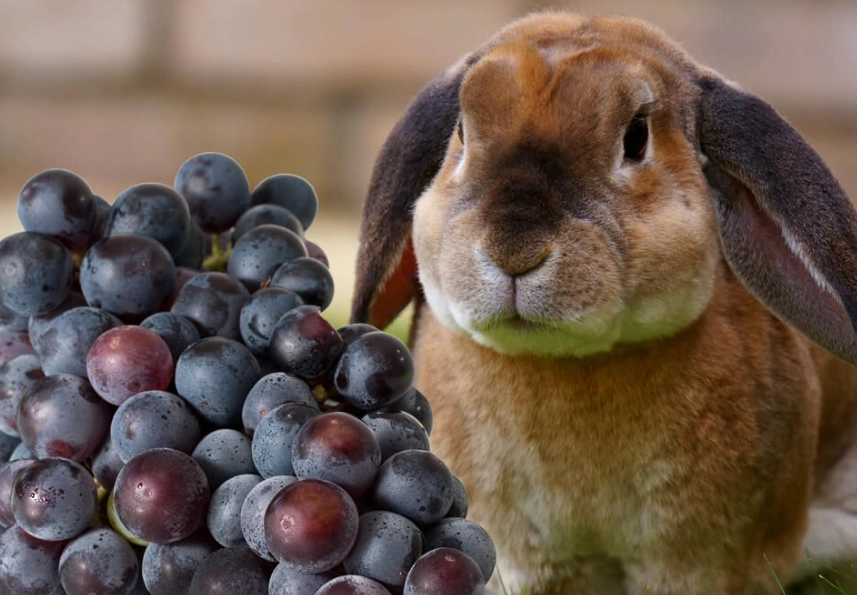
Why Grapes Are a Risky Treat for Rabbits
It's not just about sugar. It's about what that sugar does inside a system built for grass.
1. Sugar Overload and GI Stasis
A rabbit's cecum is full of sensitive bacteria that break down fiber. Dump a load of simple sugar like fructose from a grape into that environment, and you disrupt the microbial balance. Bad bacteria can proliferate, causing gas, pain, and a slowdown or complete halt of gut motility. This is GI stasis. It's an emergency. The first sign is often your rabbit stopping eating its hay—their most critical food.
2. Potential for Kidney Issues
While the specific renal toxin affecting dogs isn't confirmed in rabbits, some vets caution about the oxalate content in grapes. In a sensitive individual or with frequent feeding, this could potentially stress the kidneys. It's a debated point, but why risk it when there are better treats?
3. The Choking and Impaction Hazard
A whole grape is a perfect size to get lodged in a rabbit's throat or, more insidiously, in their cheek pouches. Rabbits can stash food there. A piece of grape skin might get stuck, leading to infection. Always, always cut grapes into tiny pieces.
But why is something so natural potentially bad? Because domestic rabbits are far removed from wild ones. Their diet is less varied, their systems more sensitive. A wild rabbit might nibble a fallen grape once a season. Your house rabbit lives a life of plenty. Their treats need extreme moderation.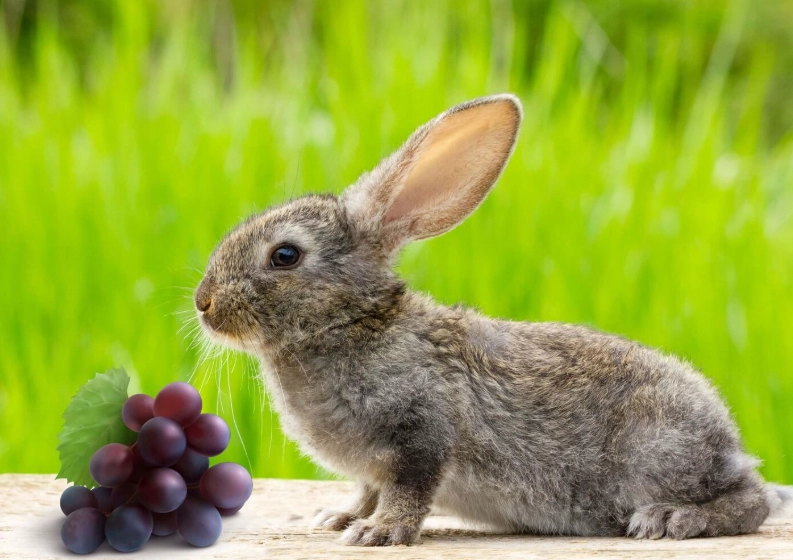
How to Safely Offer Grapes to Your Rabbit (If You Must)
If you've read the risks and still want to offer a minuscule taste, here's the protocol. Treat this like a laboratory procedure, not a casual snack.
- Choose Organic. Minimize pesticide exposure. Wash the grape thoroughly under running water.
- Cut It Up. For a standard-sized rabbit, take one small seedless grape and cut it into at least four pieces, if not eight. For a dwarf breed, one of those pieces is the entire serving.
- Remove ALL Seeds. If you only have grapes with seeds, don't use them. Grape seeds are a choking hazard and their compounds are not well-studied for rabbits.
- Offer a Single Piece. Literally, one of those tiny quarters. Place it alongside their regular greens.
- Observe. Watch for the next 12-24 hours. Are they eating their hay normally? Are their poops normal in size, shape, and quantity? Any soft stools?
- Wait a Month. This is not a weekly treat. Mark it on your calendar. The next grape taste shouldn't happen for at least 3-4 weeks.
| Rabbit Size | Maximum Grape Serving | Maximum Frequency |
|---|---|---|
| Dwarf (under 4 lbs) | 1/4 of a small grape | Once a month (or less) |
| Small (4-6 lbs) | 1/2 of a small grape | Once a month |
| Standard (6+ lbs) | 1 small grape (cut up) | Once or twice a month |
See how small those portions are? That's the point. It's a flavor, not a food.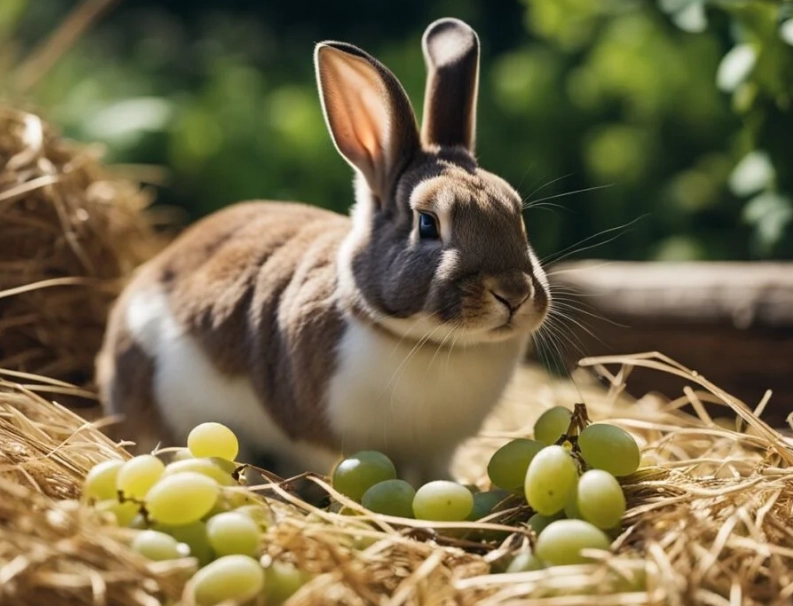
What Happens If My Rabbit Eats Too Many Grapes?
Let's walk through a common scenario. You turn your back, and your clever bunny manages to snag a whole bunch of grapes off the coffee table. Panic sets in. What now?
First, don't waste time on guilt. Act.
Step 1: Assess the quantity. How many are missing? One or two grapes for a large rabbit is a concern. Five or six is a veterinary emergency, especially for a small rabbit.
Step 2: Remove all remaining grapes and any other sugary foods. Offer unlimited fresh hay and water. The hay is critical to get their gut moving normally again.
Step 3: Monitor closely for the next 6-12 hours. You're looking for the red flags of GI stasis:
- Reduced or no appetite for hay (the most important sign).
- Smaller, misshapen, or fewer fecal pellets.
- Lethargy, hunched posture, or teeth grinding (a sign of pain).
- Bloating or a hard stomach.
Step 4: Call your vet. If you have a small rabbit or a large amount was ingested, call your exotic vet immediately. Don't wait for symptoms. They may advise you to come in for monitoring or supportive care. If symptoms appear, it's an immediate trip to the clinic. GI stasis can kill within 24 hours.
The bottom line? Grapes are a sugar bomb with hidden risks.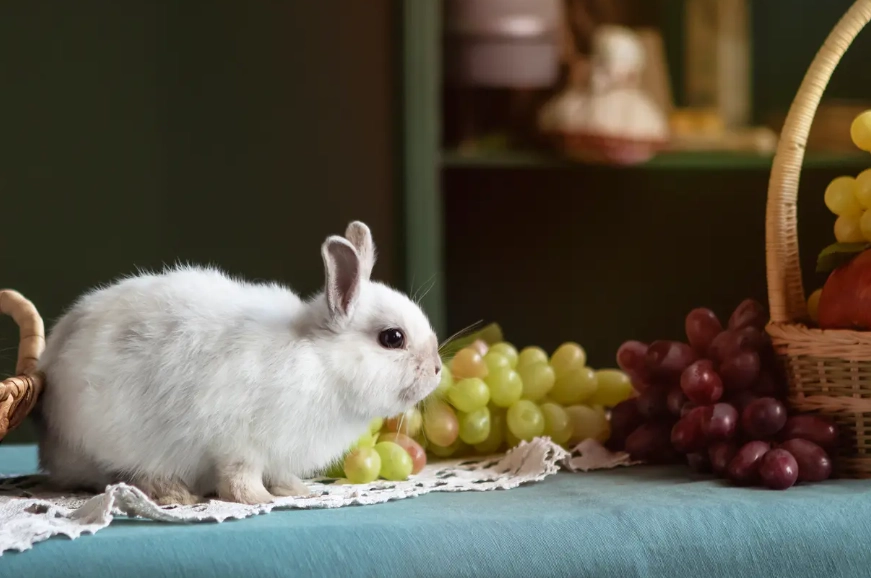
Healthier and Safer Fruit Alternatives for Rabbits
If you want to give your rabbit a sweet treat, choose fruits lower in sugar and higher in fiber. The serving size is still tiny—about one to two teaspoons per 2 lbs of body weight, once or twice a week.
Blueberries are a superstar. They're lower in sugar than grapes and packed with antioxidants. One or two blueberries is a perfect treat.
A thin slice of apple (with seeds and core removed—apple seeds contain cyanide) is often a hit. The crunch is satisfying.
A single raspberry or blackberry provides fiber and flavor.
A small piece of strawberry (with the green top removed) is a summer favorite.
Even banana is an option, but it's so high in sugar that a piece the size of your thumbnail once a week is the absolute max. I've seen more cases of GI upset from overfeeding banana than from grapes.
The golden rule? The treat should be 95% hay, 4% fresh leafy greens (like romaine, cilantro, kale), and maybe 1% everything else, including fruits and non-leafy veggies like carrots.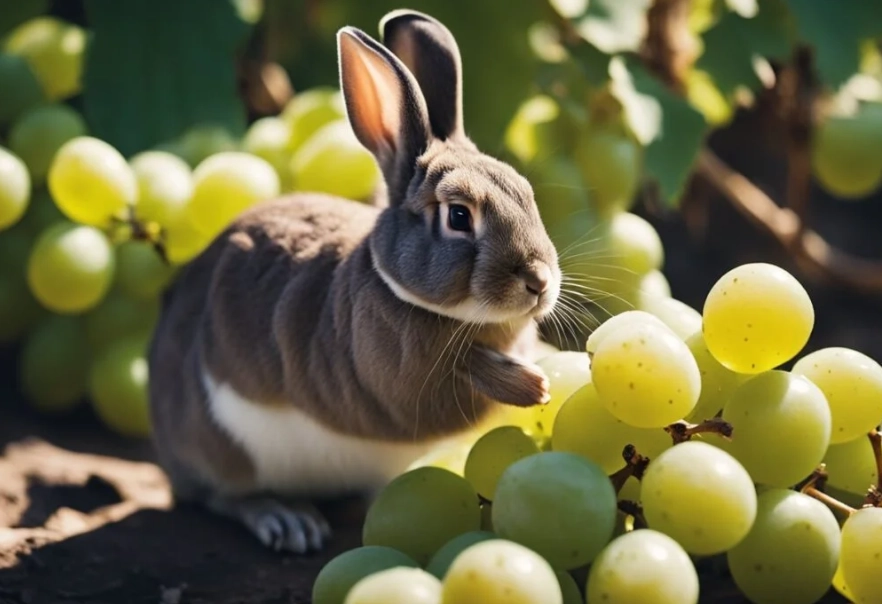
Your Rabbit Diet Questions Answered (FAQ)
Never feed: Avocado (highly toxic), onions, garlic, leeks, chives, chocolate, candy, yogurt drops, cereals, bread, pasta, nuts, seeds, potatoes, rhubarb.
Extreme caution: Grapes, raisins (even worse—concentrated sugar), cherries (pit and stem are toxic), peaches, plums, mango (all very high in sugar, pits toxic). The pit isn't just a choking hazard; many contain cyanogenic glycosides which can release cyanide.
 In my years of talking with rabbit owners, the most common mistake I see is the desire to treat our pets like tiny humans. We share our snacks out of love. But a rabbit's biology is fundamentally different. Their greatest treat isn't a grape; it's a fresh pile of fragrant hay, a new cardboard box to destroy, or a quiet head scratch. Focus on those. If you must share a fruity taste, reach for a blueberry instead. Your rabbit's delicate digestive system will thank you with years of healthy poops and happy binkies.
Comment