I remember the first time I held a bunch of fresh spinach, wondering if I could share a leaf with my rabbit, Thumper. The internet gave me a dozen conflicting answers. After ten years of rabbit ownership, countless conversations with my exotic vet, and more than a few dietary missteps, I've learned the truth about spinach for rabbits isn't a simple yes or no. It's a conditional yes. Rabbits can eat spinach, but how you feed it makes all the difference between a healthy treat and a potential problem. Let's cut through the confusion.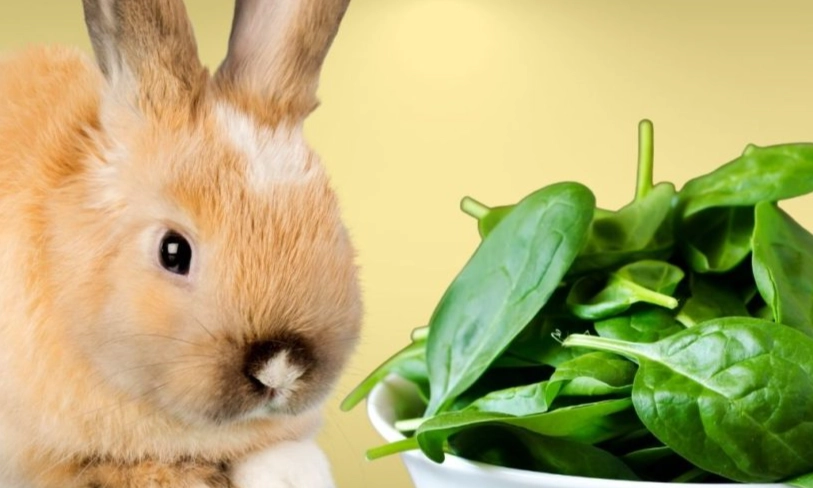
Your Quick Guide to Spinach & Rabbits
The Great Spinach Debate: Why It's Controversial
Ask five rabbit owners about spinach, and you might get five different opinions. Some swear by it, others avoid it like the plague. The controversy stems from two natural compounds in spinach: oxalates and calcium.
Oxalates can bind to calcium in the rabbit's digestive system. In large, frequent amounts, this can contribute to the formation of tiny, gritty crystals in the bladder—often called bladder sludge. It's uncomfortable for the bunny and a vet bill you don't want. Spinach is also relatively high in calcium compared to other leafy greens. While rabbits need calcium, their bodies regulate it differently from ours; excess calcium is excreted through urine, and too much can stress the kidneys over time.
Here's the nuance most beginner guides miss: The risk isn't from an occasional leaf. It's from routine, large-scale feeding. Think of it like dark chocolate for humans—a small square is fine, but a whole bar every day causes issues.
Key Takeaway: Spinach isn't poisonous. It's a moderation food because of its oxalate and calcium content. The goal is to enjoy its benefits without letting the risky compounds build up.
Spinach Benefits vs. Hidden Risks: A Balanced Look
Let's break down what spinach offers and what it demands in caution.
What's Good About Spinach for Bunnies?
When fed correctly, spinach is a nutrient powerhouse. It's loaded with:
- Vitamin A: Crucial for good vision, a healthy immune system, and skin integrity.
- Vitamin K: Essential for proper blood clotting and bone metabolism.
- Iron: Important for healthy blood cells.
- Fiber: While not as fibrous as hay, it contributes to overall gut motility.
- Antioxidants: Helps combat cellular damage.
For a rabbit recovering from illness or needing a dietary boost, a little spinach can be a useful tool in your arsenal.
The Real Risks (Beyond the Basics)
Everyone mentions oxalates, but few explain the contextual risks. A rabbit's individual health status dramatically changes the risk profile.
Watch Out If Your Rabbit Has: A history of bladder issues (sludge or stones), kidney concerns, or arthritis. In these cases, I'd skip spinach altogether and opt for lower-oxalate greens. The potential for aggravating these conditions isn't worth it. My vet once told me, "For a rabbit with a sensitive bladder, spinach is like adding sand to the engine." That visual stuck with me.
Another subtle risk is digestive preference. Some rabbits love the taste of spinach so much they might start picking it over their hay. Hay is non-negotiable—it's 80-90% of their diet and keeps their teeth and gut healthy. A spinach treat should never compromise hay consumption.
How to Feed Spinach Safely: The Exact Protocol
This is where most people get it wrong. They either give too much or feed it too often. Follow this step-by-step guide.
Step 1: Determine the Safe Serving Size
Portion control is everything. A general rule from resources like the House Rabbit Society is that leafy greens (combined) should be about 1 cup of packed greens per 2 lbs of body weight daily. Spinach should only be a part of that cup.
- For a 5 lb rabbit: A safe serving of spinach is 1-2 large leaves, or a small handful (about 1/4 cup), max.
- Always mix it with 2-3 other types of low-oxalate greens (like romaine lettuce, cilantro, or arugula). This "dilutes" the spinach's impact.
Step 2: Set the Right Feeding Frequency
This is the critical mistake I see. Spinach is not a daily green.
- Optimal Frequency: 1 to 2 times per week.
- Never feed it two days in a row. Give your rabbit's system a break to process and clear any oxalates.
Step 3: Preparation is Key
Never feed cooked or canned spinach. Always serve it raw, fresh, and thoroughly washed to remove any pesticides. Organic is a great choice if possible. Tear the leaves into bunny-sized pieces to prevent choking.
| Rabbit Weight | Max Spinach per Serving | Recommended Frequency | Best Served With |
|---|---|---|---|
| 2-3 lbs (Dwarf) | 1 large leaf or 1-2 tbsp | Once a week | Romaine, Cilantro |
| 4-6 lbs (Standard) | 1-2 large leaves or 1/4 cup | 1-2 times a week | Green Leaf Lettuce, Basil |
| 7+ lbs (Giant) | 2-3 large leaves or 1/3 cup | 1-2 times a week | Dandelion Greens, Mint |
Beyond Spinach: Safer Greens & How They Compare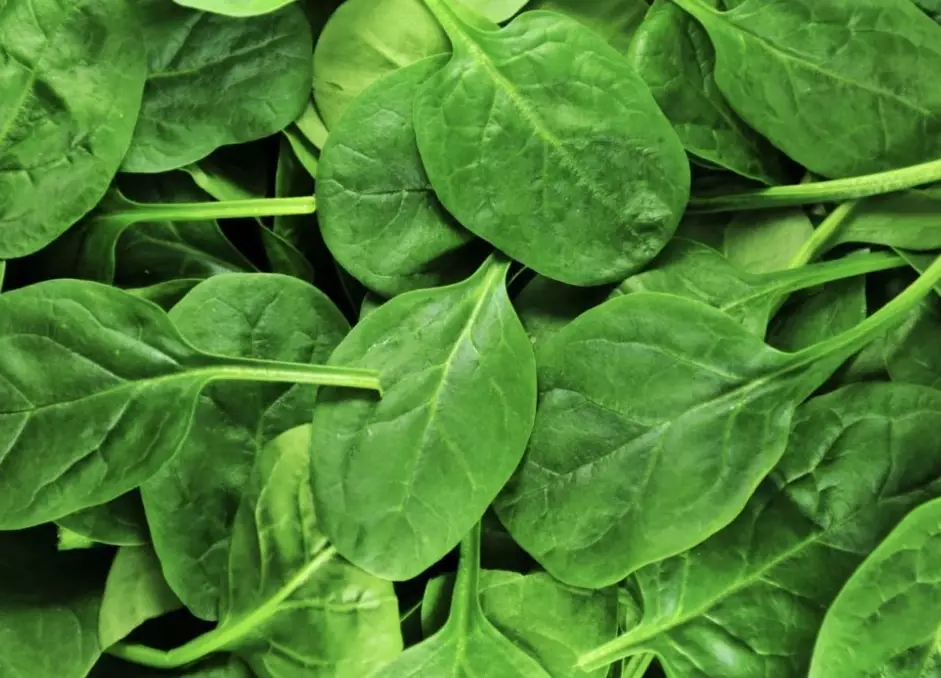
Your rabbit's diet should be a rotating buffet of greens. Relying on one type, even a safe one, is a missed opportunity for nutritional variety and can create picky eaters. Here’s how spinach stacks up against other common options.
The Daily Staples (Feed Liberally): These are your go-to, low-oxalate, low-calcium workhorses. Romaine lettuce, green leaf lettuce, red leaf lettuce, cilantro, dill, and mint. You can feed a mix of these every single day.
The "Sometimes" Greens (Feed 2-4 times a week): This group includes spinach, kale, Swiss chard, and bok choy. They have higher levels of oxalates or calcium, so they're for variety, not foundation.
What about baby spinach vs. mature spinach? This is a common question. Nutritionally, they are very similar. Baby spinach might be slightly more tender and easier to eat, but the oxalate content is comparable. Don't assume baby spinach is a "safer" choice—the same portion rules apply.
My personal strategy? I have a "green schedule." Mondays and Thursdays are romaine and cilantro days. Maybe on Wednesday, I'll add a single kale leaf to the mix. On Saturday, as a weekend treat, Thumper might get a spinach leaf alongside his regular greens. This rotation keeps things interesting and safe.
Your Spinach Questions, Answered
How often can I give my rabbit spinach?
Can baby rabbits (kits) eat spinach?
Does the type of spinach matter? (Flat-leaf vs. Savoy)
My rabbit is underweight. Can spinach help them gain weight?
 So, can rabbits eat spinach? They can. But the real question is, should you feed it, and how? With the guidelines above—treating it as an occasional part of a diverse diet, respecting portion sizes, and being mindful of your individual rabbit's health—you can safely let your bunny enjoy this leafy green. The cornerstone of their health will always be unlimited grass hay, fresh water, and your attentive care. Everything else, even nutritious spinach, is just a supporting actor in the story of a healthy, happy rabbit.
Comment